
Lieferung heute & morgen

Qualitätsgarantie

Willkommens-Angebote freischalten: KOSTENLOSE Lieferung | Bis zu 80 % RABATT | Kostenlose 30-Tage-JoyPlus-Testphase
App herunterladen
The search for the right coffee machine can quickly become overwhelming. The market is flooded with hundreds of models, all touting impressive features and marketing promises. But not every advertised feature actually leads to better coffee. Often, it's hidden flaws or exaggerated performance claims that lead to disappointment after the purchase.
As your Joybuy Product Recommendation Officer, I'm here to help you identify these pitfalls. In this guide, we'll focus on the objective criteria that truly matter, so you can make an informed decision and find a machine that perfectly suits your needs.
Before we dive into the important parameters, let's uncover the most common marketing traps that often lead to a bad purchase.
To find the right coffee machine, you should focus on a few, but crucial, technical features. These are the key factors that determine coffee quality, ease of use, and the machine's longevity.
Choosing the right type is the first and most important step. Each type serves different needs:
For a coffee machine for beans and powder, the quality of the grinder is crucial. Conical or flat burr grinders made of ceramic or stainless steel are the common options. Ceramic grinders are considered particularly durable and heat-resistant. A removable brew group is an essential feature for easy and thorough cleaning, which ensures the machine's longevity and coffee quality.
For lovers of cappuccino or latte macchiato, the milk system is a key consideration. There are two main types:
Instead of making a blanket recommendation, we have selected models that address specific user profiles and their needs.
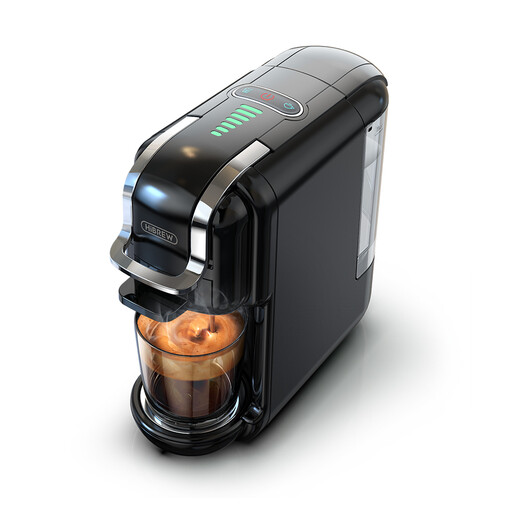
Why it's a great fit: Ideal for users who don't want to be tied to a single capsule system. This machine offers maximum flexibility for those who love to experiment and for households with different preferences.
It bypasses the trap of hidden running costs and system lock-in by being compatible with Nespresso, Dolce Gusto, ESE pods, and ground coffee.
High versatility with its 5-in-1 brewing system. It also offers a cold brew function for iced coffee, which is rare in this price range.
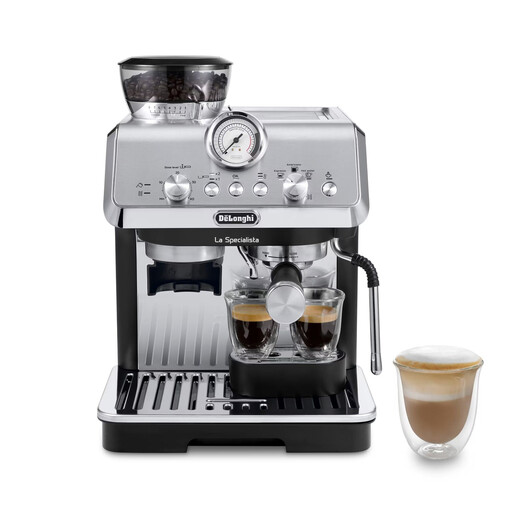
Why it's a great fit: Perfect for coffee lovers who want to take control of the brewing process and prepare barista-quality espresso. The all-in-one package makes it easy to get started.
Debunks the pressure myth by giving the user control over the ideal brewing pressure via the pressure gauge and adjustable parameters (8 grind settings, 3 temperatures).
An integrated grinder and a comprehensive barista kit (tamper, tamping mat, milk pitcher) are included. This creates a cohesive, complete package.
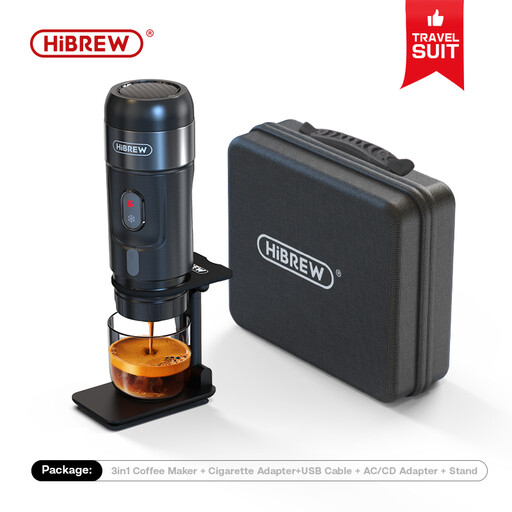
Why it's a great fit: The solution for anyone who doesn't want to miss out on a freshly brewed espresso while on the go. Ideal for commuters, campers, or as a compact machine for the office.
It solves a specific problem rather than being a compromise. Instead of buying a large machine and being frustrated by its lack of portability, this device offers a dedicated mobile solution.
Can be operated via a DC 12V car adapter to heat water and brew coffee. Compatible with Nespresso and Dolce Gusto capsules as well as ground coffee.
We have compiled a complete, up-to-date list of products that meet these strict selection criteria and German safety standards.
1. How often does a coffee machine need to be descaled? The frequency depends on the water hardness in your area and how often you use it. As a rule of thumb: with daily use and medium water hardness, about every two to three months. Many modern machines, especially fully automatic ones, have a built-in reminder function that indicates when descaling is necessary.
2. Is a fully automatic coffee machine worth it for one person? That depends on your personal priorities. If you drink several cups of coffee daily and value freshly ground beans and maximum convenience, a fully automatic machine can be worthwhile. The price per cup is often lower than with capsule systems. For occasional coffee drinkers, however, a more flexible and affordable solution like a multi-capsule machine or a classic drip coffee maker might be the more practical choice.
3. What is the difference between a portafilter machine and an espresso machine? A portafilter machine is a specific type of espresso machine. The term "espresso machine" is an umbrella term that includes both portafilter machines and fully automatic machines, as both can prepare espresso. The main difference lies in the degree of automation: with a portafilter machine, grinding, dosing, and tamping (compressing the coffee grounds) are done manually, which offers more control but also requires more effort. A fully automatic machine performs all these steps automatically at the touch of a button.