
Lieferung heute & morgen

Qualitätsgarantie

Willkommens-Angebote freischalten: KOSTENLOSE Lieferung | Bis zu 80 % RABATT | Kostenlose 30-Tage-JoyPlus-Testphase
App herunterladen
Purchasing a charging station for your electric car is a crucial step to fully enjoying the convenience of e-mobility. However, the market for charging solutions is confusing and filled with technical details. Many buyers invest in a home wallbox that doesn't suit their needs, their vehicle, or their local setup. Before you make a decision, it's essential to understand the most common pitfalls to avoid a bad investment.
As your Joybuy Product Recommendation Officer, I'm here to help you separate the facts from the marketing promises. In this guide, we'll focus on the objective criteria that truly matter.
Choosing the right charging station involves more than just charging power. Certain oversights can lead to unexpected costs, administrative hassle, or an inadequate charging experience.
To find the right charging station, you should focus on three core technical areas. These determine the compatibility, speed, and safety of your charging process.
The charging power, measured in kilowatts (kW), indicates how quickly your vehicle's battery will charge.
The type of charging station determines how and where you can charge your vehicle.
Modern charging stations offer more than just power.
Based on these criteria, we have identified several products that represent a suitable solution for specific user groups.
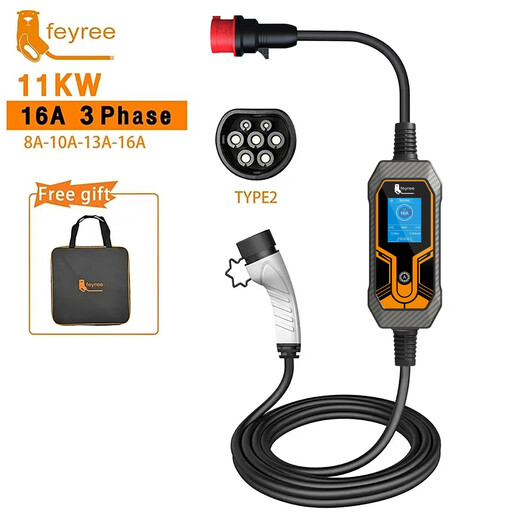
Why This Fits Their Persona: Ideal for renters or EV owners who don't want or need a permanent installation. This portable charger can be easily taken on the go and operated from any CEE 16A industrial socket, which are often found in workshops, on campsites, or in modern garages.
It bypasses the pitfall of high installation costs. No complex assembly by an electrician is required, as long as a suitable CEE socket is available.
Delivers a powerful 11 kW charging speed for a portable solution. The LCD display shows all relevant charging data in real-time.
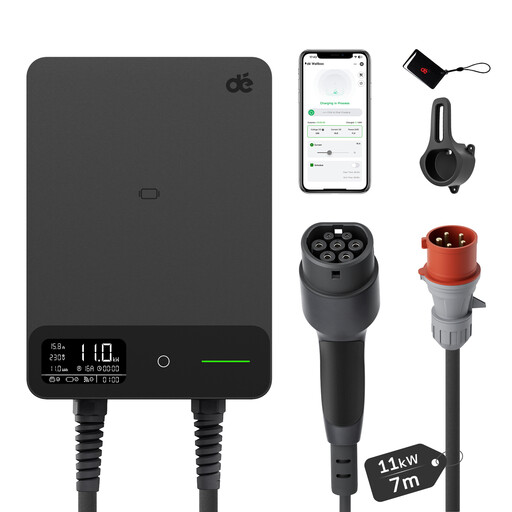
Why This Fits Their Persona: Perfect for homeowners seeking a permanent, intelligent, and cost-effective charging solution. The app control allows them to schedule charging sessions for off-peak hours with cheaper electricity rates and to monitor consumption accurately.
Avoids the 22 kW approval trap. At 11 kW, it only requires notification and still provides a charging speed that is more than sufficient for daily use.
Combines app control, RFID access management, and an integrated Type B RCD. The 7.5m cable offers great flexibility in the garage or parking space.
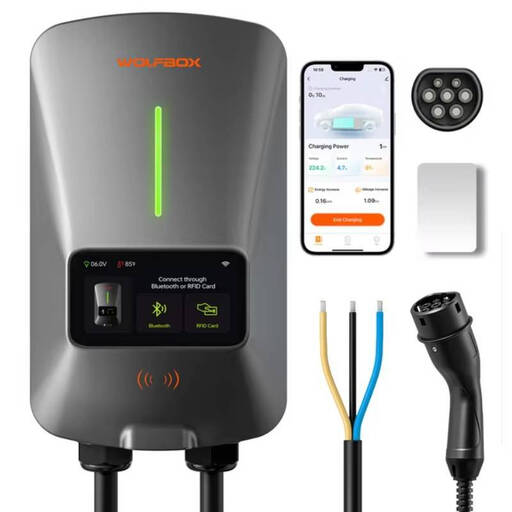
Why This Fits Their Persona: Designed for users in multi-family buildings or with publicly accessible parking spaces, where controlling access is crucial. The LCD display also provides immediate, clear feedback on the charging status without needing to open an app.
Solves the problem of unauthorised use with a reliable RFID card function. Each charging session must be actively authorised, ensuring cost control.
The combination of an app, RFID, and an LCD screen offers maximum control options. Comprehensive integrated protection mechanisms ensure safe operation.
We've curated a complete, up-to-date list of products that fully meet these strict selection criteria and German safety regulations.
1. Do I have to register an 11 kW wallbox in Germany? Yes, any charging device for electric vehicles with a power rating up to and including 11 kW must be registered with the responsible grid operator. The registration is usually a simple, informal process that the installing electrician often handles for you. It serves as a notification for the grid operator to help them monitor the load on the power grid.
2. What is the difference between an RCD Type A and Type B? A Residual Current Device (RCD) is an essential safety mechanism. An RCD Type A only detects sinusoidal AC fault currents. However, when charging electric cars, smooth DC fault currents can also occur, which a Type A switch cannot reliably detect. An RCD Type B (or a special DC sensor) is sensitive to all current types and detects both AC and DC fault currents, ensuring protection when charging an EV. Many modern wallboxes already have this protection integrated.
3. Can I install a wallbox myself? No. According to the regulations in Germany (Low Voltage Connection Ordinance - NAV), connecting a wallbox to the power grid may only be carried out by a certified electrician. This ensures that the installation is safe, meets all standards, and preserves the warranty for the product and the electrical system.