
Lieferung heute & morgen

Qualitätsgarantie

Willkommens-Angebote freischalten: KOSTENLOSE Lieferung | Bis zu 80 % RABATT | Kostenlose 30-Tage-JoyPlus-Testphase
App herunterladen
The selection of family games is vast, and the packaging often overpromises and underdelivers. The wrong game can quickly end a planned family night before it has even truly begun. To help you make an informed decision that ensures long-lasting fun, we've identified the most common pitfalls and summarised the key criteria for making your choice.
Many well-intentioned purchases turn out to be a disappointment. This is often due to two common misconceptions, which are fueled by clever marketing.
Pitfall 1: Blindly Trusting the Age Rating The age recommendation on the box is just a rough guideline. A game "for ages 8 and up" might be too simplistic for a child with a lot of gaming experience, while overwhelming another child of the same age with complex rules. The actual suitability depends on the theme, the length of the rules, and the required strategic depth, not just the number on the box.
Pitfall 2: The Illusion of Infinite Replayability Many games advertise high replay value, but the reality is often different. If the gameplay becomes repetitive after a few rounds and offers no new challenges, the game quickly ends up on the shelf. A truly replayable game is characterised by variable setups, modular elements, or different strategic paths to victory.
To avoid these pitfalls, you should check three objective parameters before buying. These will help you realistically assess a game's suitability for your family.
Game Mechanics and Interaction: The way a game works defines the entire experience. Cooperative family games, where everyone works together to beat the game, promote team spirit. Competitive games, where everyone plays for themselves, can spark a competitive drive. Key mechanics include, for example, the luck of the dice, strategic resource management, or puzzle-solving. Consider which type of interaction best suits your family.
Player Count and Game Length: Critically examine the specified player count. A game for 2–6 players isn't automatically ideal for every group size. Some games only reach their full potential with a higher number of players. The stated game length is also a key indicator, especially for a family game night with younger children whose attention spans are limited.
Complexity and Components: Complexity goes beyond the simple age rating. A look at the number of components, the length of the instructions, and the amount of reading required can reveal the true difficulty level. High-quality, sturdy components (e.g., thick cardboard, easy-to-grip wooden pieces) not only provide a better tactile feel but also ensure a longer lifespan for the game.
Based on the criteria above, we have identified some games that are suitable for different family constellations and needs.
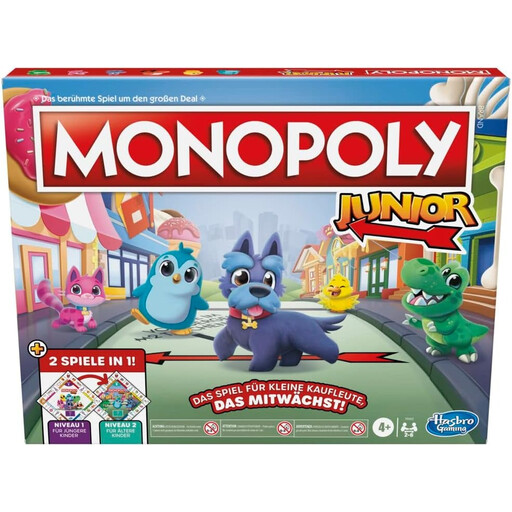
Why it fits this profile: This game is ideal for families who need to bridge different age groups. It playfully introduces younger children to numbers and simple counting, while older siblings can already start making their first strategic decisions.
The double-sided game board with two difficulty levels (Level 1 for ages 4-5, Level 2 for ages 6 and up) solves the problem of rigid age ratings. The game grows with the child's abilities.
Promotes counting, reading, and basic financial concepts in an accessible way. The child-friendly locations and tokens ensure high motivation.
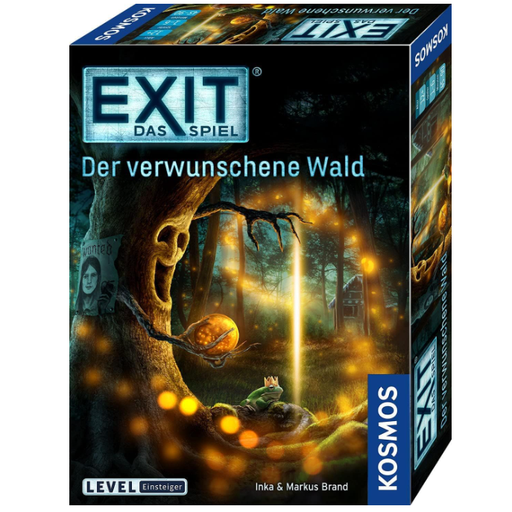
Why it fits this profile: Perfect for families who want to avoid direct competition and instead seek a shared sense of achievement. It transforms the game table into an escape room and demands communication and teamwork.
This game is designed for a one-time experience, as the materials are altered during play. It bypasses the pitfall of repetitive gameplay by instead creating a unique, unforgettable event for the whole family.
A true cooperative family game that promotes logical thinking, creativity, and collaboration. The "Beginner" difficulty level makes it accessible even for families new to the genre.

Why it fits this profile: Catan is a classic for families with older children (family games for ages 8 and up and older) who appreciate a mix of strategy, trading, and a bit of luck. It challenges forward planning and negotiation skills.
The variable game board, which is reassembled for every match, ensures extremely high replay value. No two games are identical, completely avoiding the pitfall of repetitive gameplay.
A balanced mix of strategy and luck that allows new players to hold their own against experienced ones. Promotes strategic thinking and social interaction through the trading mechanism.
We have compiled a complete, up-to-date list of products that fully meet these strict selection criteria and all relevant safety standards.
1. How do you find a game that's fun for all age groups in the family? Look for games with simple basic rules that still offer strategic depth for older players. Team-based or cooperative games are also a great choice, as they allow younger and older family members to combine their strengths rather than compete against each other. Games like Monopoly Junior with adjustable difficulty levels are also an excellent solution.
2. What does "cooperative family game" mean, and who is it suitable for? In a cooperative game, all players work together to achieve a common goal and win against the game itself. This type of game is excellent for families who want to avoid direct competition and potential conflicts. They promote communication, team-based problem-solving, and strengthen family bonds.
3. How long is a typical family game night with a board game? Game length varies greatly from one game to another. Most manufacturers provide an estimated duration on the box, which can range from 15 minutes for quick kids' games to 90 minutes or more for complex strategy games. For a family night with children of different ages, games lasting 30 to 60 minutes are often a good compromise.