
Lieferung heute & morgen

Qualitätsgarantie

Willkommens-Angebote freischalten: KOSTENLOSE Lieferung | Bis zu 80 % RABATT | Kostenlose 30-Tage-JoyPlus-Testphase
App herunterladen
A home gym combines multiple pieces of training equipment into a single unit, enabling a comprehensive full-body workout machine within a limited space. Choosing the right model depends on individual training goals, available space, and specific technical requirements. This article analyses the key criteria for selecting a fitness station and presents various models based on their specifications.
The decision to purchase a home gym should be based on an analysis of objective parameters. The following technical aspects are crucial for making an informed choice.
The durability and stability of a home gym are largely determined by the materials used and the quality of its construction. Frames made of high-strength steel, often specified as alloy steel, provide a solid foundation. A powder coating can enhance corrosion resistance. Pay attention to the material thickness and the quality of the welds, as these are indicators of structural integrity. Pads made from durable materials like synthetic leather (Leathaire) with foam filling contribute to comfort during repeated use.
The range of functions defines the possible exercises. A basic pull-up station, also known as a Power Tower, focuses on bodyweight exercises like pull-ups, dips, and leg raises. A multifunctional weight bench expands the range to include free-weight exercises, such as bench presses or shoulder presses. Models with integrated leg curl or lat pulldown modules offer an even broader spectrum for at-home strength training. The number of adjustable components, such as the backrest or seat, affects the versatility and ergonomically correct execution of exercises.
The footprint is a critical factor for home use. Precisely measure the intended setup area and compare the dimensions with the product specifications (Length x Width x Height). Some models feature folding mechanisms that significantly reduce the footprint when not in use. The storage space required, often specified in square metres (m?), is a useful metric here.
The maximum weight capacity is a critical piece of safety information. A distinction is made between static load capacity (weight at rest) and dynamic load capacity (weight in motion, including the user and weights). These specifications must be strictly adhered to. Safety features such as sturdy safety pins for adjustable parts, non-slip feet, and, for a weight bench with a rack, safety catches for the barbell are essential for safe training.
The following products were selected based on their technical specifications and intended applications.

Why We Recommend This Product This model stands out for its innovative folding mechanism, which requires a storage footprint of just 0.18 m?. According to the manufacturer, the design allows for 25 basic exercise modes, offering high versatility for a full-body workout in a small space. The alloy steel frame and five-position adjustable backrest support an adaptable training setup.
Pros
Who It's For This machine is ideal for users with limited living space, such as in apartments or small home gyms, who are looking for a multifunctional and easily storable solution for comprehensive strength training.
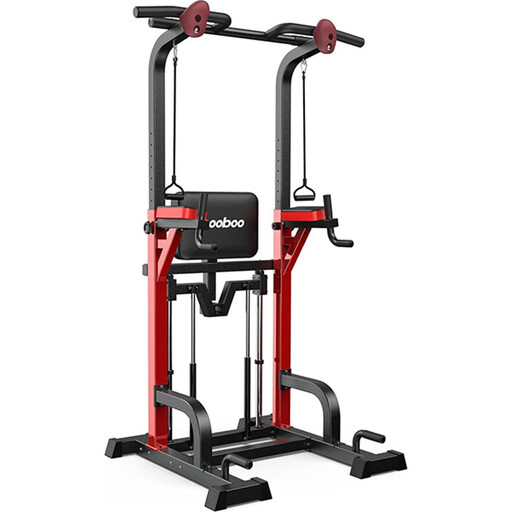
Why We Recommend This Product The Pooboo C773 Power Tower is designed for stability and high load capacity. According to the manufacturer, its commercial-grade steel frame is designed for a weight capacity of up to 480 lbs (approx. 217 kg). The height-adjustable design makes it adaptable for users of various heights. As a specialised pull-up station, it focuses on fundamental bodyweight exercises.
Pros
Who It's For This model is designed for individuals who focus on bodyweight exercises and need a robust, high-capacity machine for their home gym.
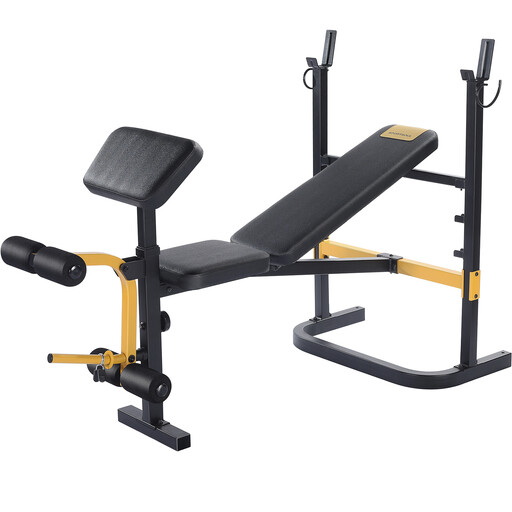
Why We Recommend This Product This weight bench with rack combines an adjustable bench with a squat rack and is designed for training with barbells. Its high weight capacity (410 lbs dynamic, 1200 lbs static, according to the manufacturer) and integrated safety catches also enable heavy strength training. Additional features like the leg developer and the detachable preacher curl pad expand the variety of exercises.
Pros
Who It's For This machine is aimed at advanced users seeking a stable and versatile system for free-weight training, especially with barbells.
The models presented cover specific requirement profiles. However, the market offers a much wider variety of equipment that differs in function, size, and price. For a more comprehensive overview of different models and types, visit our Home Gym Equipment category.
1. What can you train with a home gym? A multifunctional home gym allows for a full-body workout. Depending on the features, typical exercises include bench press (chest), lat pulldowns or pull-ups (back), shoulder press (shoulders), bicep curls (arms), leg press or leg curls (legs), and crunches or leg raises (abs).
2. Is a home gym suitable for beginners? Yes, many home gyms are suitable for beginners. Guided movements on machines like the lat pulldown or leg press can ease entry and help in learning the correct form. Models with adjustable weights or resistance allow for a gradual increase in intensity.
3. How much space do you need for a fitness station? The space required varies greatly. A simple power tower needs about 1.5 m? to 2 m? of floor space and sufficient ceiling height for pull-ups. A comprehensive multi-gym can take up 3 m? to 5 m? or more. Measure your available space and also consider the clearance needed for movement around the machine.