
Lieferung heute & morgen

Qualitätsgarantie

Willkommens-Angebote freischalten: KOSTENLOSE Lieferung | Bis zu 80 % RABATT | Kostenlose 30-Tage-JoyPlus-Testphase
App herunterladen
Self-monitoring vital signs is becoming an integral part of daily life for many. Whether for managing chronic conditions, optimising fitness routines, or simply fostering greater health awareness, the demand for home health monitoring devices is steadily growing. However, the market is crowded and confusing, filled with products whose marketing claims often fall short.
As your Joybuy Product Recommendation Officer, I'm here to help you cut through the noise. This guide will walk you through the most common purchasing pitfalls and highlight the crucial features to look for, ensuring you find a reliable device that perfectly suits your needs.
Before making a purchase, it's important to understand the typical issues that can lead to frustration and inaccurate results.
To avoid these pitfalls, focus on objective and verifiable criteria. The following three points are essential for making an informed decision.
The reliability of your readings is paramount. For devices like a blood pressure monitor or pulse oximeter, look for the CE marking, which confirms the product meets EU safety and health standards. Many reliable devices are also classified as medical devices, which imposes stricter requirements on measurement accuracy. Instead of being swayed by marketing terms, check the manufacturer's stated tolerance ranges (e.g., ±3 mmHg for blood pressure monitors). This is an objective indicator of the precision you can expect when checking your blood pressure or measuring oxygen saturation.
Consider how you want to use your data. Do you need a simple device that clearly displays the reading, or do you want to track trends over a longer period?
A good health device should integrate seamlessly into your daily routine. Pay attention to these practical aspects:
Based on the criteria above, we have selected a few products suited for different needs.
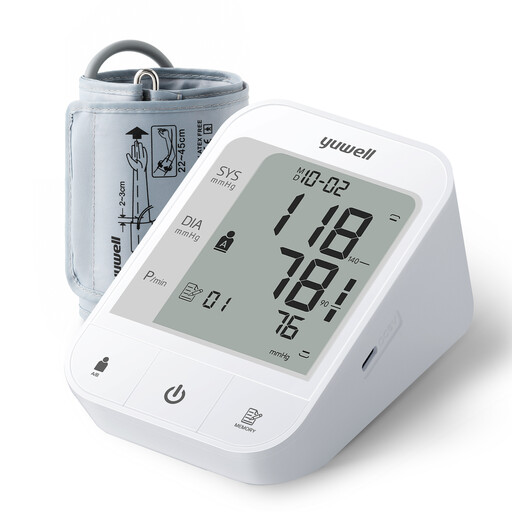
Why This Fits Their Persona: Ideal for users seeking a straightforward yet accurate device for blood pressure monitoring. It focuses on the core function without distracting or complex app features.
This device avoids the 'impractical design' trap. With its one-button operation, large HD display, and a cuff for wide arm circumferences (22–45 cm), it is extremely user-friendly.
High measurement accuracy within a tolerance of ±3 mmHg, supported by the manufacturer's DFFA algorithm. Memory for 2 users with 99 entries each.
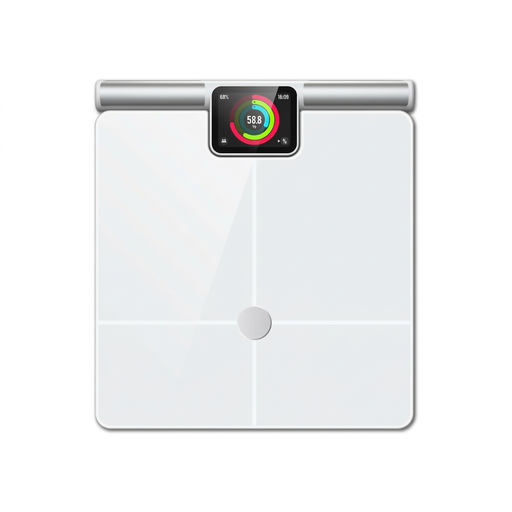
Why This Fits Their Persona: Perfect for athletes and health-conscious individuals who need a detailed, segmented analysis of their body composition to manage their training and nutrition.
This scale counters the 'inaccurate sensors' trap with advanced 8-electrode technology and dual-frequency BIA, enabling a segmented analysis of arms, legs, and torso—more precise than conventional 4-electrode scales.
Delivers 56 comprehensive body metrics and two report formats (single metrics and a professional health report). Wi-Fi and Bluetooth connectivity for automatic data synchronisation.
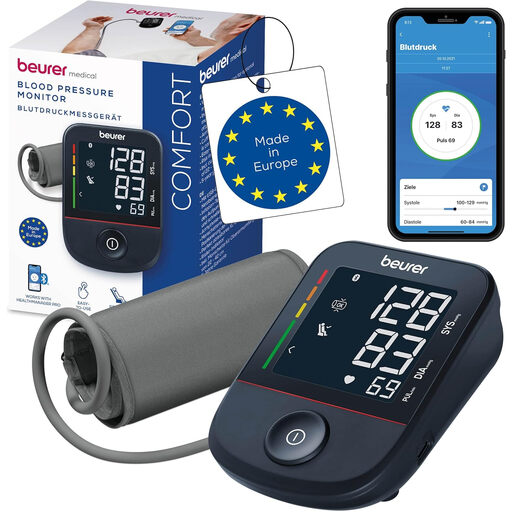
Why This Fits Their Persona: Designed for maximum simplicity and reliability. The one-button operation and large display make it ideal for seniors or for shared use within the family.
This model solves the 'impractical design' problem with a cuff fit check and a rest indicator. These features help prevent user error and ensure the accuracy of the measurements.
Arrhythmia detection to warn of potential cardiac rhythm disturbances. Optional Bluetooth data transfer to the 'beurer HealthManager Pro' app allows for easy documentation.
We have compiled a complete, up-to-date list of products that fully meet these strict selection criteria and safety regulations.
The CE marking is a manufacturer's declaration that the product complies with the applicable regulations of the European Union. For medical products like blood pressure monitors or pulse oximeters, it signals adherence to fundamental safety and performance standards. It is an important, but not the only, quality indicator.
Not necessarily. Most smart scales display your body weight directly on the screen. However, for detailed analyses like body fat percentage, muscle mass, or BMI, syncing with the companion smartphone app is required. Before you buy, check if the basic functions important to you are accessible without using the app and if the app itself remains free of charge.
Digital blood pressure monitors for home use are designed for a long lifespan without needing regular recalibration. However, to ensure accuracy, it is advisable to compare your device's readings with those from a professionally calibrated device (e.g., at a doctor's office or pharmacy) about once a year. If you notice significant discrepancies, you should contact the manufacturer.