
Lieferung heute & morgen

Qualitätsgarantie

Willkommens-Angebote freischalten: KOSTENLOSE Lieferung | Bis zu 80 % RABATT | Kostenlose 30-Tage-JoyPlus-Testphase
App herunterladen
Choosing the right lighting is a crucial step when designing or renovating a home. The right lamps and fixtures not only create the desired atmosphere but also serve important functional purposes. However, given the vast array of styles, technologies, and designs, the decision can be complex. This guide will help you make an informed decision that satisfies both your aesthetic preferences and your practical needs.
Before you decide on a specific model, a few fundamental considerations can simplify the selection process.
Every room has different lighting requirements. A well-thought-out lighting concept typically combines three types of lighting:
Modern LED lamps are the standard today and offer significant advantages over older technologies. They are characterised by high energy efficiency, a long lifespan, and low heat emission. Many models also offer the ability to adjust the light colour (Kelvin) and brightness (lumens). Smart lighting, controlled via an app or remote, provides additional convenience and allows you to create lighting scenes for different moods and times of day.
The light fixture itself is also a design object. Whether minimalist, industrial, natural, or classic—the chosen lamp should complement your interior style. Materials like metal, glass, wood, or fabric not only influence the look but also the way light is distributed throughout the room.
Here, we present a selection of products that are compelling for various applications due to their specific features and design.
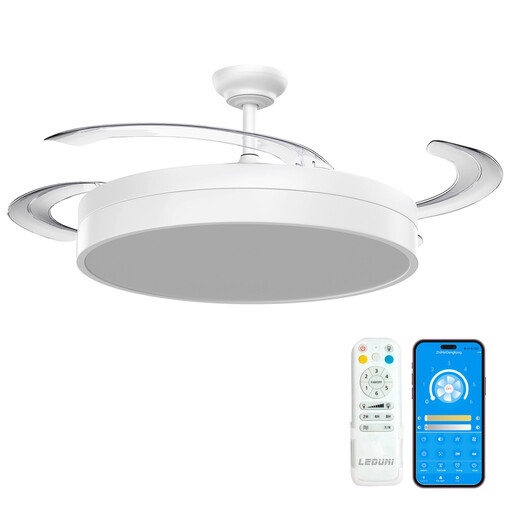
Why It Stands Out: This model combines a powerful ceiling light with a ceiling fan. Its standout feature is the four retractable blades that fold away when not in use. When closed, the fixture has a diameter of just 50 cm and looks like a sleek, modern lamp.
Advantages:
Who Is It For? For users looking for a space-saving and functional solution for living rooms or bedrooms. It is ideal for rooms where both good illumination and a pleasant climate are desired, and it particularly appeals to tech-savvy users who value smart home control.
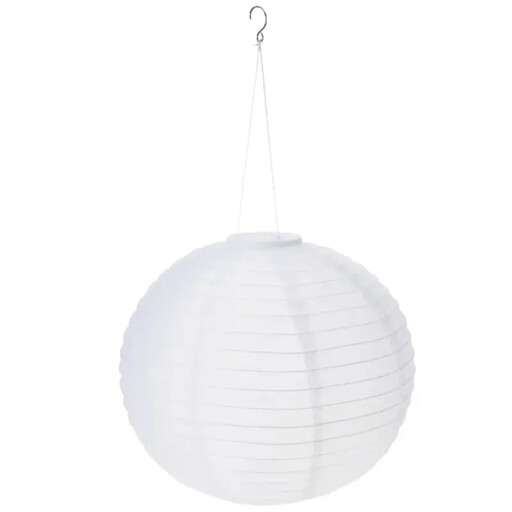
Why It Stands Out: This spherical outdoor light stands out for its minimalist design and its independence from the power grid. The shell, made of weather-resistant nylon, is reminiscent of a classic paper lantern and produces a soft, diffused light. The integrated solar panel eliminates the need for cables.
Advantages:
Who Is It For? For garden and balcony owners seeking atmospheric and decorative lighting without any installation effort. It's an excellent choice for anyone who prefers an eco-friendly and flexible lighting solution for cosy evenings outdoors.
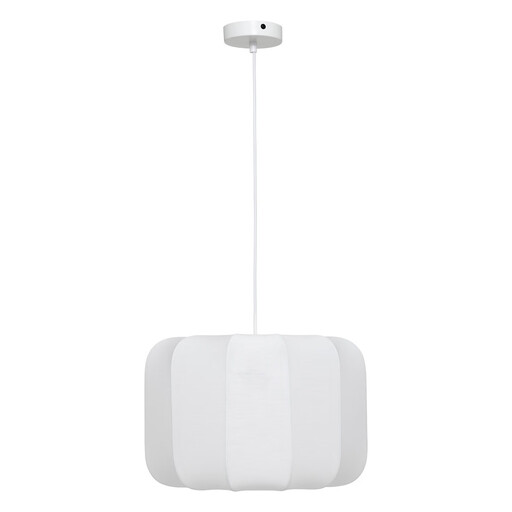
Why It Stands Out: The Tobie pendant lamp adds a natural and warm accent with its hand-woven cotton rope design. Its organic shape makes it a decorative eye-catcher that has an aesthetic impact even when turned off.
Advantages:
Who Is It For? For style-conscious individuals who want to add a personal and natural touch to their interior. It is the right choice for anyone who views a lamp not just as a light source, but also as a central decorative element.
The products featured offer a glimpse into the diversity of modern lighting. If you are looking for more clean and minimalist designs, especially for ambient lighting, you will find a broader selection of models in our White Ceiling Lights category that seamlessly integrate into various living concepts.
Discover More White Ceiling Lights
1. What is the difference between lumens and watts in LED lamps? In the past, wattage was a measure of a light bulb's brightness. With energy-efficient LED lamps, the lumen (lm) value is the crucial indicator of brightness. For LEDs, watts (W) now only indicate the low energy consumption. A higher lumen count means brighter light.
2. Which light colour (Kelvin) is suitable for which room? Light colour is measured in Kelvin (K). For a cosy atmosphere in living rooms and bedrooms, warm white (2700–3300 K) is generally recommended. Neutral white (3300–5300 K) is well-suited for kitchens, bathrooms, or workspaces, as it promotes concentration. Cool white (above 5300 K) resembles daylight and is often used in basements or garages.
3. How do I safely install a ceiling light? The installation of electrical devices, especially on the ceiling, should always be carried out by a qualified electrician. Before starting any work, the power supply must be disconnected at the breaker box. Also, ensure that the ceiling structure can support the weight of the fixture. Always follow the manufacturer's installation and safety instructions.