
Lieferung heute & morgen

Qualitätsgarantie

Willkommens-Angebote freischalten: KOSTENLOSE Lieferung | Bis zu 80 % RABATT | Kostenlose 30-Tage-JoyPlus-Testphase
App herunterladen
Setting up a functional workspace at home starts with choosing the right piece of furniture. A suitable home office desk is the foundation for productive work. The decision depends on factors like available space, ergonomic needs, and storage requirements. This article provides a structured guide to help you select a model that meets your specific needs.
Before you make a decision, there are three key aspects to consider. These will help you narrow down your options and find a model that is both functional and a perfect fit for your space.
The first step is to precisely measure the intended area. Consider not only the width and depth of the desk itself but also the space needed for an office chair and for movement around the workspace.
Long hours at a desk require an ergonomic posture to prevent strain. The height of the desk plays a crucial role in this.
A tidy workspace promotes focus. A desk with storage helps you stay organised. Consider which items you need within easy reach.
Based on functionality, design, and different user profiles, we have compiled a selection of top models.
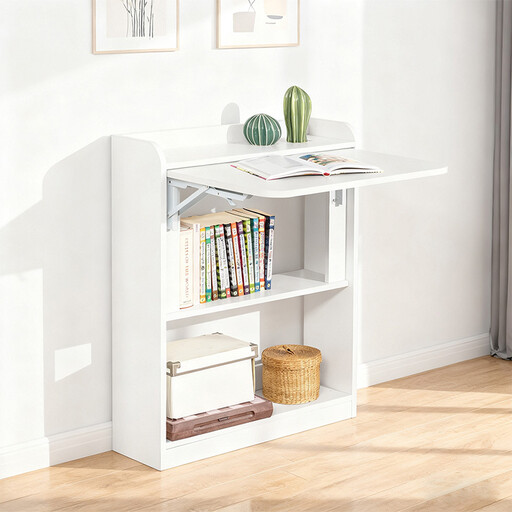
Why it stands out This model from SoBuy is designed as a space-saving solution. The foldable tabletop allows the desk to be reduced to a depth of just 20 cm when not in use. Three integrated shelves offer additional storage for small items.
Pros
Who it's for This model is an excellent choice for users with very limited space, such as students in small apartments or individuals who only need a workspace occasionally and value a tidy aesthetic.
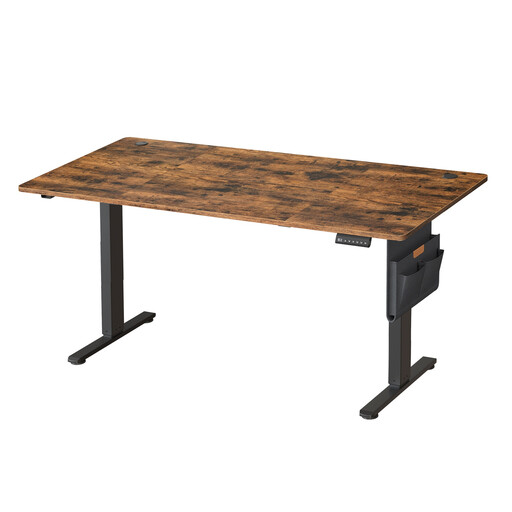
Why it stands out The Ochama desk offers a generous work surface and the flexibility of an electric height-adjustable frame. The motor allows for seamless height adjustment from 72 cm to 120 cm, making it easy to switch between sitting and standing.
Pros
Who it's for This office desk is aimed at professionals in a permanent home office setup who prioritise ergonomics and a large, organised workspace. It is ideal for users who spend many hours at their desk.

Why it stands out This corner desk from Tribesigns combines a generous work surface with extensive storage. The L-shaped design is reversible, allowing the desk to be flexibly adapted to fit left or right-hand corners of a room.
Pros
Who it's for Ideal for users who need a dedicated workspace with maximum storage and a large work surface. It is well-suited for home office users, creatives, or as a gaming desk.
If these recommendations don't include the perfect model for your needs, or if you're looking for a smaller, decorative addition to your study, a compact side table can sometimes be a practical extension.
Explore our selection of side tables, such as a round wire side table, to create additional surface space.
The ideal height for a desk depends on your body height and the height of your office chair. For a fixed-height desk, the surface should be positioned so that your forearms rest horizontally with your shoulders relaxed. A height-adjustable desk offers the most flexibility, as it can be precisely adapted to your needs for both sitting and standing.
A computer desk is specifically designed for use with tech equipment. It often includes features like cable management systems (openings or channels), raised tiers for monitors, or special ventilation cutouts. A conventional desk or office desk is often simpler in design, focusing primarily on providing a clear work surface for writing or reading.
Plan for an area of at least 120 cm in width and 150 cm in depth. This provides enough space for a medium-sized desk (e.g., 120 x 60 cm) and the necessary room to move your office chair. For larger setups with a corner desk or multiple monitors, you should plan for more space accordingly.