Home offices with fluctuating humidity
If the air in your workspace feels dry, taking a measurement can help you work out whether you need a humidifier. The Verbraucherzentrale recommends checking humidity with a thermo-hygrometer.


A humidifier can be a good choice for your home office, especially if repeated measurements show that the air in your workspace is too dry. Choose a type that suits your priorities, whether that’s adjustable humidity, quiet operation or the time and effort involved in refilling, cleaning and replacing filters. Keep checking the room’s humidity after you switch it on, too.
If the air in your workspace feels dry, taking a measurement can help you work out whether you need a humidifier. The Verbraucherzentrale recommends checking humidity with a thermo-hygrometer.
If you use your humidifier regularly, factor refilling and cleaning into your routine, and check whether your specific model needs filters or other care products. The US Environmental Protection Agency (EPA) provides advice on maintaining portable humidifiers.
If the humidifier will be running in the same room while you work or take calls, check the operating settings and noise levels for the specific model. Manufacturer specifications can’t replace testing it in your own working environment.
Start by measuring humidity in the room you actually work in. Then decide which type of humidifier and level of maintenance will suit your working routine. Check the full model’s recommended room size, control options and operating noise.
| Buying priority | What to check | Who it matters to most |
|---|---|---|
| Measure and control humidity | Check the thermo-hygrometer and whether the humidifier has an adjustable target humidity or automatic control. | If I don’t want to judge whether I need a humidifier by feel alone, and want to avoid making the room too damp, I’ll measure humidity in my workspace and check the control options. Around 25% of consumers prioritise measuring and controlling humidity. |
| Cleaning and water care | Check the tank opening, how easy it is to access water-contact parts, and the cleaning instructions for the specific model. | If I use a humidifier regularly, I want to be able to refill and clean it without unnecessary hassle, and factor in any care products I may need. Around 25% of consumers prioritise ease of cleaning and water care. |
| Work without distractions | Compare the settings, quiet mode and noise levels for the specific model. | If the humidifier will be running while I’m concentrating at my desk or having conversations, I want to know whether I can adjust its operation to suit the situation. Around 20% of consumers prioritise a working environment with minimal disruption. |
| Suitable performance for the room | Measure your workspace and check that the stated room size applies to the full model number. | If I have a larger or awkwardly shaped workspace, I want to compare the product specifications with the actual floor area and continue monitoring humidity afterwards. Around 15% of consumers prioritise suitability for their room size. |
| Consumables and running costs | Check which filters or care products are compatible, along with the stated power consumption. | If I plan to use the humidifier frequently, I’ll factor in any consumables I need and its electricity use. Around 15% of consumers prioritise ongoing costs and accessories. |
The Verbraucherzentrale gives 40–60% relative humidity as a guide for living spaces, and notes that regularly going above 50% in winter can increase the risk of mould. These figures aren’t a reason to assume that every workspace has the same ideal target without measuring first. Also check cool surfaces and the conditions in the room.
The US Environmental Protection Agency (EPA) says that ultrasonic humidifiers can release minerals and microorganisms from the tank into the air. Water quality, refilling and cleaning should therefore all factor into your buying decision. Visible mist isn’t proof that a humidifier is hygienic.
How the air feels doesn’t tell you the actual relative humidity. A reading that’s too high can also be a problem on cool surfaces.
First, measure humidity in your workspace with a thermo-hygrometer, then keep checking it after you start using the humidifier.
An unnecessary purchase means extra cleaning and maintenance.
The US Environmental Protection Agency (EPA) notes that ultrasonic humidifiers can release minerals and microorganisms from the tank into the air.
Check the water quality requirements and care instructions for the model. Don’t rely on visible mist as proof of good hygiene.
Depending on the humidifier and the water you use, refilling, cleaning and using low-mineral water can mean extra work.
For the Venta LW25 Classic Original, the manufacturer still recommends cleaning the water tray and plate stack.
Before you buy, compare the cleaning instructions and check which care products the full model requires.
Even without a humidifier mat, you’ll still need to make time for cleaning, and you may need hygiene products too.
The F.A.Z. Kaufkompass review is for the Philips HU5710/03. The Philips HU3918/10 is a different model, so you can’t automatically apply its specifications or test results to it.
Check the full model number and confirm the recommended room size, accessories and filter requirements for that exact version.
The specifications for the HU3918/10 and HU5710/03 describe different products. Their features and test results should be considered separately.
The LB 300 Plus, LB 45 and LB 55 use different humidification methods and offer different control options. Features vary by model.
According to the manufacturer, the LW25 Classic Original uses a stack of water-wetted plates instead of a humidifier mat.
This selection includes ultrasonic humidifiers and an evaporative model with humidity control. Before you buy, check that the type, maintenance requirements and control options suit your workspace.
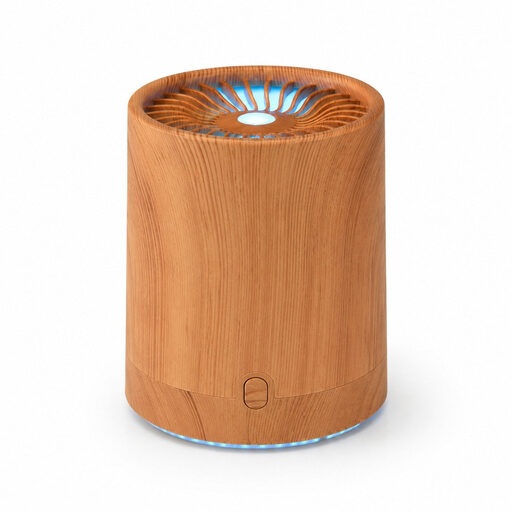 No image available
An option if you’re looking for a compact ultrasonic device with fragrance and lighting functions. Check that these features suit your home office.
The title lists a 160-ml tank and warm white LED lighting. The product description specifies USB power, 5 W, a maximum noise level of 36 dB, and continuous and intermittent modes.
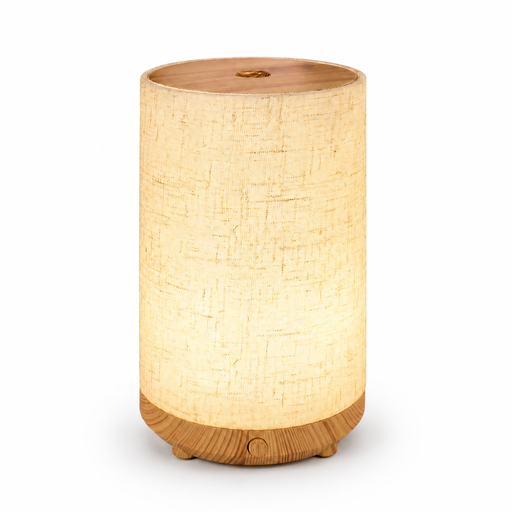 No image available
This compact USB-powered device could suit you if you want to use continuous and intermittent modes. Follow the instructions on water quality and filter care.
The product description lists a 260-ml tank, 2 W and automatic shut-off after a set running time. The instructions specify using pure or distilled water, and cleaning or replacing the cotton filter regularly.
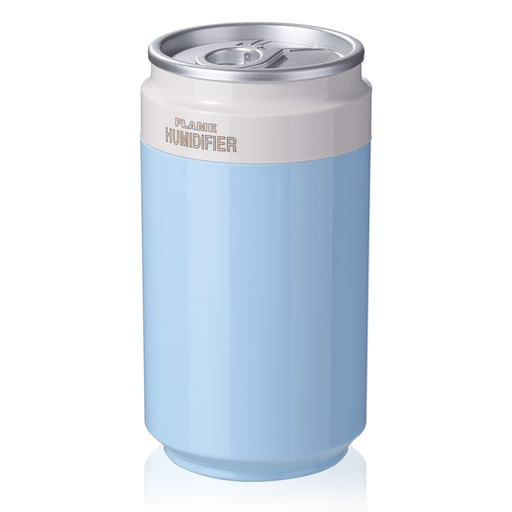 No image available
This portable model is an option if you’re looking for a device for the office and other indoor spaces. Check the water requirements before using it regularly.
The product description lists a 260-ml tank, 2 W, two mist settings and automatic shut-off. The instructions specify using pure or distilled water; tap and mineral water are not recommended.
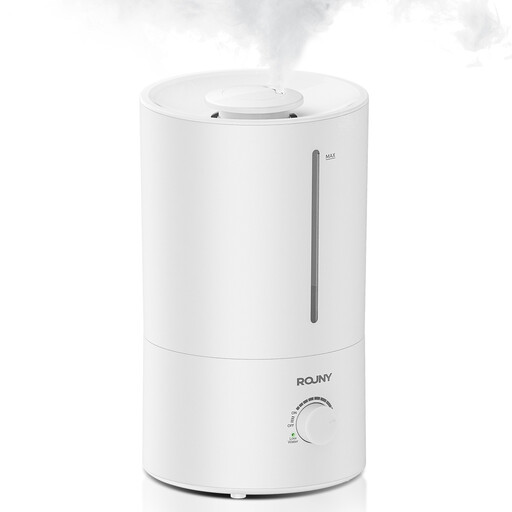 No image available
This model may suit you if you want a larger tank and manually adjustable mist output. The actual humidity in your workspace will still depend on the conditions in the room.
The product specifications list a top-fill 4-l tank, 23 W, a mist output of 350 ml/h, a rotating 360° nozzle and a noise level of ≤38 dB(A). The mist output is continuously adjustable.
 No image available
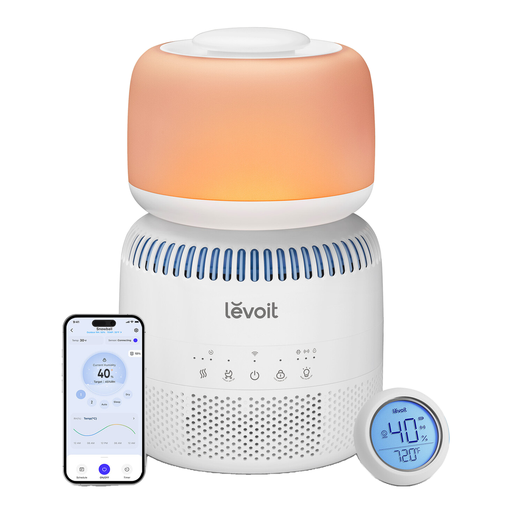
An option if you’re looking for evaporative technology with a humidity sensor and adjustable target levels. Check the filter care requirements and whether the available control features suit the way you’ll use it.
The product description lists a 3.8-l tank, a dual-filter system, app control and automatic drying of the wick filter.
First, use a thermo-hygrometer to measure the relative humidity in the room you work in. The Verbraucherzentrale gives 40–60% as a guide for living spaces, and notes that regularly going above 50% in winter can increase the risk of mould. This doesn’t mean you always need to use a humidifier.
The US Environmental Protection Agency (EPA) recommends emptying the tank every day, wiping it dry and refilling it with fresh water, as well as cleaning portable units every three days. This is hygiene advice, not a requirement under German law. Also follow the instructions for your specific model and rinse off cleaning products thoroughly.
Before buying, check which filters or care products are compatible with the model and whether they’re available. If there’s a fault, your statutory rights generally apply against the seller; a voluntary manufacturer’s or retailer’s guarantee is separate. The rights that apply in a particular case depend on the circumstances.
The Federal Institute for Occupational Safety and Health explains that workplace regulations require a healthy indoor climate, but don’t set a specific minimum humidity level. This doesn’t determine whether the rules for workplaces apply to a particular home office.