Dressing makers short on fridge space
If you mainly want to store a few homemade dressings, first check whether there’s enough room in your existing fridge and whether it’s at the right temperature.


You don’t need an extra fridge if there’s enough room in the one you already have and you can keep its temperature under control. The German Federal Institute for Risk Assessment (BfR) recommends a maximum of +7 °C, and preferably below +5 °C; careful hygiene is especially important for dressings made with raw egg. If there isn’t enough fridge space, a small appliance may be enough for a few containers, while a tabletop fridge offers more room for other supplies. Before you buy, also check where it will go, how much electricity it uses and how much fridge space you need.
If you mainly want to store a few homemade dressings, first check whether there’s enough room in your existing fridge and whether it’s at the right temperature.
Extra fridge space can be useful when containers no longer fit in the existing fridge. Measure the space available and the doorway, and think about where you’ll put the appliance.
If you also need to chill ingredients and drinks for shared meals, the amount of fridge space available matters more than choosing the smallest appliance.
A good fit if: there’s enough room for sealed containers and your other food, and you can check the fridge temperature.
Bear in mind: An overfilled fridge can restrict air circulation. Hygiene and refrigeration are especially important when using raw egg.
A good fit if: you only need to chill a few extra containers and space is limited.
Bear in mind: Bomann states that the KB 7245 is designed for ambient temperatures from +10 °C. This doesn’t mean it’s suitable for a colder room.
A good fit if: you need room for food and drinks for several people, as well as dressing.
Bear in mind: The models featured here take up more floor space than the 45-litre compact fridge. A freezer compartment isn’t a reason to choose a fridge if you only need it for dressing.
| Consideration | What to check when buying | Who is this especially important to? |
|---|---|---|
| Cooling and hygiene | Check the temperature in different parts of the fridge and leave enough room for containers. The BfR recommends a maximum of +7 °C, and preferably below +5 °C. | When I store homemade dressing, especially one made with raw egg, I want to keep an eye on the temperature and hygiene. Around 36% of consumers say reliable cooling and hygiene are their main concerns. |
| Space available | Compare the appliance’s dimensions, the room needed to open the door and the recommended ambient temperature. | In a small holiday-home kitchen, I want to fit an appliance in without blocking walkways or doorways. Around 29% of consumers mainly want to make sure the appliance fits the space available. |
| Energy consumption | Compare the EU energy label and kWh/year. Don’t assume the annual figure is the same as the actual consumption over a short season. | If I only use the appliance in my holiday home from time to time, I want to put its stated energy consumption into context based on how long I’ll use it. Around 21% of consumers focus on running costs. |
| Fridge space for supplies | Consider usable fridge space and freezer space separately. Allow only for the space you’ll actually need for dressing and other food. | For shared meals, I want room for other food and drinks as well as dressing. Around 14% of consumers mainly look for space for extra supplies. |
The real issue may be a lack of space or an unsuitable temperature in your existing fridge. So a new appliance isn’t always necessary.
First check the space available and the actual temperature. Then decide whether you need extra fridge space.
An extra appliance takes up space and uses additional electricity while it’s running.
A freezer compartment isn’t extra fridge space for dressing.
Check separately how much room the model offers for chilling and freezing.
Bomann states that the KB 7245 is designed for ambient temperatures from +10 °C. A compact design doesn’t mean the model is suitable for lower room temperatures.
Compare the lowest room temperature you expect with the specifications for the exact appliance you’re considering.
The KB 7245 is a very compact appliance for a small amount of extra food.
The Rd 1200 Pure is a tabletop fridge offering extra cooling space, with no freezer compartment listed here.
The TKS 8847 combines extra storage space with a freezer compartment, if you need both in your holiday home.
The KS16-V-H-010C datasheet documents a tabletop option with no freezer compartment listed.
The appliances below suit situations where you need extra fridge space: from a small freestanding fridge for a few containers to a larger model for additional supplies.
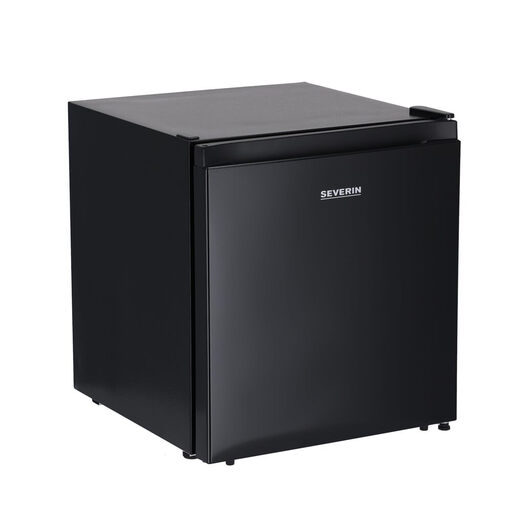 No image available
For a few extra containers, if a small freestanding appliance will fit in your holiday-home kitchen.
Stated capacity of 45 l. The freezer compartment is separate from the fridge space for dressing.
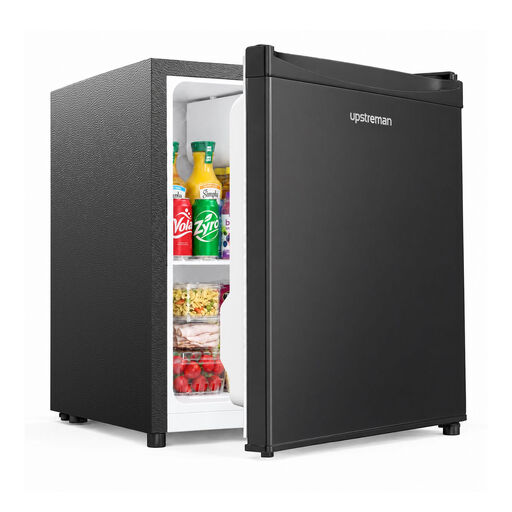 No image available
For a few extra containers, if you’re looking for a compact appliance with adjustable cooling.
46 l; temperature control from 0 to 12 °C in 5 settings; 41 dB according to the product name.
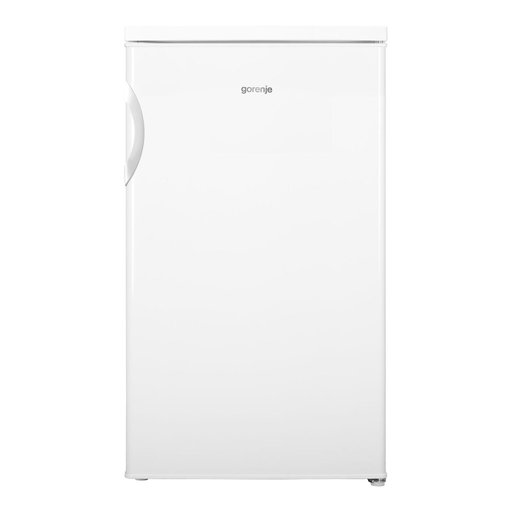 No image available
If you need to chill other food as well as dressing, this model offers more stated fridge space than a compact appliance.
133 l; energy efficiency class D according to the product name.
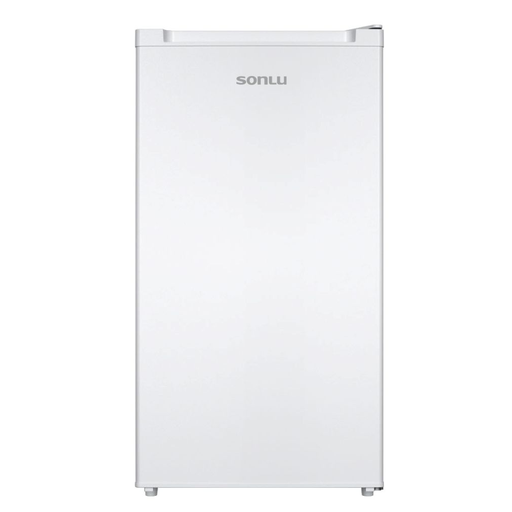 No image available
For dressing and other food, if a fridge with a stated capacity of 82 l fits the space you have in mind.
82 l; energy efficiency class E according to the product name.
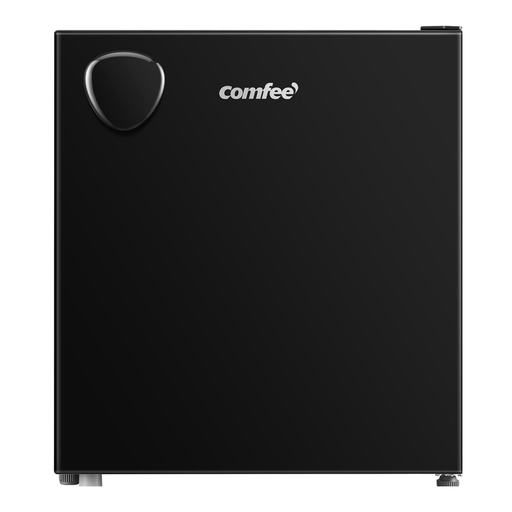 No image available
For a few extra containers, when space is limited and a slim appliance would be a better fit.
43 l; 44,5 cm wide; three temperature settings according to the product name.
Check how much space is available and measure the actual temperature in different parts of the fridge. The BfR recommends a maximum of +7 °C, and preferably below +5 °C. Perishable ingredients and dressings made with raw egg need particular care. A temperature control dial alone doesn’t confirm the temperature inside a container.
It depends on the appliance and how it was transported. For the Severin TKS 8847, the manufacturer recommends leaving it to stand for at least four hours if it hasn’t been transported or stored upright throughout. Follow the instructions for other models.
There’s no one-size-fits-all answer. For the Bomann KB 7245, the manufacturer states an ambient temperature range of +10 °C to +43 °C. If the temperature at your chosen location drops lower, its suitability isn’t confirmed. Check the room temperature against the specifications for the exact model you’ve chosen.
When buying a new appliance, compare the EU energy label and stated annual energy consumption. If you only use it occasionally, the annual figure won’t necessarily match the energy used during your stay. The German Environment Agency notes that old electrical appliances should be collected separately. Ask the retailer or your local council about the return options available.
Yes. According to EU information on energy labelling, the labels for covered fridges and freezers must also be visible in online shops. Second-hand products are exempt from this labelling requirement.