What should you look for when choosing?
For perishable food, the German Federal Institute for Risk Assessment recommends storage at 2 °C to no more than 7 °C. This is not a blanket guarantee that every dressing will keep for a particular length of time.
| Priority |
What to check before buying |
Who is it particularly relevant to? |
| Safe storage |
Check the temperature at the intended storage spot and make sure there’s room for a covered container. |
If I’m preparing dressing with perishable ingredients, I want to keep it chilled and hygienic until mealtime; around 36% of consumers say safe storage is their main priority. |
| Usable fridge space |
Measure your container and shelf space; compare fridge capacity rather than the total capacity of a fridge-freezer. |
If I’m chilling other food as well as dressing, I need enough room in the fridge compartment; around 29% of consumers put extra fridge space first. |
| Purchase and running costs |
Compare annual energy consumption in kWh and the cost of electricity using your own tariff. |
If an appliance is going to run all the time, I want to weigh up the purchase price and running costs together; around 21% of consumers say total cost is their main priority. |
| Fit in your kitchen |
Check the installation space, appliance depth and door opening direction against the details for the specific model. |
If space is limited, I need an appliance that will fit and whose door can open properly; around 14% of consumers prioritise whether it will fit. |
Joybuy products for extra cooling capacity
The Joybuy products below are examples for anyone who regularly needs extra cooling capacity, from compact fridges to fridge-freezers.
 No image available
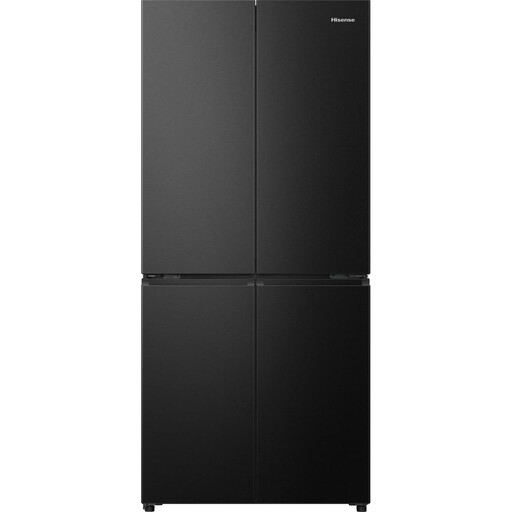
Hisense RQ5P470SAFD, fridge-freezer, energy efficiency class D
Worth considering if you need extra fridge space as well as a separate freezer; the freezer compartment won’t give you extra fridge space for dressing.
View at Joybuy
 No image available
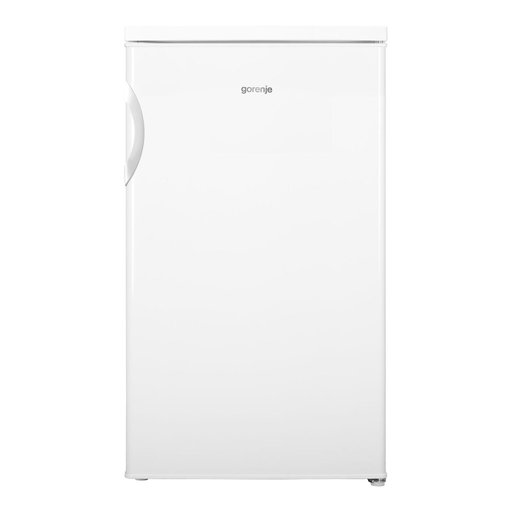
Gorenje G200 R49DPW, single-door fridge, 133 l
An option for regular extra cooling capacity, provided the appliance fits the space available.
View at Joybuy
 No image available
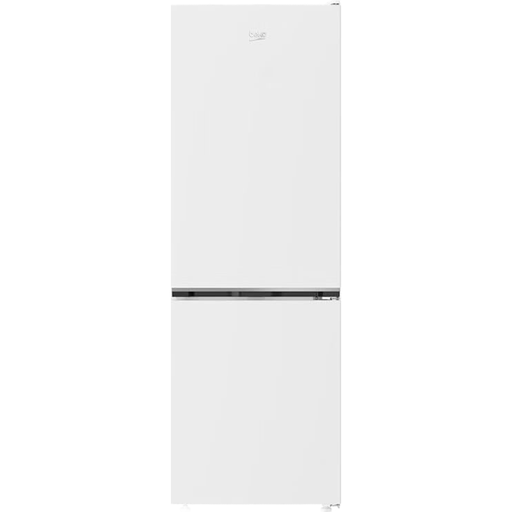
Beko fridge-freezer, 301 l, energy efficiency class C
A good fit if you want extra fridge space as well as a freezer; the freezer compartment won’t increase the space available for dressing in the fridge.
View at Joybuy
 No image available
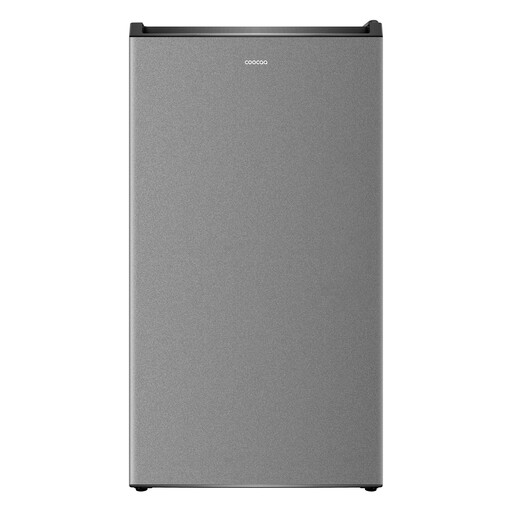
Coocaa SRS-120DTE fridge, 83 l, energy efficiency class E
A compact option for regular extra fridge space; check that the specific appliance will fit the available space and accommodate the container you need to store.
View at Joybuy
Frequently asked questions
How should I store homemade dressing until dinner?
It depends on the ingredients. For perishable food, the German Federal Institute for Risk Assessment recommends keeping it covered and separate from other food at 2 °C to no more than 7 °C, and keeping it chilled when you’re out and about. This food hygiene advice isn’t a blanket guarantee that every recipe will keep for a particular length of time.
Does chilling make dressing with raw egg safe?
No. Chilling alone doesn’t make dressing containing raw egg safe. The German Federal Institute for Risk Assessment identifies uncooked egg products such as mayonnaise as high risk, and recommends careful hygiene and keeping them sufficiently chilled until they’re eaten. A fridge won’t reliably get rid of any pathogens that may be present.
What costs should I consider besides the purchase price?
The stated annual energy consumption and your electricity tariff determine the ongoing cost of running the appliance. Delivery, installation or changing the door opening direction may also incur extra costs, depending on the retailer and offer; check these details for the specific appliance.
Which energy label applies when buying a new fridge?
Since 2021, fridges and other cooling appliances in the EU have used a scale from A to G, with no plus signs. Also compare the stated energy consumption in kWh and the size of the appliance; older ratings with plus signs are no longer the current label.
Can an old fridge in Germany go in the household bin?
No. Under Section 17 of the German Electrical and Electronic Equipment Act (ElektroG), retailers covered by the rules must take back an old appliance free of charge when selling a new one of the same type with essentially the same functions. The old appliance must be returned where the new one is delivered or nearby; check at the time of purchase whether the retailer you’re buying from is covered by this requirement.


