What should you look for?
Use the shared fridge
A good fit if: there’s always space for labelled, sealed jars and the required temperature can be maintained where they’re stored.
The trade-off: You won’t need an extra appliance, but you’ll have to agree on space and access with the other people sharing the fridge.
Choose your own domestic fridge
A good fit if: there’s never enough room in the shared appliance and you have a suitable space with a power socket.
The trade-off: Your own fridge takes up space, uses electricity and makes some noise. Manufacturers’ figures for capacity and layout don’t prove that an appliance will generally cool better.
Consider a drinks fridge or cool box
A good fit if: the specific appliance can reach the temperature your ingredients need in the spot where you plan to put it.
The trade-off: F.A.Z. Kaufkompass describes compressor appliances in its mini-fridge test as more reliable for keeping food chilled over long periods than some silent alternatives. This doesn’t prove that every individual model is suitable.
The German Federal Institute for Risk Assessment recommends storing perishable foods at 2 °C to no more than 7 °C. So first check the temperature where the food will actually be stored. Only then is it useful to compare the appliance type, noise and size.
| Priority |
What to check before buying |
Who will find this most important? |
| Cooling and hygiene |
Check the temperature where the food will be stored; keep jars sealed and separate from other food. |
If I make dressing with perishable ingredients, I want to know whether it can be kept sufficiently chilled and stored hygienically. Around 36% of consumers put cooling and hygiene first. |
| Dedicated space and interior layout |
Check the height and diameter of your jars against the shelves, door compartments and external dimensions of the appliance. |
If there’s regularly no room in the shared fridge, I need a dedicated storage spot where my jars will fit and be easy to reach. Around 29% of consumers prioritise having their own suitable storage space. |
| Energy consumption |
Compare the annual consumption in kWh on the EU energy label for the specific models you’re considering. |
If a fridge will be running all the time for just a few jars, I want to weigh its energy consumption against the benefit of the extra chilled storage. Around 21% of consumers focus mainly on running costs. |
| Noise and where to put it |
Check the noise rating and installation instructions for the specific model; don’t assume that a quieter fridge will cool less or more effectively. |
If the fridge will be near living or sleeping areas, I want to choose a suitable spot without compromising on the cooling needed. Around 14% of consumers prioritise noise and where to put the appliance. |
Fridges for your own dedicated storage space
The Joybuy products below are fridges designed for your own dedicated storage space. For each model, check whether the space available, interior layout and temperature it can reach are right for your kitchen and the jars you use for dressing.
 No image available
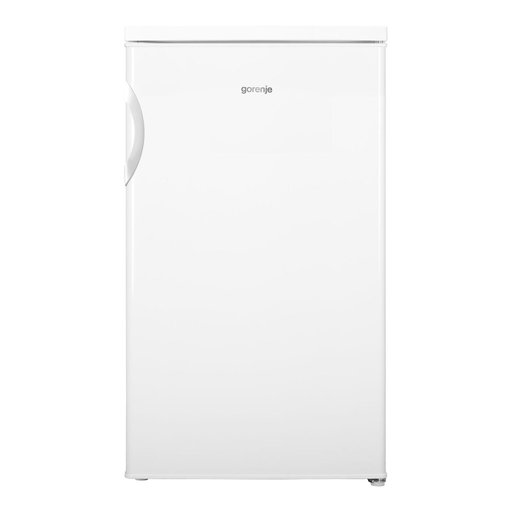
Gorenje G200 R49DPW, 133 l, single-door, white, energy class D
The larger capacity may suit you if you need extra chilled storage alongside your dressing jars; first check that you have enough space for the appliance.
Listed in the product name: 133 l, single-door, CrispZone, EcoMode, LedLight and energy class D.
Joybuy
 No image available
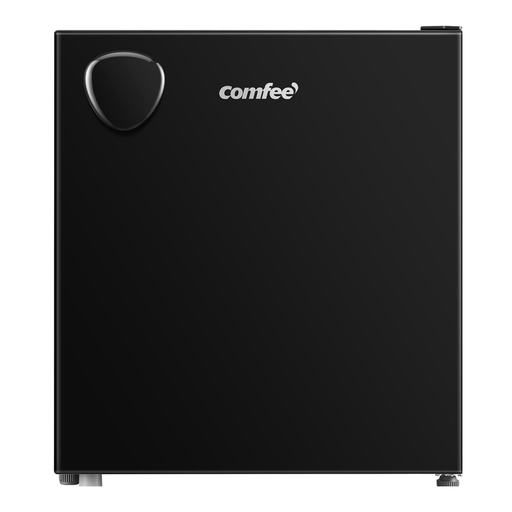
Comfee’ Youniq Series RCD48BL2EUY(E), 43 l, black, energy class E
The stated width may be useful if you have a narrow gap in your kitchen; measure the space and your jars before buying.
Listed in the product name: 43 l, 44,5 cm wide, three temperature settings and a reversible door.
Joybuy
 No image available
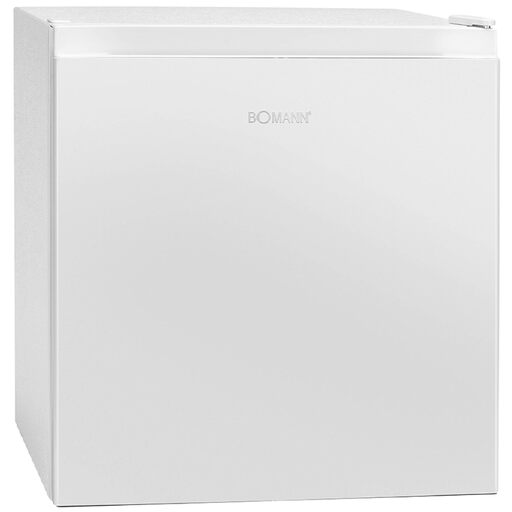
Bomann KB 7245, 45 l, with 4-l chill compartment, white
The layout may matter if you have different-sized jars or other chilled items; check how much interior space will actually be available for your dressing.
Listed in the product name: 45 l usable capacity, 4-l chill compartment, reversible door and adjustable temperature control.
Joybuy
 No image available
TCL RF120DWE0, 90 l, with chill compartment, energy class E
The layout listed in the product name may be useful if you want to store several jars on different levels; check the compartment dimensions against your containers.
Listed in the product name: 90 l, chill compartment, adjustable feet and shelves, and energy class E.
Joybuy
 No image available
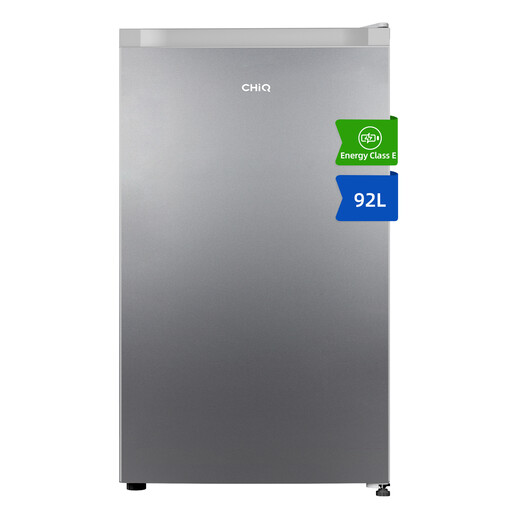
CHiQ JR92DSE, 92 l, 47 cm wide, silver, energy class E
The stated width may be useful if space is limited; measure the available area and check that the door can open and your jars will fit in your kitchen.
Listed in the product name: 92 l, chill drawer, seven temperature settings, adjustable glass shelves and reversible door.
Joybuy
Frequently asked questions
Do I need to buy a separate fridge for homemade dressing?
No, not if there’s a hygienic space in your existing fridge where the dressing can be kept sufficiently chilled. The German Federal Institute for Risk Assessment recommends storing perishable foods at 2 °C to no more than 7 °C; keep your dressing in a sealed container.
Where should I store dressing in a shared kitchen?
For a simple homemade vinaigrette, ‘Too good for the bin!’ recommends keeping it in a sealed jar in the fridge door. If it contains perishable ingredients, the actual temperature is also important; food should be covered and stored separately.
What should I bear in mind when making dressing with raw egg?
Raw eggs can carry harmful bacteria, so take extra care. The German Federal Institute for Risk Assessment recommends thoroughly cleaning any equipment that has come into contact with raw egg; chilling doesn’t replace these hygiene measures. How long the dressing will keep depends on the recipe and how it was made.
How do I compare the energy consumption of an extra fridge?
Compare the annual consumption in kWh shown on the EU energy label for the specific models you’re considering. As fridges generally run all year round, factor in the cost of running one permanently and first check whether there’s enough space in your existing appliance.
Can I return an old appliance when I buy a new fridge?
Under the conditions set out in § 17 ElektroG, the law requires certain distributors to take back an old appliance of the same type free of charge when you buy a new electrical or electronic appliance. Before placing your order, check whether the specific retailer and your appliance are covered.


