
Lieferung heute & morgen

Qualitätsgarantie

Willkommens-Angebote freischalten: KOSTENLOSE Lieferung | Bis zu 80 % RABATT | Kostenlose 30-Tage-JoyPlus-Testphase
App herunterladen
Preparing sushi at home is a rewarding culinary experience. However, the path to the perfect roll is often paved with unnecessary expense and frustration. Many home cooks invest in products that fail to meet expectations. This guide will help you understand the essential components and make an informed selection based on objective criteria.
Before you fill your shopping cart, you should be aware of three common issues that often lead to disappointment:
To avoid the problems mentioned above, focus on the fundamental characteristics of the most important sushi ingredients and accessories.
The key to authentic sushi is the rice. Look for the designation short-grain rice. These rice varieties are characterized by a high amylopectin content, a starch component that creates a sticky yet firm texture when cooked. This is the only way for the rice grains to adhere to each other and be shaped without falling apart. The product description should explicitly state its suitability for sushi.
The quality of roasted seaweed sheets (yaki-nori) can be judged by a few visual and tactile characteristics:
Instead of a complete kit, a targeted selection of individual tools can be more effective.
Here are some product suggestions tailored to specific needs and use cases.
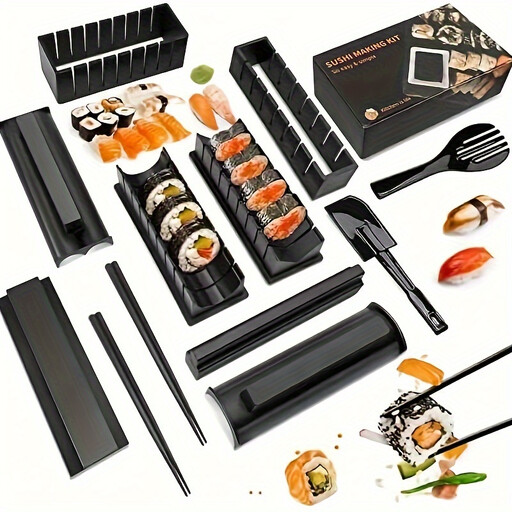
Why This Fits Their Persona: This kit is designed for beginners who want to get started right away without searching for individual components. It provides a basic selection of tools to facilitate the first steps in sushi preparation.
It bypasses the "all-in-one" trap by focusing on the basic shaping tools, leaving the user free to select high-quality ingredients like rice and nori according to their preference.
Offers various moulds for different types of sushi and significantly simplifies the shaping process.
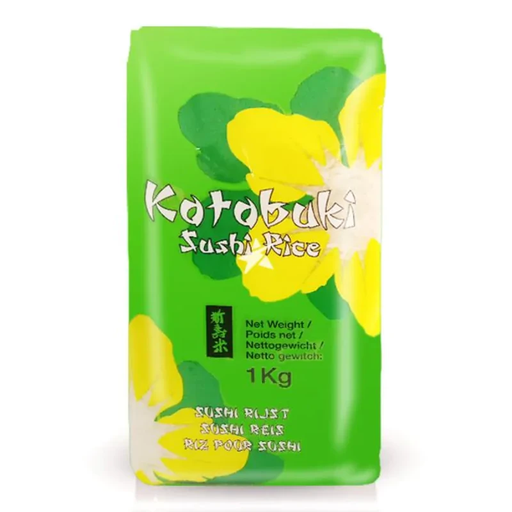
Why This Fits Their Persona: For home cooks who refuse to compromise on the most important ingredient. This rice forms the basis for an authentic taste experience, just like you'd find in a good sushi restaurant.
It solves the core problem of using the wrong rice by offering a product specifically grown and selected for its stickiness and texture after cooking. Its origin from Japan/Europe guarantees adherence to quality standards.
Authentic Japanese short-grain rice. Achieves a tender yet firm consistency that is ideal for nigiri and maki.
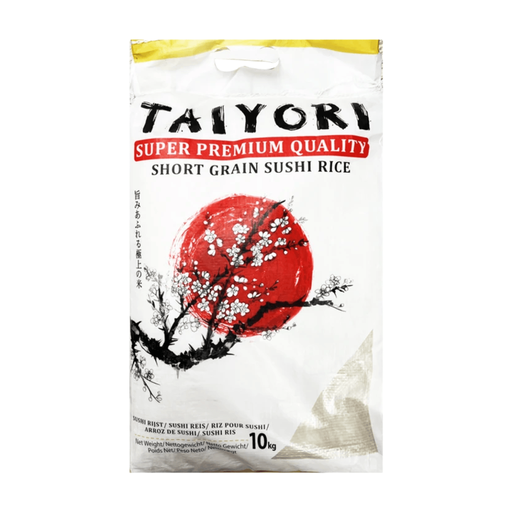
Why This Fits Their Persona: Ideal for families, shared households, or anyone who prepares sushi regularly. The 10kg bulk pack offers excellent value for money and ensures the most important ingredient is always in stock.
Buying in bulk ensures you can always rely on a high-quality, suitable sushi rice and don't have to resort to unsuitable supermarket alternatives out of necessity.
Cost-effective supply for frequent use. The rice has the necessary sticky texture for sushi and is versatile.
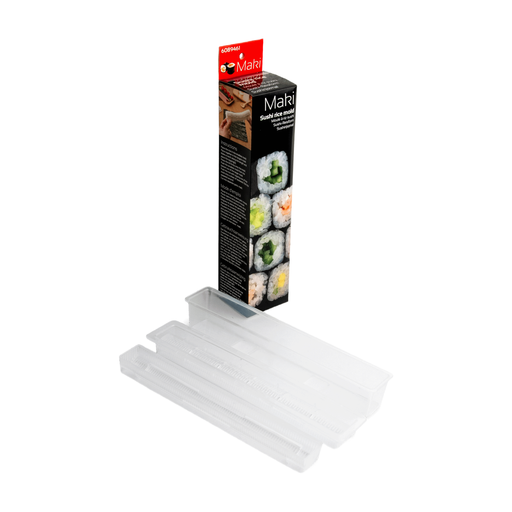
Why This Fits Their Persona: This tool is for anyone who values consistent, professional-looking results without having to perfect the rolling technique with a bamboo mat. It guarantees perfectly shaped hoso-maki every time.
It avoids the frustration that can arise from a low-quality or improperly used bamboo mat. Instead of uneven or loose rolls, this mould delivers consistent results.
Easy to use with clear instructions. Made in Japan from food-grade plastic. Easy to clean.
We have compiled a complete, up-to-date list of products that fully meet these strict selection criteria and safety standards.
1. What kind of rice is suitable for sushi? Only short-grain rice is suitable for sushi. It is characterized by a high starch content, which gives it the necessary sticky consistency after cooking. Look for product names like "sushi rice" or "Calrose rice". Long-grain rice is unsuitable for this purpose.
2. What is the difference between various nori sheets? Nori sheets differ in quality, thickness, colour, and degree of roasting. Higher-quality sheets (often labelled "Gold" or "A-Grade") are darker, thicker, and more flexible, which makes rolling easier. They also have a more delicate, less intense aroma. For maki rolls, good flexibility is crucial to prevent tearing.
3. Do I need a special sushi vinegar? Yes, the rice must be seasoned to achieve the characteristic sushi flavour. You can make a mixture of rice vinegar, sugar, and salt yourself. A more convenient and flavour-consistent alternative is a ready-made sushi vinegar (Sushi Seasoning). Products like those from Kikkoman or Mizkan offer a balanced seasoning mix that just needs to be mixed into the cooked rice.