
Lieferung heute & morgen

Qualitätsgarantie

Willkommens-Angebote freischalten: KOSTENLOSE Lieferung | Bis zu 80 % RABATT | Kostenlose 30-Tage-JoyPlus-Testphase
App herunterladen
Making sushi at home is a rewarding experience that elevates the enjoyment of Japanese cuisine to a personal level. However, the path to the perfect roll is often paved with unsuitable products and empty marketing promises. Many home chefs invest in ingredients and tools that hinder their results rather than improve them. This guide highlights the most common pitfalls and explains the core features that truly matter for a successful outcome.
Before you fill your shopping cart, you should know the typical buying mistakes that lead to frustration in the kitchen. An informed choice is the first step toward authentic sushi.
To avoid these mistakes, focus on the critical product characteristics. The quality of a few, correct components is more important than a wide array of accessories.
The key to great sushi is the rice. When buying sushi rice, look exclusively for short-grain rice or medium-grain rice. These varieties have a high starch content, which creates the characteristic, slightly sticky consistency when cooked. After cooking, the rice should be fluffy but hold together well, allowing it to be shaped. Products like Taiyori Sushi Rice are specially selected for this purpose. The grains swell without becoming mushy, providing the ideal foundation for nigiri and maki.
Nori sheets are roasted seaweed and the framework for every maki roll. Their quality can be identified by three characteristics:
Instead of an overloaded kit, three components are essential:
Depending on your experience and ambition, different products are suitable. Here are some recommendations tailored to common user profiles.
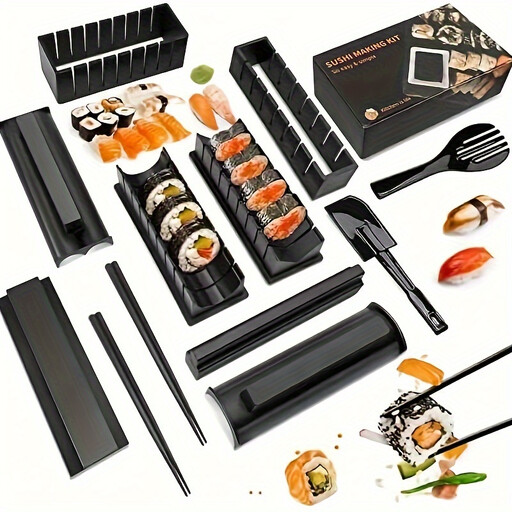
Why This Fits Their Persona: This kit is ideal for anyone wanting to try rolling sushi for the first time without immediately investing in individual, more expensive components. It contains the basic tools to get familiar with the process.
It bypasses the trap of unnecessary gadgets by focusing on essential shaping aids and a mat, rather than complex but impractical tools.
Offers a cost-effective entry point. All the necessary shaping tools for your first attempts are included.
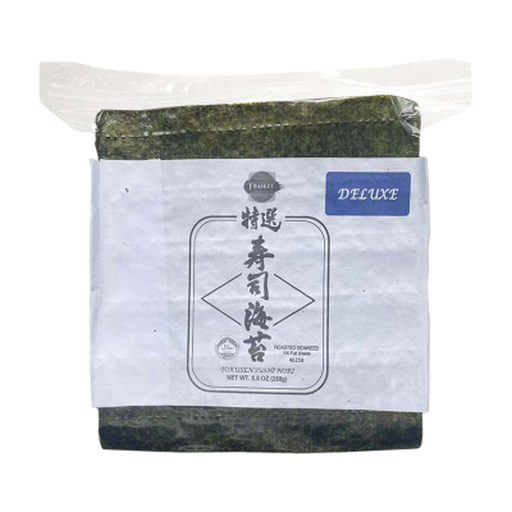
Why This Fits Their Persona: For chefs who value authentic flavour and hassle-free preparation. These nori sheets provide the quality needed for a first-class result that stands out from standard products.
Directly addresses the pitfall of low-quality nori sheets. The "Deluxe" quality ensures stability when rolling and an intense, savoury flavour (umami).
Thick, uniform sheets with a deep black colour. The bulk pack of 100 sheets offers excellent value for money for regular use.
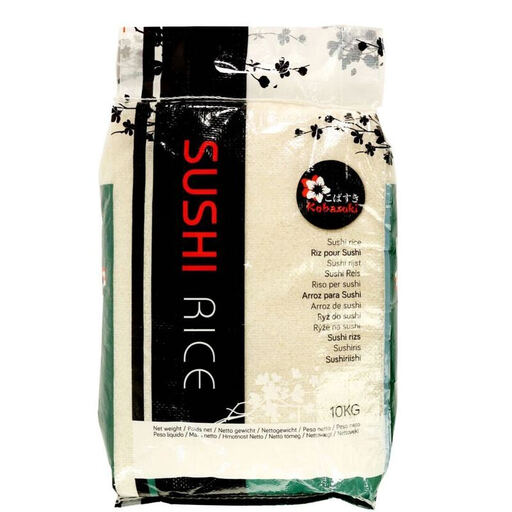
Why This Fits Their Persona: Those who prepare sushi regularly and in large quantities will benefit from a bulk pack. This is more economical and ensures the most important ingredient is always on hand.
It solves the problem of constantly buying small, often more expensive 1 kg bags. It's a deliberate choice for a high-quality base ingredient in a practical quantity.
Selected premium short-grain rice with excellent stickiness. The 10 kg package offers a significant price advantage per kilogram.
We have compiled a complete, up-to-date list of products that fully meet these strict selection criteria.
1. What kind of rice is suitable for sushi? Only short-grain rice or medium-grain rice is suitable for sushi. These varieties contain the necessary starch to become sticky after cooking and hold their shape. Long-grain rice, such as basmati or jasmine, is unsuitable as it remains too loose.
2. Can you roll sushi without a sushi mat? In theory, it's possible to form a roll using cling film and a kitchen towel, but the result is often uneven. A bamboo sushi mat (makisu) is inexpensive and allows you to apply even pressure to form a firm, compact roll. It is a highly recommended tool for beginners.
3. How do you season sushi rice correctly? The cooked, still-warm rice is seasoned with a mixture of rice vinegar, sugar, and salt. A ready-made sushi seasoning, such as those from Kikkoman or Mizkan, significantly simplifies this step. The liquid is gently folded into the rice with a rice paddle until all the grains are coated. The rice should then cool to room temperature before being used.