
Lieferung heute & morgen

Qualitätsgarantie

Willkommens-Angebote freischalten: KOSTENLOSE Lieferung | Bis zu 80 % RABATT | Kostenlose 30-Tage-JoyPlus-Testphase
App herunterladen
Recreating authentic Japanese dishes at home can be a challenge, especially when it comes to achieving the deep, complex flavor known as umami. The foundation for this taste is dashi, a traditional Japanese broth. For those seeking a convenient yet flavorful solution, Hondashi—an instant dashi powder—is a staple in many Japanese kitchens.
This guide will help you understand the different types of Hondashi and find the right product for your culinary needs, whether you're making a classic miso soup, a rich ramen broth, or simply need a versatile umami seasoning.
Choosing the right dashi powder depends on your taste preferences and dietary requirements. Here are a few key points to consider when making your decision.
The main ingredients determine the dashi's flavor profile.
Consider which dishes you'll primarily use the dashi powder for. For a classic miso soup base, Katsuo Dashi is often the traditional choice. For lighter dishes or if you need a vegan alternative, Kombu Dashi is the right option. The dosage is typically straightforward and indicated on the packaging; often, one teaspoon is enough for a single serving of soup.
Read the ingredient list carefully. Many Hondashi products contain lactose (milk) in addition to fish. For individuals with allergies or specific dietary needs, such as a vegan diet, it is essential to choose a product free from animal-derived ingredients. The product labeling provides reliable information on this.
Here is a selection of Hondashi products that cater to different needs and flavor profiles.
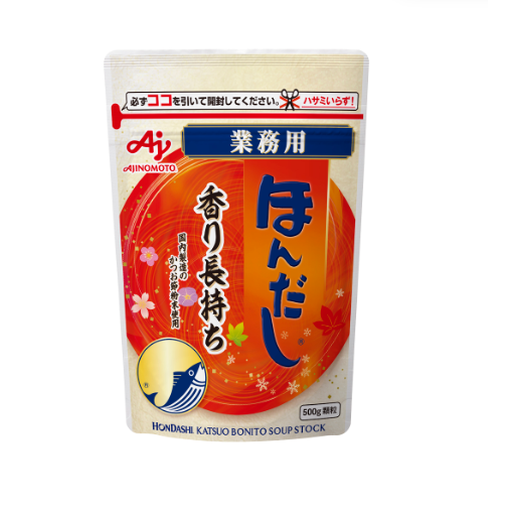
Why It's a Great Choice This product is the classic among dashi powders, based on carefully selected bonito flakes. It delivers an intense and authentic bonito aroma that serves as the benchmark for many Japanese broths.
Benefits
Who It's For For cooks seeking the pure, robust flavor of classic bonito dashi. It's the ideal miso soup base and perfect for anyone who appreciates traditional Japanese taste without compromise.
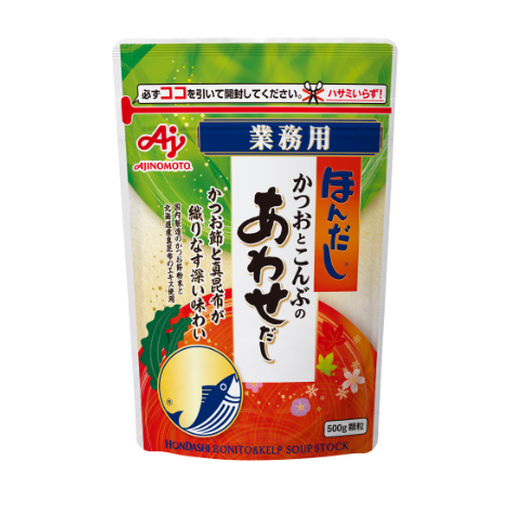
Why It's a Great Choice This version combines the smoky depth of Katsuo Dashi with the gentle sweetness of Kombu Dashi. The result is an exceptionally balanced and complex umami profile that lends remarkable depth to dishes.
Benefits
Who It's For For home cooks and professionals looking for a versatile all-rounder. This combination is excellent for noodle soups (ramen, udon), hot pots (oden), and any dish where a harmonious blend of different umami notes is desired.
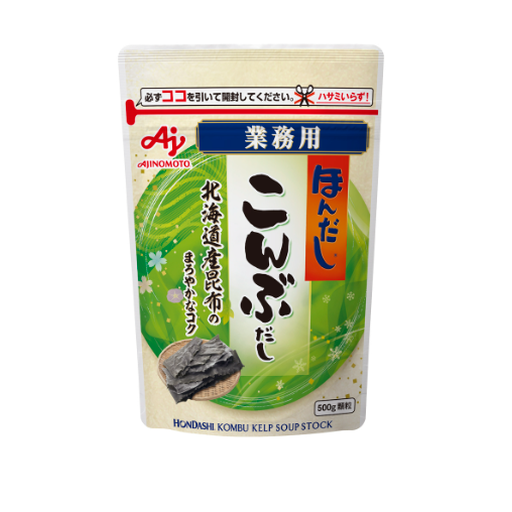
Why It's a Great Choice This dashi powder is made exclusively from high-quality kombu kelp. It is free of fish and other animal products, delivering a pure, mild umami. This makes it the ideal vegetarian dashi alternative.
Benefits
Who It's For For vegetarians, vegans, and anyone who prefers a fish-free Japanese broth. It is excellent for clear soups, seasoning vegetables, marinades, or as a base for vegan ramen.
If you're looking for other specific ingredients for your Japanese cooking—from soy sauces and mirin to specialty noodles—you might find what you need in our wider selection.
Explore Our Entire Range of Japanese Products
1. What is the difference between dashi and Hondashi? Dashi is the general term for a Japanese broth, traditionally made by simmering ingredients like bonito flakes or kombu kelp. Hondashi is a brand name from the manufacturer Ajinomoto for an instant dashi powder that greatly simplifies the process. You simply dissolve the powder in hot water to get a ready-to-use broth.
2. How do you use Hondashi dashi powder? It's very simple to use. As a general guideline for a soup base, such as a miso soup base, dissolve about 1 gram (approx. ? teaspoon) of Hondashi powder in 150 ml of hot water. For stir-fries or stews, the powder can be added directly as an umami seasoning. You can find precise dosage recommendations on the product packaging.
3. Is Hondashi vegetarian? Not all Hondashi varieties are vegetarian. The classic products are based on bonito flakes (fish). However, there are variants explicitly labeled as vegetarian dashi, such as Ajinomoto Hondashi Kombudashi, which is made exclusively from kelp and contains no animal-derived ingredients. Checking the ingredient list is crucial here.