
Lieferung heute & morgen

Qualitätsgarantie

Willkommens-Angebote freischalten: KOSTENLOSE Lieferung | Bis zu 80 % RABATT | Kostenlose 30-Tage-JoyPlus-Testphase
App herunterladen
Honey in cosmetics is more than just a fleeting trend. Its moisturising and nourishing properties make it a prized ingredient in skin, hair, and lip care. However, not every product that advertises honey delivers on its promise. Many consumers invest in products that ultimately disappoint because they fall for common marketing traps. This guide will help you separate the effective from the ineffective and find the right honey cosmetics for your needs.
Before making a purchase, it's crucial to understand the typical pitfalls that often lead to unsatisfying results.
The "Honey Scent" Trap: Many products have a pleasant honey smell but contain only synthetic fragrances instead of real honey extract. A look at the ingredients list (INCI) is essential here. If "Parfum" or "Fragrance" appears high up, but "Mel" (Honey) or related extracts like Propolis or Royal Jelly are missing or listed at the very end, the nourishing effect is likely minimal. You are essentially buying a perfumed product without the actual benefits of honey.
Misleading "Natural" Labels: The term "natural cosmetics" is not strictly legally defined. A product can be marketed as "natural" even if it contains only a small percentage of natural ingredients, with the rest being synthetic components. Instead of relying on marketing claims, you should examine the product's composition to ensure that the valuable active ingredients are present in a relevant concentration.
To ensure you're getting an effective product, you should check three core criteria. These will help you objectively evaluate the quality and suitability of skincare with honey.
The INCI list (International Nomenclature of Cosmetic Ingredients) details all of a product's components in descending order of concentration.
Honey isn't the only valuable ingredient from the beehive. Each substance has specific properties suited for different care needs.
The effectiveness of honey also depends on the other ingredients it's combined with. A good formulation enhances its positive effects. Look for synergistic ingredients such as:
For dry skin, avoid products where drying alcohols (e.g., Alcohol Denat.) are listed high up on the INCI list.
Based on the criteria above, we have identified several products suitable for specific user profiles and needs.
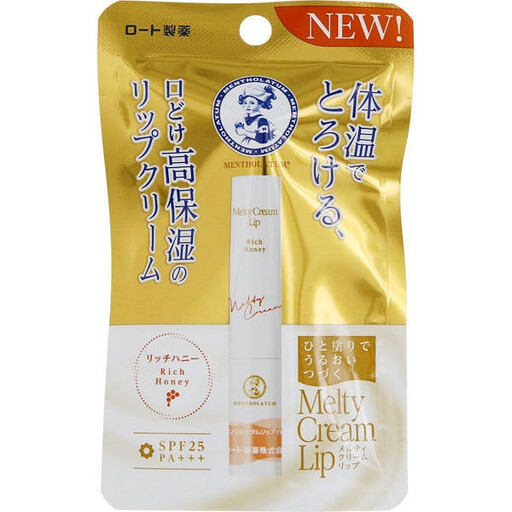
Why This Fits Their Persona: Ideal for daily use, this balm combines intensive lip care with honey and essential UV protection. The melting texture is pleasant and convenient for on-the-go application.
The formulation contains genuine active ingredients like Honey and Royal Jelly Extract, which are listed before the fragrance in the INCI list. This is not just a honey-scented product.
Combines moisture from ceramides and squalane with sun protection (SPF25 PA+++), which shields the lips from UV damage.
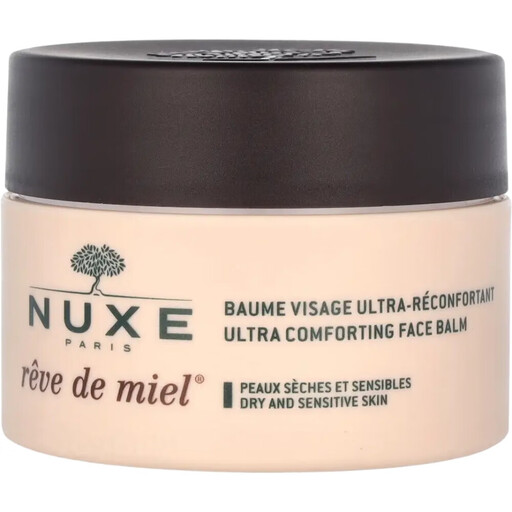
Why This Fits Their Persona: This rich balm is specifically designed for the needs of dry and sensitive skin. It provides intense comfort and helps to soothe tightness and redness.
The formula combines honey, propolis, and precious oils. According to the manufacturer, 92.9% of the ingredients are of natural origin, indicating a conscious selection of components rather than just relying on a "natural" appearance.
The ultra-rich balm texture acts as a protective shield against external aggressors and offers immediate relief from skin irritation and dryness.
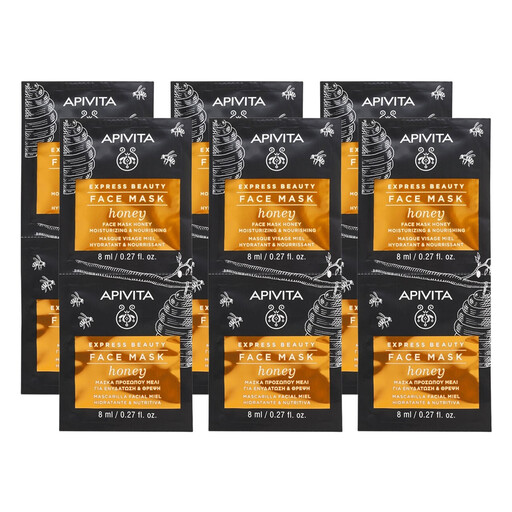
Why This Fits Their Persona: This honey face mask is perfect for a weekly care ritual. It delivers a concentrated boost of moisture and is designed for users seeking a targeted treatment to improve skin texture and elasticity.
The main active ingredient, Mel/Honey/Miel, is fifth on the INCI list, indicating a relevant concentration. The brand also highlights the origin of the honey (Greek thyme honey), which suggests a careful selection of raw materials.
The formula is enriched with jojoba oil, shea butter, and hyaluronic acid to maximise the moisturising effect of the honey and intensely nourish the skin.
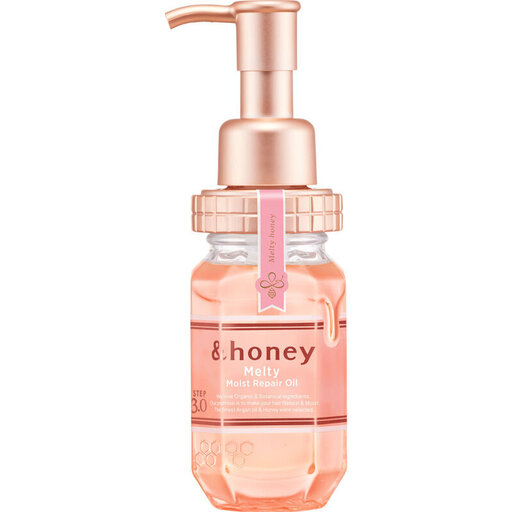
Why This Fits Their Persona: This hair oil is specifically designed for wavy and curly hair that is prone to frizz. It offers a targeted solution to balance the hair's moisture levels, promoting shine and smoothness.
The formula contains a variety of honey-based ingredients (Honey, Royal Jelly Extract, Honey Extract, Propolis Extract, Hydrolyzed Honey Protein) that are prominently placed on the INCI list. This confirms the focus on genuine bee products.
According to the manufacturer, over 90% of the formula consists of moisturising and protective ingredients, including argan oil and hyaluronic acid, to effectively control frizz.
We've compiled a complete, up-to-date list of products that fully meet these strict selection criteria and relevant safety regulations.
Generally, yes. Care for dry skin benefits the most from honey's moisturising properties. For normal skin, it helps maintain the moisture balance. Those with oily or acne-prone skin might prefer products with Propolis, as this ingredient is known for its soothing and protective properties. If you have a known allergy to bee products or pollen, you should perform a patch test on an inconspicuous area before use.
Although they all come from the beehive, they have different focuses:
The most reliable indicator is its position in the INCI list on the product packaging. Ingredients are listed in descending order of their concentration. If Mel (Honey) or Honey Extract is listed among the first ingredients after water (Aqua) and basic carrier ingredients like glycerin, the concentration is relevant. If it's at the end of the list, the effect is negligible.