
Lieferung heute & morgen

Qualitätsgarantie

Willkommens-Angebote freischalten: KOSTENLOSE Lieferung | Bis zu 80 % RABATT | Kostenlose 30-Tage-JoyPlus-Testphase
App herunterladen
Depending on the formulation, a honey face mask can provide moisture, leave the skin feeling softer or complement a regular skincare routine. However, the honey content alone does not determine whether a mask is right for your skin. Texture, application, fragrance, additional active ingredients and format are at least as important.
Especially with Korean and Japanese products, numerous marketing claims can make comparisons difficult. The following selection by the Joybuy Product Recommendation Officer therefore focuses on transparent product details and common purchasing risks.
Honey, propolis and royal jelly are often promoted as intensive skincare ingredients. These bee-derived ingredients may be appealing for many skin types, but they are not suitable for everyone. Anyone sensitive to bee products, certain botanical extracts or fragrances should check the complete INCI list and perform a patch test first.
With a propolis face mask, it is also important to check whether propolis appears near the top of the ingredient list or is present only in a small amount. Percentage claims should always be verified directly on the product packaging or in the official product information.
A sheet mask with honey, glycerin or hyaluronic acid is primarily designed to leave the skin feeling more hydrated. A clarifying clay mask containing kaolin, bentonite or marine minerals follows a different skincare approach and may feel quite different on combination or oily skin.
Dry skin does not necessarily benefit from a clay formula that remains on the skin until it dries fully. Conversely, a very rich overnight honey mask may feel too heavy for people whose skin becomes shiny quickly.
Individual sheet masks are convenient for occasional use, but they can cost more per application. Multipacks containing 10 or 30 masks are well suited to regular routines, but they require dry, temperature-stable storage. A cream or gel mask in a jar offers multiple applications, but clean hands or a spatula are essential.
For a face mask for dry skin, humectants such as glycerin, sodium hyaluronate or panthenol, along with nourishing oils and butters, are useful points of reference. A nourishing honey mask may also contain propolis or royal jelly. For sensitive skin, a streamlined formula without unnecessary fragrance is preferable, together with a patch test before use.
An anti-ageing face mask should not be purchased based on this term alone. Instead, look for specific ingredients such as ceramides, squalane or retinyl palmitate, and follow the application instructions carefully. Cosmetic products do not alter medical skin conditions.
Check the following before purchasing:
Cosmetics sold in Germany must meet the requirements of the EU Cosmetics Regulation (EC) No. 1223/2009. This does not replace the need to check the ingredients and usage instructions yourself.
A sheet mask is generally applied for 10 to 20 minutes. It should not remain on the face longer than stated, as the material may become uncomfortable as it dries. Wash-off products are rinsed off with lukewarm water after the recommended application time. An overnight mask remains on the skin as the final step of the evening routine.
Pay attention to:
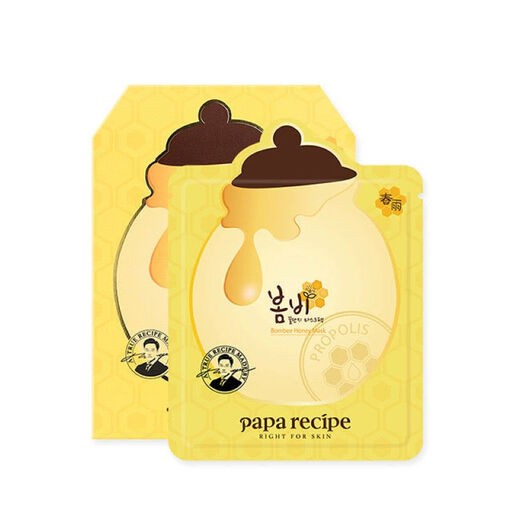
Why it is a good fit: A pack of 10 is ideal for anyone who wants to try a Korean face mask regularly without committing to a larger multipack straight away.
The clearly stated sheet-mask format makes application and product usage easy to plan. The listed application time is 20 to 30 minutes.
Honey and propolis extract, ten individually packaged masks and a straightforward application after cleansing the face.
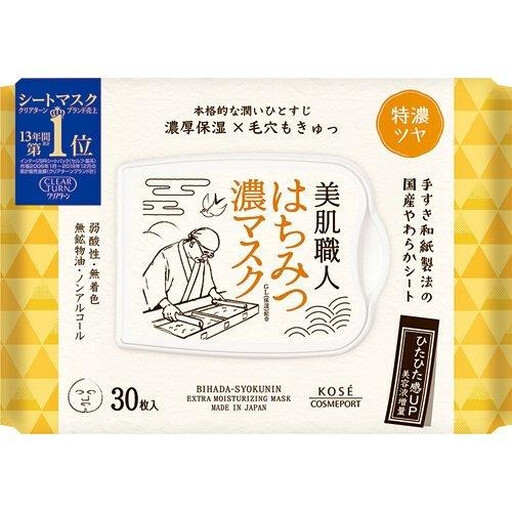
Why it is a good fit: The 30-piece format is designed for frequent use and may suit anyone planning facial care as a regular part of their routine.
The recommended application time is around ten minutes, making it easier to incorporate the mask into a daily routine.
30 sheet masks, honey listed among the ingredients and a short application with no need to rinse off the remaining essence.
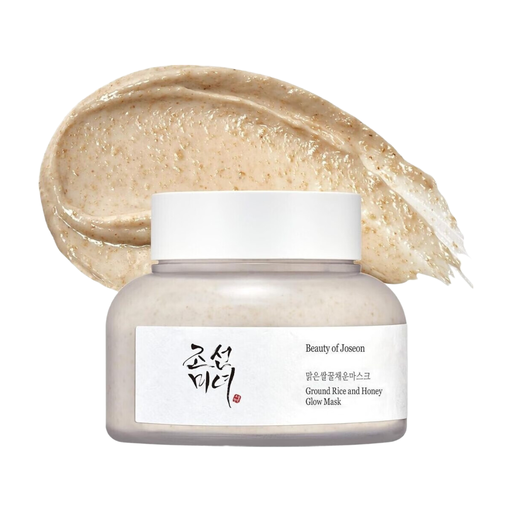
Why it is a good fit: This wash-off mask combines honey with rice powder and kaolin, making it suitable for those who prefer a weekly treatment with a creamy texture.
The 15- to 20-minute application time and subsequent rinsing are clearly described. On sensitive skin, keep the amount of mechanical massage to a minimum.
150 ml of product, honey, glycerin, rice powder and kaolin. According to the product information, it is intended for a weekly skincare routine.
Our complete selection features a range of products for different skin types, textures and skincare routines.
This depends on the format and the manufacturer’s instructions. Sheet masks are often used once or several times a week, while clay or exfoliating masks are generally intended for less frequent use. If your skin is sensitive or dry, begin with one application per week and monitor how your skin responds.
There is no universal answer. Propolis is a bee product and may trigger a reaction in sensitive individuals. Check the INCI list, test the product on a small area of skin first, and do not use it on broken, inflamed or irritated skin.
The PAO symbol and the information on the packaging are decisive. An individual sheet-mask sachet should be used immediately after opening. Jars and tubes should be tightly closed and stored in a dry place away from direct sunlight.