
Lieferung heute & morgen

Qualitätsgarantie

Willkommens-Angebote freischalten: KOSTENLOSE Lieferung | Bis zu 80 % RABATT | Kostenlose 30-Tage-JoyPlus-Testphase
App herunterladen
Honey in skincare is not a new trend, but a treasured ingredient that has been valued for centuries. Its moisturising and soothing properties make it a popular component in face masks. However, the market is saturated with products whose marketing promises often outshine the skin's glow after use. Before making a purchase, it's crucial to understand the common pitfalls to avoid investing in a product that fails to meet your expectations.
The selection can be overwhelming, and many products leverage the positive association with honey without delivering corresponding performance. Here are two typical issues to watch for:
To make an informed decision, you should examine three core parameters. These will help you objectively evaluate product performance and find a mask that truly suits your skin's needs.
Not all bee products are created equal. Their specific properties determine the primary effect of the mask.
Check the INCI list: The higher these ingredients are listed, the higher their concentration typically is.
The type of mask influences the application and the intensity of the treatment.
A good honey mask often combines bee products with other active ingredients to achieve targeted results.
Based on the criteria above, we have identified several products suitable for different needs and use cases.
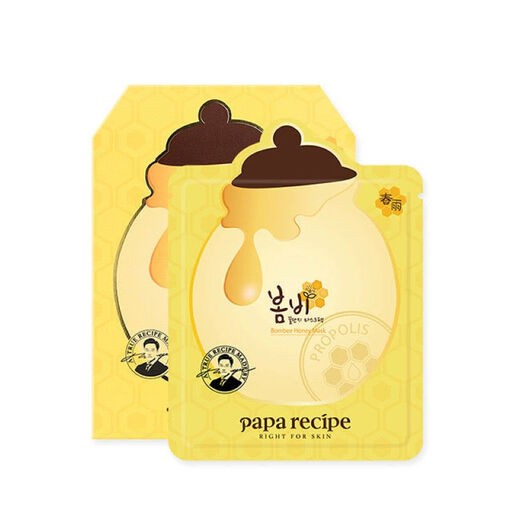
Why This Fits Their Persona: Ideal for anyone looking for uncomplicated and effective hydration. The sheet mask is easy to use and delivers quick, visible results, making it perfect for an introduction to the world of K-Beauty masks.
The formula lists honey and propolis extract high on the INCI list. The sheet mask format prevents a sticky experience and ensures clean, targeted delivery of active ingredients.
Offers great value in a 10-pack. The formula reliably provides intense moisture and leaves the skin feeling plump.
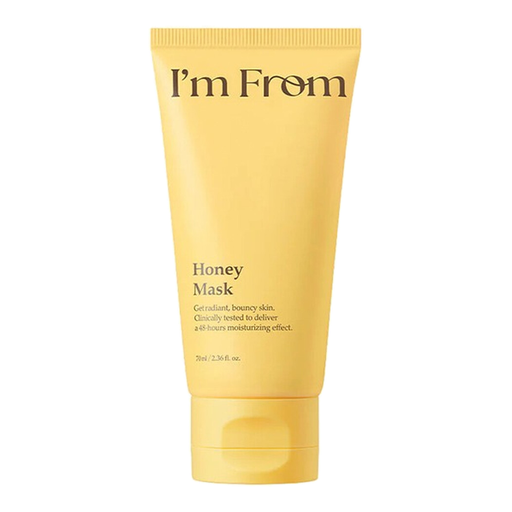
Why This Fits Their Persona: Perfect for users seeking intensive nourishment. This rich cream mask aims to improve skin elasticity and restore a healthy glow to dull skin.
The formulation is transparent: according to the manufacturer, it contains 38.7% pure, natural honey from the Jirisan region of Korea. This is a clearly declared, high concentration of the active ingredient, not an empty marketing promise.
The very high honey concentration ensures maximum nourishment. The application time can be extended up to one hour for a particularly intensive treatment.
We have compiled a complete, up-to-date list of products that fully meet these strict selection criteria and current regulations.
1. How often should you use a honey mask? The frequency of use depends on the mask type and your skin condition. Moisturising sheet masks can be used 2-3 times a week. Richer cream or sleeping masks are generally recommended 1-2 times a week. Always follow the manufacturer's instructions on the product packaging.
2. Is a honey mask suitable for oily or acne-prone skin? Yes, a propolis mask in particular can be beneficial for this skin type. Propolis is valued for its soothing properties. Choose a lightweight formulation, such as a sheet mask or a gel mask, to avoid further burdening the pores. For active acne or skin conditions, a dermatologist should be consulted before using new products.
3. What is the difference between a honey mask and a propolis mask? Although both come from bees, they have different focuses. A honey mask primarily concentrates on providing and retaining moisture. A propolis mask, on the other hand, focuses on the soothing, protective, and regenerative properties of propolis. Many products combine both ingredients to benefit from the advantages of each.