
Lieferung heute & morgen

Qualitätsgarantie

Willkommens-Angebote freischalten: KOSTENLOSE Lieferung | Bis zu 80 % RABATT | Kostenlose 30-Tage-JoyPlus-Testphase
App herunterladen
Honey in skincare is more than just a trend. The popularity of products like the Honey Mask remains as high as ever, but the vast selection makes choosing the right one difficult. Many products advertise this golden ingredient, but not every formula delivers on its promise. Before you make a purchase, it's crucial to understand the common pitfalls that often lead to disappointment and unnecessary spending.
As your Joybuy Product Recommendation Officer, I'm here to help you separate marketing hype from fact. In this guide, I'll show you what to look for to find a nourishing face mask that truly suits your skin's needs.
The market is flooded with products that advertise natural ingredients. But this is precisely where costly mistakes can happen.
To avoid a bad purchase, you should focus on objective features. These three parameters will help you assess the quality of a honey mask.
The order of ingredients on the packaging is regulated by law and listed in descending order of concentration. For an effective nourishing face mask, key active ingredients like Honey Extract, Propolis Extract, or Royal Jelly Extract should appear as high up as possible—ideally within the first five to seven ingredients. This signals a meaningful concentration.
Honey masks come in various formats, each suited for different needs and skin types:
Honey alone is hydrating. However, when combined with other ingredients, its effects can be specifically enhanced.
Instead of making a one-size-fits-all recommendation, we have selected products for specific user profiles.
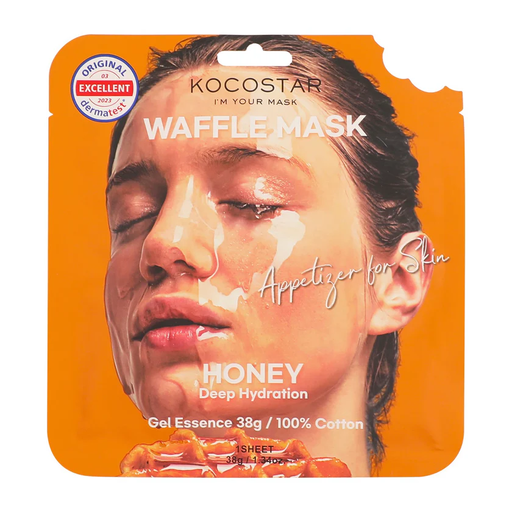
Why This Fits Their Persona: Ideal for users seeking a simple and fast solution for an instant moisture boost. Perfect before a special occasion or as a weekly pampering ritual without having to commit to a large product long-term.
This sheet mask bypasses the "Texture Deception." Instead of a heavy cream, it delivers a lightweight gel serum that hydrates the skin without feeling heavy or sticky.
The mask is soaked in 38g of essence, a generous amount for intense hydration. Honey extract is supplemented by aloe, avocado, and kiwi.
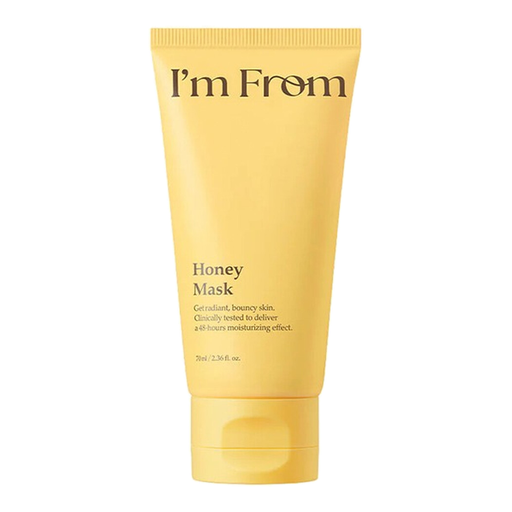
Why This Fits Their Persona: Suitable for users with dry, dull, or mature skin who are looking for a rich, nourishing treatment. This wash-off mask offers a luxurious at-home spa experience.
This product clearly avoids the "Token Ingredient" trap. According to the manufacturer, the formula contains 38.7% pure, natural honey from the Jirisan region of Korea. Honey is the first ingredient on the INCI list.
The high content of real honey provides an intensive supply of nutrients and moisture. The formula also contains nourishing oils like macadamia and jojoba oil.
We have compiled a complete, up-to-date list of products that fully meet these strict selection criteria and comply with current regulations.
The frequency of use depends on the mask type and your skin condition. Generally, using it 1 to 3 times a week is recommended. Sheet masks can be used more often if needed, while richer wash-off or overnight masks may be sufficient less frequently to avoid over-treating the skin. Always follow the manufacturer's instructions on the packaging.
Honey and propolis are known for their soothing properties, which is why many honey masks are also suitable for sensitive skin. Nevertheless, caution is advised. Always check the full INCI list for potentially irritating substances like fragrances or certain plant extracts. Special caution is advised for those with a known sensitivity or allergy to bee products (e.g., bee venom). A patch test on the inner arm before the first facial application is always good practice.
Although both ingredients come from the beehive, they have different primary functions. Honey is primarily a humectant, meaning it attracts and binds moisture in the skin. It is therefore ideal for a hydrating mask. Propolis, on the other hand, is a resin that bees produce to protect their hive. In skincare, it is valued for its soothing, repairing, and balancing properties. A Propolis Mask is therefore often a great choice for stressed, red, or blemish-prone skin. Many products combine both ingredients to benefit from the advantages of each.