
Lieferung heute & morgen

Qualitätsgarantie

Willkommens-Angebote freischalten: KOSTENLOSE Lieferung | Bis zu 80 % RABATT | Kostenlose 30-Tage-JoyPlus-Testphase
App herunterladen
Dry, sensitive or stressed skin doesn’t automatically need an extra-rich cream. With honey and propolis skincare, what matters is finding the texture, formulation and application that suits your own routine. Terms like “Barrier Cream”, “Royal Honey” or “Bee Venom” sound convincing, but on their own they tell you very little about whether a product is actually right for you.
If you’re looking for Korean skincare or natural, bee-based active ingredients, it’s worth knowing three common marketing pitfalls: high percentage claims without context, unsuitable fragrances for sensitive skin, and products that are intensely nourishing but don’t fit into daily use.
A cream with 50 or 63 percent propolis or honey extract might seem particularly concentrated at first glance. However, what really matters is the full INCI list. Solvents, humectants, oils, silicones, fragrances and preservatives all affect how the product feels on the skin and how well it’s tolerated.
For the SKINFOOD Royal Honey Propolis Enrich Barrier Cream, the product information states 50 percent fermented propolis extract, 5 percent royal jelly extract and 5 percent honey extract. These figures should be understood as a product feature, not as automatically proven efficacy.
Honey, propolis, royal jelly and beeswax are natural ingredients. However, they can still cause unwanted reactions in people with a known allergy to bee products. Essential oils and fragrances can also be relevant for sensitive skin.
Before applying a product to a large area, it’s advisable to do a patch test on a small area of skin. If you experience redness, itching or stinging, stop using the product. If you have a known allergy to bee stings or bee products, extra caution is needed before use.
An intensive moisturiser can fit well into a routine for dry skin. But if you’re also using a rich toner, an essence, a serum and an occlusive cream at the same time, the texture can feel heavy or sticky. That’s why the order of application is key when choosing products:
For very sensitive skin, a short routine with just a few products is often easier to manage than immediately combining several active-ingredient formulas.
Check whether the advertised active ingredient actually appears in the INCI list and where it’s positioned. A high position indicates a larger proportion within the formula, but it doesn’t directly tell you about the cosmetic effect.
The names Royal Honey Propolis Cream, Propolis Barrier Cream, Propolis Toner and Propolis Essence also describe different product types. A toner is usually lighter than a cream; an essence often sits somewhere between a toner and a serum.
For skincare for dry skin, ingredients like glycerin, sodium hyaluronate or beta-glucan are worth looking out for, as they’re used in cosmetic formulations to help bind moisture. Rich creams often also contain oils, shea butter, waxes or silicones.
If you want to support the skin barrier, you should also choose a gentle, non-stripping cleanser and a suitable cream. A cosmetic formulation can help the skin feel more supple, but medical or therapeutic claims can’t be inferred from it.
For skincare for sensitive skin, it’s worth checking for parfum, limonene, linalool, citral or essential oils. These ingredients aren’t automatically unsuitable, but they may need extra consideration for sensitive skin.
Products with bee venom cream or bee venom should only be used if you don’t have a known allergy to bee stings or bee products. For formulas containing retinol, always follow the manufacturer’s instructions; daytime use requires suitable sun protection.
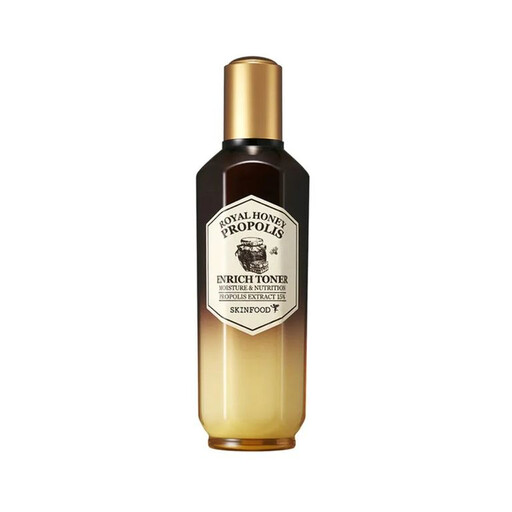
Why this product fits the profile: This lightweight toner is a good, easy-to-manage introduction to Korean skincare. According to the product information, it contains propolis, honey and royal jelly extracts, as well as glycerin and ceramides.
The liquid texture reduces the risk of starting straight away with a very heavy cream. However, the ingredients list should still be checked because it contains alcohol and essential oils.
160 ml size, easy to apply after cleansing, and ceramides listed in the INCI.
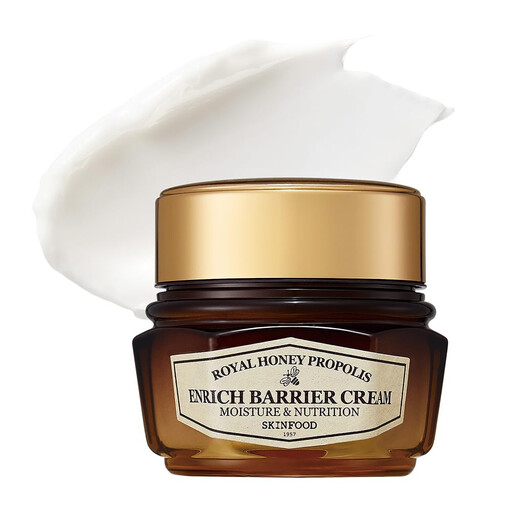
Why this product fits the profile: This rich Royal Honey Propolis cream is described as suitable for dry, sensitive and normal skin. It’s a good choice for anyone who prefers a nourishing final cream in the evening.
The product information clearly states the extracts it contains and the 63 ml size. This makes it easier to match the choice to your own routine and usage.
50 percent propolis extract according to the product information, plus honey and royal jelly extract, and a creamy texture that’s described as easy to spread.
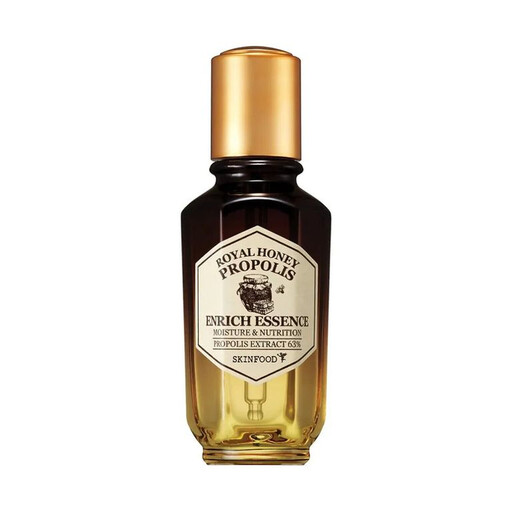
Why this product fits the profile: According to the product information, this essence is aimed at dry, sensitive and stressed skin. Its lightweight consistency can be slotted between toner and cream in a multi-step routine.
The product description mentions 63 percent propolis extract as well as beta-glucan, glycerin and sodium hyaluronate. This means the formula can be assessed based on several ingredients rather than just one marketing term.
50 ml size, lightweight essence texture, and according to the product information, 10 percent honey and 10 percent royal jelly extract.
We’ve put together a full, regularly updated list of products that meet these strict selection criteria and fully comply with EU safety regulations.
For dry lips, a beeswax lip balm can be a useful addition. The Burt’s Bees Lip Balm Duo Gift Box contains, according to the product description, an unscented and a tinted lip balm with beeswax, coconut oil, shea butter and vitamin E. The set also contains lanolin, which can cause allergic reactions in some people.
With products containing bee venom, individual tolerance should be checked particularly carefully. The Rodial Bee Venom Moisturizer, Eye Cream and Night Cream contain bee venom according to their respective product information. The Night Cream also contains retinol. Such formulas shouldn’t be added to an existing routine without checking the warnings and usage recommendations.
That depends on the full formulation and your individual tolerance. Propolis, honey and royal jelly aren’t automatically irritation-free. For sensitive skin, you should check for fragrances, essential oils, alcohol and known allergens. A patch test before first use is a good idea.
A propolis toner is usually used straight after cleansing and often has a thinner texture. A propolis essence is often slightly more concentrated or gel-like and comes after the toner. However, the exact classification depends on the individual product. The usage instructions and INCI list are what really matter.
Follow the jar symbol printed on the packaging, the best-before date and the packaging itself. Store products in a cool, dry place away from direct sunlight. Changes in smell, colour or consistency can be a reason to stop using the product.