
Lieferung heute & morgen

Qualitätsgarantie

Willkommens-Angebote freischalten: KOSTENLOSE Lieferung | Bis zu 80 % RABATT | Kostenlose 30-Tage-JoyPlus-Testphase
App herunterladen
A good hoodie is more than just an item of clothing—it's a reliable companion for everyday life, weekends, and relaxing at home. But the search for the perfect model can quickly become overwhelming. Many hoodies that look promising in-store or online turn out to be a bad investment after only a short time. As your Joybuy Product Recommendation Officer, I'm here to help you recognise the common pitfalls and make an informed decision.
Before we dive into the key features, let's highlight the three most common problems that lead to disappointment:
To avoid these problems, you should focus on three objective criteria before buying. These will help you assess the quality of a hoodie or a zip-up hoodie, regardless of marketing claims.
The material blend is crucial in determining the feel, durability, and care requirements of the garment.
The weight of the fabric, given in grams per square metre (g/m? or GSM), is a reliable indicator of the material's density and thickness.
A good cut ensures both comfort and a flattering silhouette.
Here are a few recommendations tailored to different needs and profiles, all of which meet the quality criteria mentioned above.
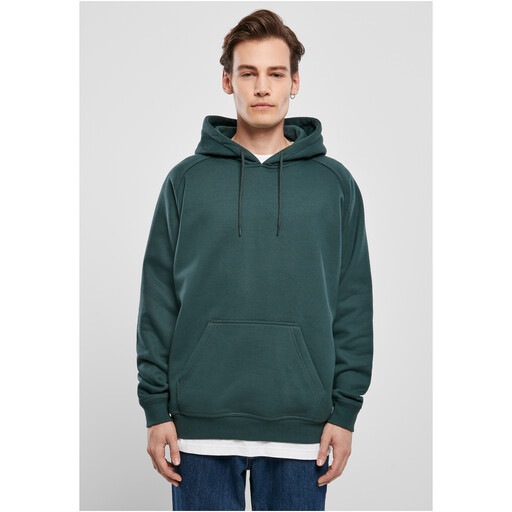
Why it's a great fit: Ideal for anyone looking for a reliable and straightforward hoodie for daily use. Its classic design makes it a versatile staple for a wide range of outfits.
The proven material blend of 65% cotton and 35% polyester resists pilling and loss of shape. The elastic ribbed cuffs ensure long-lasting stability.
Excellent value for money. The raglan cut also offers enhanced freedom of movement in the shoulder area.

Why it's a great fit: For anyone whose priority is maximum cosiness. This hoodie blanket is specially designed for relaxing on the sofa, reading, or for the home office on cold days.
The product is clearly positioned and doesn't pretend to be a fashionable everyday hoodie. According to the manufacturer, the dense 300 g/m? flannel is pilling and fade-resistant, designed for durability and maximum softness.
An extremely cosy hoodie that combines functionality and comfort. Practical details like the large hood, pockets, and elastic cuffs increase its utility. The material is Oeko-TEX Standard certified.
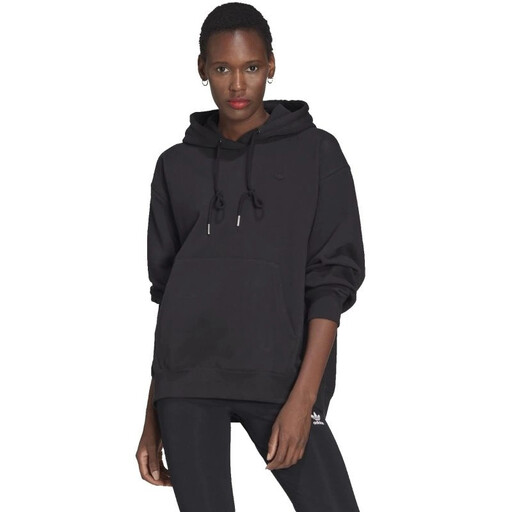
Why it's a great fit: For fashion-conscious wearers looking for a modern look. The intentional oversized hoodie cut is a clear style statement while also offering high comfort.
The fit here is a deliberate design choice, not a flaw. The high cotton content of 87% cotton and 13% polyester ensures a premium feel and breathability, which is often lacking in cheaper fashion hoodies.
A combination of brand quality and a modern cut. This women's hoodie is a statement piece that is not only fashionable but also comfortable and made from high-quality materials.
We have compiled a complete, up-to-date list of products that meet these strict selection criteria.
1. What does the g/m? rating on a hoodie mean? The "g/m?" (grams per square metre) or "GSM" (grams per square meter) specification describes the weight of the fabric. A higher number usually means a thicker, warmer, and often more durable fabric. For example, a hoodie with 330 g/m? is a solid all-rounder, while models over 380 g/m? are considered particularly heavy and suitable for winter.
2. How do I wash a hoodie correctly to prevent it from shrinking or pilling? To maximise your hoodie's lifespan, you should turn it inside out and wash it at a low temperature (30°C). Use a mild detergent and a low spin cycle. It's best to hang it up to air-dry instead of using a tumble dryer, as the high heat can cause shrinking and damage the fibres.
3. What is the difference between a hoodie and a zip-up hoodie? Both are sweatshirts with a hood. The main difference is the fastening. A classic hoodie is a pullover that you pull over your head. A zip-up hoodie (or hooded jacket) has a full-length zip on the front and can be worn open or closed like a jacket, which makes it a bit more versatile.