
Lieferung heute & morgen

Qualitätsgarantie

Willkommens-Angebote freischalten: KOSTENLOSE Lieferung | Bis zu 80 % RABATT | Kostenlose 30-Tage-JoyPlus-Testphase
App herunterladen
A cup of hot chocolate promises pure cosiness. But disappointment often follows when the expected full-bodied chocolate flavour gives way to a watery, overly sweet liquid. The hot chocolate market is confusing and filled with marketing claims that rarely deliver. As your Joybuy Product Recommendation Officer, I'm here to help you spot the common pitfalls and make an informed decision.
Many consumers unknowingly fall into the same traps:
To avoid falling for empty marketing claims, you should check three fundamental parameters before buying. These will help you objectively assess a product's quality.
The foundation of any good hot chocolate is the cocoa powder. There's a crucial but often overlooked difference here:
The choice depends on your preference: if you're looking for an intense, robust cocoa flavour, low-fat powder is a good choice. If you prefer a velvety, rich mouthfeel, look for high-fat varieties.
The order of ingredients is regulated by law and indicates which component is present in the largest quantity. For a high-quality hot chocolate, cocoa or cocoa powder should be as close to the top of the list as possible. If sugar is listed first, it's primarily a sweetener. Also, watch out for other fillers like glucose syrup, maltodextrin, or unspecified "flavourings," which often mask a lack of high-quality raw ingredients.
Your lifestyle will determine which form of hot chocolate is the best fit for you:
Based on these objective criteria, we have put together a selection of products suitable for different user profiles.
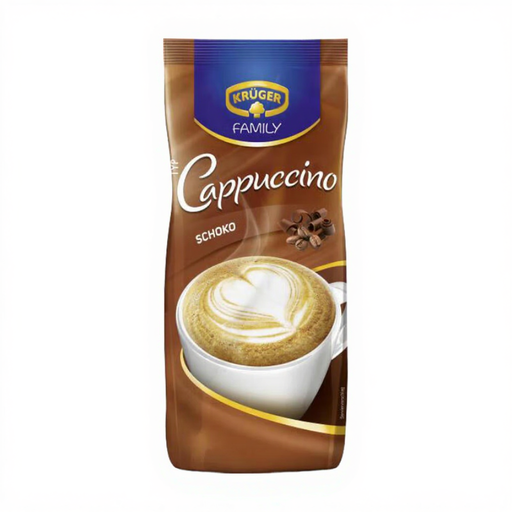
Why This Fits Their Persona: Ideal for households where speed is key. The 500g value pack offers a hassle-free solution for a creamy coffee break with a hint of chocolate that appeals to both adults and older children.
This product clearly positions itself as a sweetened choco cappuccino, not a pure cocoa product. It bypasses the sugar trap through transparency: it's designed for quick enjoyment where sweetness and creaminess are the priority.
Creates a stable foam layer without a machine. The combination of instant coffee and cocoa offers an all-in-one solution.
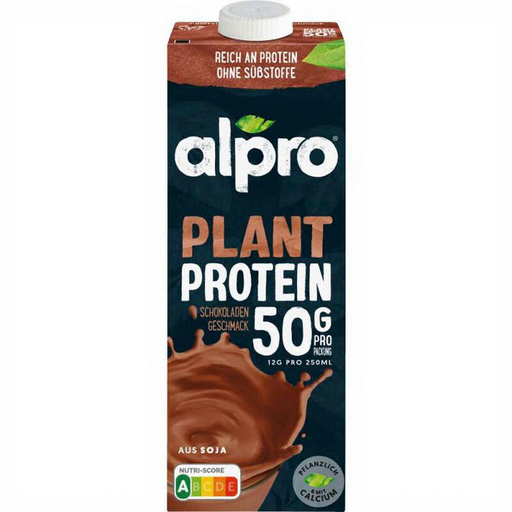
Why This Fits Their Persona: This ready-made protein cocoa is designed for active individuals looking for a chocolate-flavoured protein source post-workout or as a snack. It's ready to drink and requires no preparation.
The focus is clearly on its functional property (protein content), not pure indulgence. The nutritional information is transparent and tailored to its target audience of athletes, thus avoiding the sugar trap by highlighting a clear benefit.
Delivers 5.0g of plant-based protein per 100ml. It is naturally lactose-free and fortified with calcium and vitamins B2 and D2.
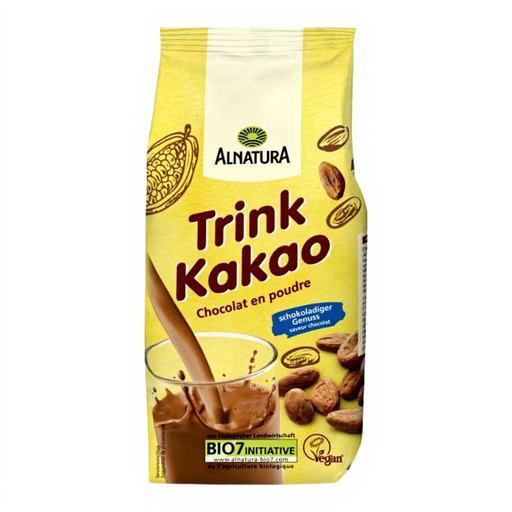
Why This Fits Their Persona: Perfect for anyone seeking an authentic, intense chocolate flavour who values organic ingredients. This powder can be dosed individually and is ideal for preparing a classic hot chocolate.
With just two ingredients—raw cane sugar and cocoa powder—the list is maximally transparent. The high organic cocoa content of 40% ensures a genuine chocolate taste, avoiding the trap of fillers and artificial flavours.
Certified organic quality (DE-?KO-001). The high cocoa content provides an intense flavour. Also suitable for vegan hot chocolate when prepared with plant-based milk.
We have compiled a complete, up-to-date list of products that meet these strict selection criteria.
To prevent lumps, first mix the cocoa powder with a small amount of warm (not boiling) liquid to form a smooth paste. Only then should you pour in the remaining liquid while stirring continuously. This works well with both milk and plant-based alternatives.
Cocoa powder is the pure, unsweetened product obtained from roasted and ground cocoa beans. Drinking chocolate (or a hot chocolate mix) is a ready-made blend that, in addition to cocoa powder, typically already contains sugar and often milk powder or other additives like emulsifiers to improve solubility.
For dry powder mixes, the date shown is a best-before date, not a use-by date. If the powder has been stored in a dry, dark, and well-sealed container, it is often still safe to consume after the best-before date has passed. However, it may lose some of its flavour over time. Before use, check the product for clumps, an unusual smell, or signs of moisture. For ready-to-drink beverages, the use-by date should be strictly followed.