
Lieferung heute & morgen

Qualitätsgarantie

Willkommens-Angebote freischalten: KOSTENLOSE Lieferung | Bis zu 80 % RABATT | Kostenlose 30-Tage-JoyPlus-Testphase
App herunterladen
A good hot mustard can transform a dish from ordinary to extraordinary, whether it's with a classic bratwurst, on a sandwich, or in a marinade. However, the selection is vast, and the differences in heat and flavor are significant. This guide is designed to help you make an informed decision by introducing different types of hot mustard and showing you what to look for when you want to buy mustard online.
To find the right product for your taste and intended use, a few objective criteria can help guide your selection.
The heat in mustard comes from crushing mustard seeds, which releases mustard oils. The intensity varies depending on the type of mustard seed (yellow or brown) and the processing method.
The ideal mustard depends heavily on the dish you plan to prepare.
A look at the ingredients list reveals the quality. A traditionally made mustard usually consists of just a few ingredients: mustard seed, vinegar, water, salt, and possibly sugar or spices. The packaging—whether a glass jar, tube, or squeeze bottle—is often a matter of personal preference and convenience. Tubes and squeeze bottles allow for easy and clean dispensing.
Here is a selection of products covering different flavor profiles and heat levels.
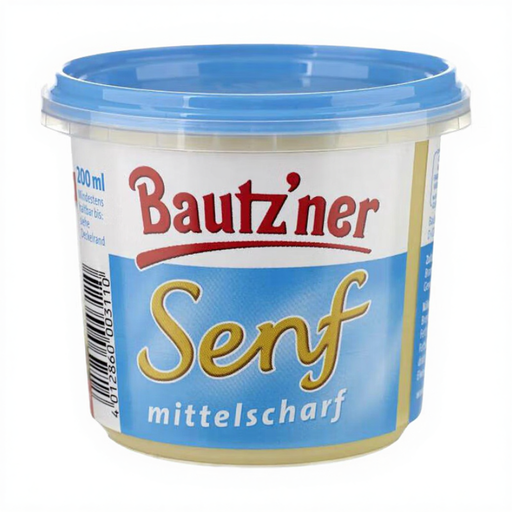
Why it stands out:Bautz'ner mustard is a well-known classic with a balanced, medium-hot flavor profile. Its creamy consistency and familiar taste make it a versatile companion in German cuisine.
Advantages:
Who it's for: Users looking for a reliable and not-too-dominant mustard for everyday use. It's a great choice for families and for dishes where the mustard should support, not overpower, the flavor.
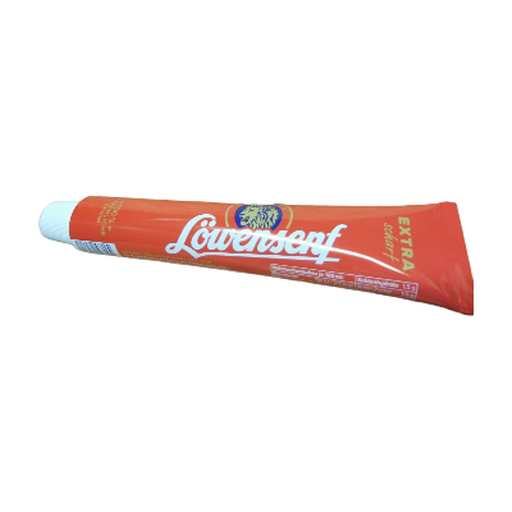
Why it stands out:L?wensenf is renowned for its pronounced heat. The "Extra Hot" variety is made using the Dijon method, where only the de-husked mustard seeds are ground, resulting in a particularly intense and clean heat.
Advantages:
Who it's for: People looking for a real kick of heat. This extra-hot mustard is ideal for adding a distinctive spice to hearty meat dishes, meatballs, or a robust meal.
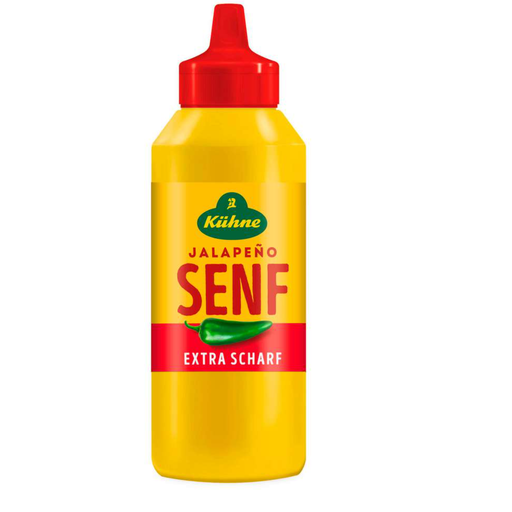
Why it stands out: The Kühne mustard with jalape?o combines classic mustard heat with the fruity spice of chili peppers. This modern interpretation offers a more complex flavor experience.
Advantages:
Who it's for: Adventurous cooks and BBQ enthusiasts looking for a change from classic mustard. It pairs excellently with burgers, wraps, as a dip for nachos, or as a spicy base for a grilling mustard.
If the products featured here don't quite match what you're looking for, or if you're simply curious about other flavors, many other options are available. From regional specialties to international variations, the world of mustard is diverse.
Discover our entire range of hot mustard and find the perfect companion for your kitchen.
The heat in mustard comes from chemical compounds called glucosinolates. When mustard seeds are ground and mixed with a liquid (water or vinegar), an enzyme breaks down these compounds, releasing pungent isothiocyanates. Brown and black mustard seeds contain a higher concentration of these substances than yellow seeds, resulting in a hotter final product.
The choice of mustard for bratwurst is a matter of personal taste. A medium-hot mustard like Bautz'ner is the traditional companion that harmoniously complements the sausage's flavors. Those who prefer a strong contrast might opt for an extra-hot mustard like L?wensenf, whose intense heat balances the richness of the sausage.
To preserve the heat and aroma of mustard for as long as possible, it should be stored in a cool, dark place. After opening, refrigeration is recommended. It's important to always seal the container tightly, as exposure to air (oxidation) can cause the mustard oils to lose their pungency over time.