
Lieferung heute & morgen

Qualitätsgarantie

Willkommens-Angebote freischalten: KOSTENLOSE Lieferung | Bis zu 80 % RABATT | Kostenlose 30-Tage-JoyPlus-Testphase
App herunterladen
A cozy evening with friends, the delicious aroma of a simmering broth, and the shared joy of cooking fresh ingredients—a hot pot creates a special culinary experience. But that joy can quickly be spoiled if your newly purchased pot doesn't perform as expected. Many buyers invest in a model that looks appealing but falls short on fundamental functionality in everyday use.
As your Joybuy Product Recommendation Officer, I'm here to filter out the marketing noise and focus on what matters. In this guide, I'll show you the most common pitfalls when buying a hot pot and the objective criteria you should look for to make an informed decision.
To avoid the problems mentioned above, you should check three key aspects before buying. These form the basis for durable and functional cookware.
The choice of material significantly influences your pot's cooking properties.
The most important technical feature is its suitability for your hob. While gas and electric (ceramic glass) hobs work with most pot materials, an induction pot requires a ferromagnetic base. Look for the corresponding symbol (a stylized coil) on the packaging or in the product description. When in doubt, a simple test helps: If a magnet sticks to the base of the pot, it's induction-compatible.
Different types of pots are suitable for different dishes and occasions.
Here are some models that are suitable for specific user profiles based on objective features.
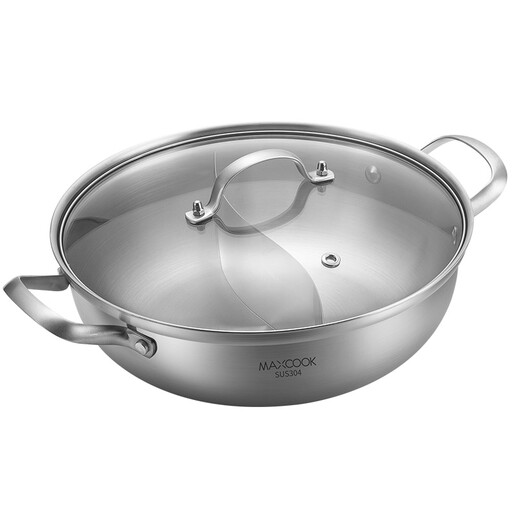
Why it's a great fit: Ideal for family gatherings or evenings with friends where you need to cater to different tastes (e.g., spicy and mild). The 30 cm diameter and 4.6-litre volume provide ample space for several people.
The thick composite base is explicitly designed for all hob types, including induction. The three-ply (Tri-Ply) stainless steel ensures even heat distribution and helps prevent scorching.
Two permanently integrated compartments in one pot allow for preparing different broths. Made from food-grade 304 stainless steel.
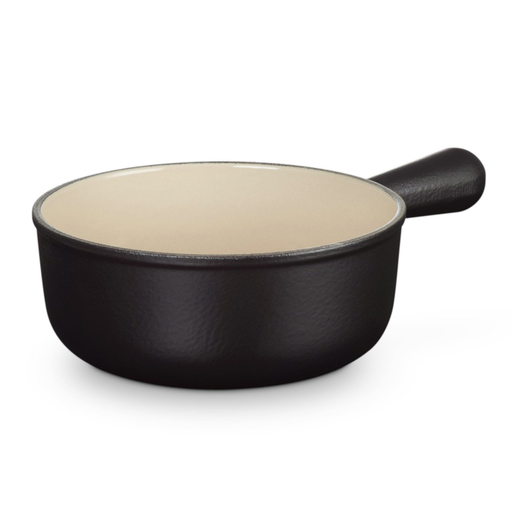
Why it's a great fit: Perfect for traditional fondue nights where cheese or chocolate needs to be kept warm at a constant temperature for a long time. Its classic design makes it a centerpiece on the table.
Enameled cast iron offers outstanding heat retention and distribution, which prevents the fondue from burning. Compatibility with all hob types, including induction, is guaranteed by the manufacturer.
Durable, low-maintenance material (enameled cast iron). The even heat retention keeps the contents warm for a long time, even on low heat.
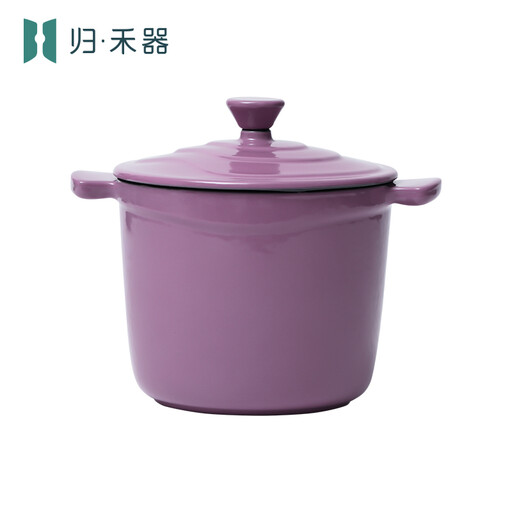
Why it's a great fit: Ideal for a single portion of hot pot, a quick soup, or preparing porridge. Its compact size saves space and energy, making it perfect for single-person households or as an additional small pot.
Despite its small size, this cast iron pot is induction-compatible and offers excellent thermal performance due to its material. The size is intentionally chosen for small quantities, avoiding the purchase of an oversized pot.
Compact size (1.3 L) and versatile for single servings. The excellent thermal properties of cast iron ensure efficient cooking even with small quantities.
We have compiled a complete, up-to-date list of products that fully meet these strict selection criteria and rigorous safety standards.
A Yin-Yang pot with a permanently welded divider is best cleaned by hand. After use, soak the pot in warm water with a little dish soap. Use a soft brush or sponge to thoroughly clean the corners and the divider. Avoid steel wool or abrasive scourers to prevent scratching the surface.
Yes, a cast iron pot can be used on a ceramic glass hob. However, it's important to always lift the heavy pot rather than sliding it across the glass surface to avoid scratches. Also, be sure to heat the pot slowly and evenly to minimize thermal stress on the glass hob.
A special pot isn't strictly necessary for Shabu-Shabu, but a wide, relatively shallow pot is advantageous. This shape makes it easier to dip and quickly cook the thinly sliced meat and vegetables. Many models designated as Sukiyaki pots are also very well-suited for Shabu-Shabu due to their shape.