
Lieferung heute & morgen

Qualitätsgarantie

Willkommens-Angebote freischalten: KOSTENLOSE Lieferung | Bis zu 80 % RABATT | Kostenlose 30-Tage-JoyPlus-Testphase
App herunterladen
A hot pot brings broth, vegetables, meat, tofu and seafood straight to the table. Unlike traditional fondue, ingredients are usually cooked in portions in a gently simmering hot pot soup base. The choice available to households in Germany is now extensive—from compact electric hot pots for one person to divided hot pot pots for families.
To avoid a purchase being undermined by the wrong size, inconvenient cleaning or incomplete product information, it is worth taking a close look at a few objective criteria.
A 5- or 6-litre pot is generally suitable for several people. However, the interior layout, footprint and recommended fill level are equally important. If the pot is overfilled, the broth may boil over. For one person or a student residence, 1.6 to 2.4 litres is often more practical.
A non-stick coating can make cleaning easier, but it is not designed for metal utensils or abrasive scouring pads. Before buying, check whether the pot body can be removed and whether the appliance may be fully immersed in water. For several models, the rule is: Clean only the inner pot; wipe the electrical main unit with a damp cloth.
A Sichuan hot pot or mala hot pot base often contains chilli and Sichuan pepper. The level of heat and the characteristic numbing sensation can vary considerably depending on the recipe. Ingredient lists and nutritional information provide useful guidance. Important details include salt content, allergens such as soy, wheat, peanuts or sesame, and the recommended amount of water.
The stated capacity is not the same as the recommended working volume. When filling the pot, allow sufficient space below the rim and follow the manufacturer’s instructions.
An electric hot pot with 600 to 1,000 watts is designed for smaller quantities and straightforward dishes. Appliances with 1,500 watts bring larger volumes of water to the boil more quickly, but require a suitable circuit and a stable, heat-resistant surface.
For use in Germany, buyers should check the following:
Hot pot ingredients are generally cooked only briefly. Thinly sliced hot pot beef can cook through quickly depending on the thickness, while hot pot lamb is often added directly to the broth from frozen. Maintaining the cold chain is particularly important for meat, fish and seafood. Frozen products should be stored at a minimum of −18 °C and must not be refrozen after thawing.
Hot pot shrimp paste typically contains crustaceans and, in some cases, egg. Tofu skin for hot pot is made from soybeans and works well in vegetarian combinations. All animal-based ingredients must be cooked thoroughly, and the information on the relevant packaging should always be followed.
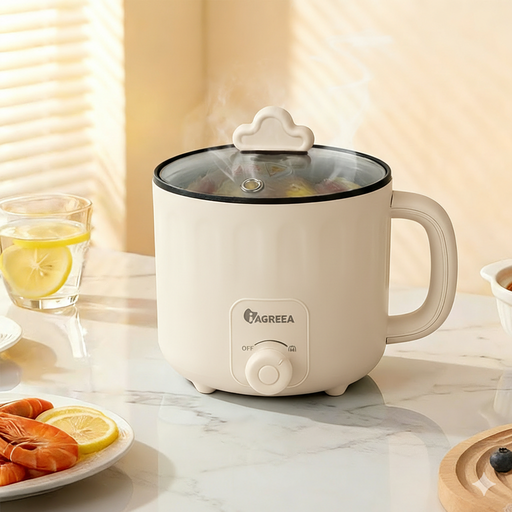
Why it is a good fit: With 600 watts and a 1.6-litre capacity, this compact appliance is designed for individuals, students and smaller homes.
The compact capacity reduces unnecessary space requirements. Automatic shut-off and boil-dry protection are listed as safety features.
Non-stick coating, one-button operation and 600 watts; suitable for shabu-shabu, noodles and soups.

Why it is a good fit: This 5-litre hot pot is designed for family meals and regular one-pot cooking.
The capacity is clearly stated; a glass lid, boil-dry protection and detachable power cable make everyday household use more convenient.
1,500 watts, continuously variable power control, non-stick coating and four functions: hot pot, slow cooking, braising and boiling.
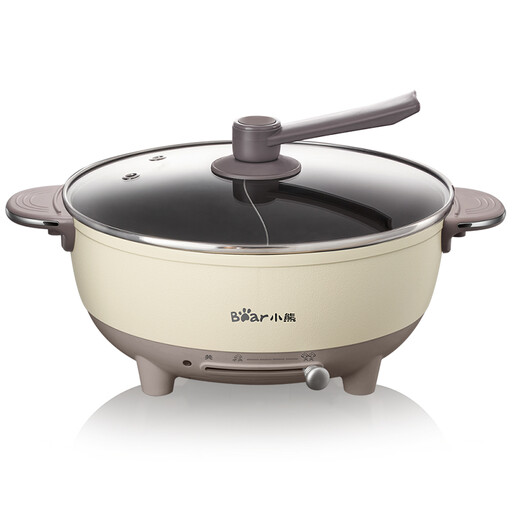
Why it is a good fit: A 6-litre capacity and divided interior allow two flavour profiles to be enjoyed at the same meal.
The clear separation prevents a mild broth from inevitably mixing with mala or Sichuan flavours.
1,500 watts, temperature selection from 0 to 210 °C, glass lid, non-stick coating and boil-dry protection.
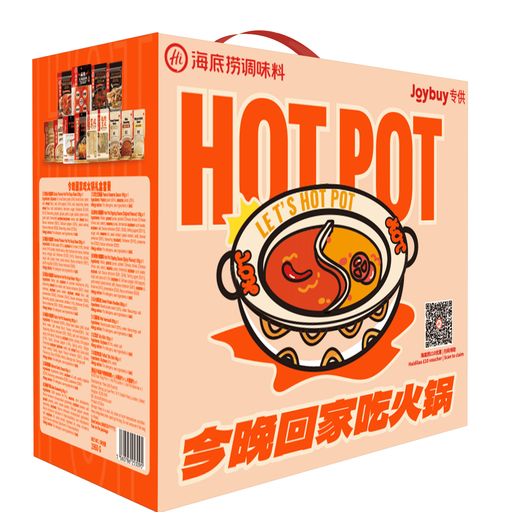
Why it is a good fit: This set combines several soup bases, sauces, tofu skin, glass noodles and a divided stainless-steel pot.
The individual products and allergens included are listed. Before buying, check whether soy, wheat, peanuts, sesame or milk are suitable for everyone who will be eating.
Four broths, two sauces, two varieties of tofu skin and a 28-cm yuan-yang pot are bundled in one package.
For a balanced spread, combine ingredients from several categories:
Always follow the preparation instructions for each product. Broths must be boiled, and meat and seafood must not be eaten raw.
Explore the complete hot pot selection, including electric pots, soup bases, sauces and meat, seafood and tofu ingredients for households of different sizes.
For a meal with several ingredients, you do not need around 1.5 to 2 litres of broth per person, as the ingredients are cooked directly in the pot and the required volume depends on the size of the pot and the number of diners. A 1.6-litre appliance is usually sufficient for one person; families often choose 5 to 6 litres.
Its service life depends on the coating, heating technology, cleaning routine and frequency of use. Sharp or metal kitchen utensils can damage a non-stick surface. After every use, disconnect the appliance from the power supply and allow it to cool completely. Electrical components must not come into contact with water.
Running costs depend on the appliance’s power rating, operating time and the current electricity price. A 1,500-watt appliance theoretically consumes 1.5 kilowatt-hours per hour when operating at full power; in practice, the heating element switches off intermittently depending on the temperature control. For a realistic estimate, multiply the power rating by the actual operating time.