
Lieferung heute & morgen

Qualitätsgarantie
App herunterladen
Kategorien
Crafting an authentic hot pot, also known as a fire pot, hinges on the careful selection of high-quality ingredients. The dish's harmony stems from the interplay between an aromatic broth, a variety of dippable ingredients, and complementary starches. This guide focuses on the objective features and practical benefits of specific components essential for a successful hot pot experience. Our analysis centres on product attributes like composition, texture, and preparation requirements.
When selecting ingredients for a Chinese fire pot, specific product attributes are crucial. A product's suitability can be assessed based on technical parameters.
For processed seafood products like fish balls for hot pot or shrimp paste, the percentage of the main ingredient is a key quality indicator. A high fish or shrimp content generally correlates with a more intense flavour profile. After cooking, the texture should be springy, not watery or mushy. Check the ingredient list to identify the amount of fillers, such as starch. Products designed for frozen storage often offer a longer shelf life and preserve the freshness of the raw materials.
Asian noodles suitable for hot pot must demonstrate high cooking stability. They should retain their shape and a firm, chewy (al dente) texture, even when left in the hot broth for an extended period. Noodles made from potato, tapioca, or pea starch are often ideal, as they develop a distinctively smooth and springy consistency. Packaged kits that include separate seasoning and oil packets allow for controlled and customisable flavour profiles.
A clear and transparent declaration of ingredients and nutritional values is essential for an informed purchasing decision. This is especially true for allergens. The packaging should precisely state the storage conditions (e.g., "keep frozen at -18°C") and preparation instructions. Individually portioned or resealable packaging can simplify handling and storage.
The following selection is based on the aforementioned criteria, analysing specific products for their composition and application benefits.
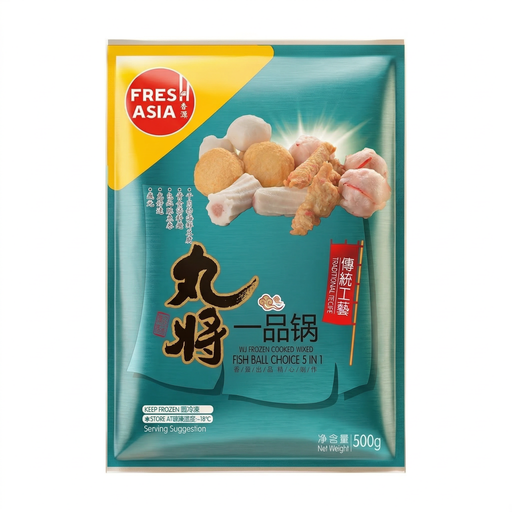
Why we recommend this product This product addresses the need for variety and convenience. The package contains five different types of fish balls, which allows for a varied texture and flavour experience in a single purchase. With a fish content of 70% (per the manufacturer's specifications), this product provides a solid foundation. The balls are pre-cooked and can be added to the broth directly from frozen, which minimises preparation time.
Benefits:
Who it's for: This product is ideal for those seeking a convenient and diverse ingredient for social hot pot gatherings or quick Asian meals.
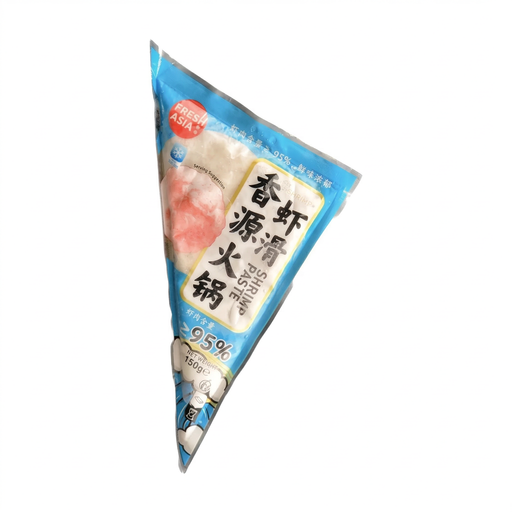
Why we recommend this product Freshasia's shrimp paste stands out with a very high shrimp content of 95% (Litopenaeus vannamei), as declared by the manufacturer. This high content is the basis for an intense shrimp flavour and a springy, tender texture after cooking. The triangular packaging is designed for easy handling and allows for direct portioning of the paste into the boiling broth.
Benefits:
Who it's for: This product is aimed at users who value a high main ingredient content and appreciate the flavour and texture of freshly prepared shrimp balls without complex preparation.
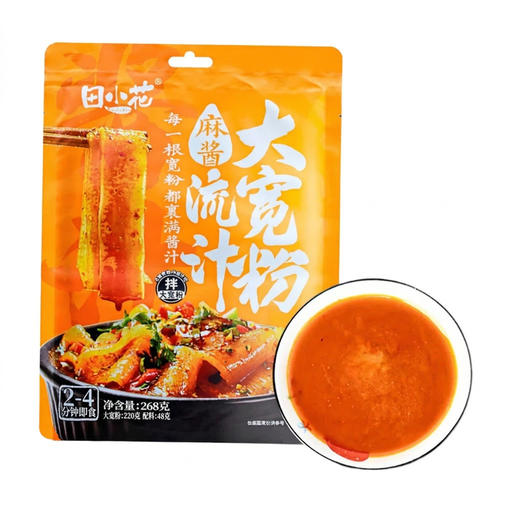
Why we recommend this product These wide noodles are based on a mix of potato, tapioca, corn, and pea starch. This composition ensures an exceptionally smooth and chewy texture that remains stable even with longer cooking times. The product is delivered as a complete package with separate sachets for sesame paste, vinegar, vegetables, and oil. This allows for individual customisation of the flavour intensity, making it a versatile side dish.
Benefits:
Who it's for: Ideal for fans of distinctly chewy noodles and for those seeking a quick-to-prepare yet flavourfully complex side for their hot pot or as a standalone meal.
Beyond the primary Chinese food items, organisational elements are also key to a successful hot pot meal. For preparing and serving smaller side dishes or portioning sauces, the products from our Party Bags category can also prove useful.
1. What are the basic components of a hot pot? A hot pot typically consists of three main categories:
2. What is the difference between hot pot and shabu-shabu? Although both dishes are based on the principle of cooking ingredients in a pot at the table, there are differences. Shabu-shabu is the Japanese version. The broth (dashi) is typically very light and clear. The focus is on the flavour of the high-quality ingredients themselves, which are only briefly swished in the broth and then dipped in ponzu or sesame sauce. Chinese hot pot (fire pot) features a greater variety of often richer and more complex broths, and the ingredients remain in the broth longer to absorb its flavour.
3. How is shrimp paste correctly used in hot pot? Shrimp paste is typically used chilled or slightly thawed. Using two spoons or directly from the packaging, small portions (quenelles or balls) are formed and dropped directly into the simmering hot pot broth. The cooking time is short; the shrimp balls are ready as soon as they float to the surface and turn an opaque pink colour, which usually takes 3-4 minutes. Ensure the product reaches an internal temperature above 70°C before consumption.