
Lieferung heute & morgen

Qualitätsgarantie

Willkommens-Angebote freischalten: KOSTENLOSE Lieferung | Bis zu 80 % RABATT | Kostenlose 30-Tage-JoyPlus-Testphase
App herunterladen
A cozy evening with friends or family, a steaming pot in the center of the table—hot pot is more than just a meal; it's a communal experience. But the joy can quickly fade if the ingredients don't live up to expectations. Selecting the right hot pot ingredients is crucial for success. However, many shoppers face challenges: meat that turns out tough, limited selections at the local supermarket, or ill-suited ready-made kits.
As your Joybuy Product Recommendation Officer, I'm here to help you overcome these hurdles. We'll explore what truly matters when sourcing authentic, high-quality ingredients for your next hot pot night, without falling for marketing gimmicks.
The anticipation for a great hot pot can quickly turn to disappointment if the ingredient quality is poor. Here are two common problems that often lead to a subpar experience:
To ensure you buy the right products for your feast, focus on a few objective criteria. These will help you assess the quality of hot pot ingredients independently of advertising claims.
For many hot pot styles, meat is the star ingredient. Whether it's shabu-shabu meat or sukiyaki beef, two factors are critical:
A great hot pot thrives on variety. Beyond meat and vegetables, it's often the specialty items that create an authentic experience:
Thanks to specialized online retailers, many of these frozen hot pot ingredients are now readily available and can be conveniently delivered to your home, ensuring freshness and quality.
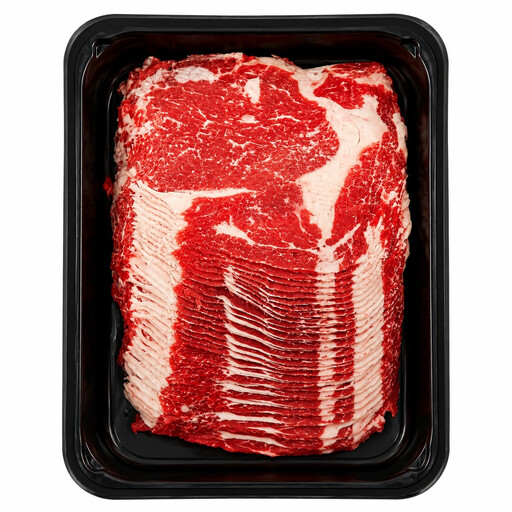
Why it's a great fit: Ideal for those who prioritize high-quality meat. The precise slice thickness and the choice of a rib-eye cut guarantee a tender and flavorful result, just like you'd find in a top-tier restaurant.
This product directly tackles the meat quality trap by specifying both the cut (Rib-Eye) and the exact thickness (1.2 mm). You know exactly what you're getting.
Made from 100% beef, its marbling delivers a rich flavor. The slices cook in seconds and stay juicy.
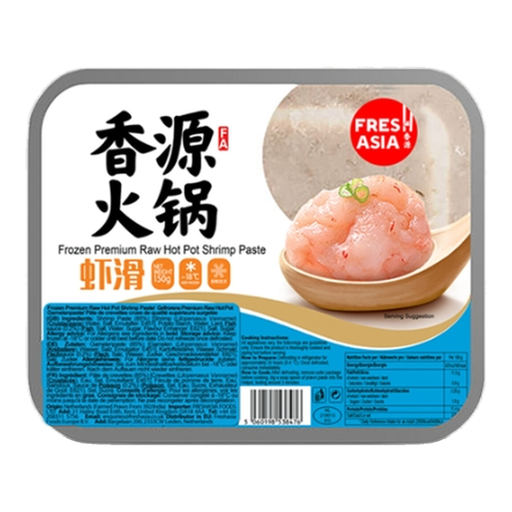
Why it's a great fit: For anyone aiming to create an authentic hot pot experience. This shrimp paste allows you to form fresh, juicy balls right at the table and cook them in the broth—a classic ingredient that no traditional hot pot should be without.
This product solves the problem of limited variety. It's a specialty item rarely found in supermarkets, making it easy to prepare an authentic component at home.
According to the manufacturer, the product contains 86% shrimp, ensuring an intense flavor and a pleasant texture. The paste is versatile and easy to use.
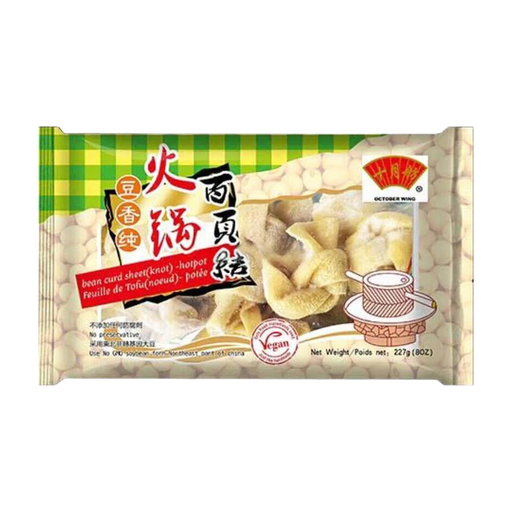
Why it's a great fit: An excellent plant-based option for those avoiding meat or looking to enrich their hot pot with more textures. These beancurd skin knots offer a firm, chewy consistency and are rich in plant-based protein.
This product expands the often meat-heavy hot pot world, overcoming the lack of diverse vegetarian options. It provides an authentic texture that absorbs the broth beautifully.
Made from non-GMO soybeans. The knotted shape helps the beancurd skin hold its form during prolonged cooking and perfectly soaks up the flavor of the soup base.
We've curated a complete, up-to-date list of products that fully meet these strict selection criteria and comply with food regulations.
Very thinly sliced meat (1-2 mm) typically cooks in just 10-20 seconds. Hold a slice with your chopsticks in the boiling broth until it just loses its pink color. Avoid overcooking, as this can make the meat tough.
Yes, most frozen hot pot ingredients, especially thinly sliced meat, meatballs, and tofu products, can be added directly from the freezer into the boiling broth. This is convenient and helps maintain freshness. However, always check the preparation instructions on the packaging.
Both terms refer to thinly sliced meat used for hot pot dishes in Japanese cuisine. The main difference often lies in the dish itself: shabu-shabu is cooked in a light, savory broth, while sukiyaki is prepared in a sweeter, soy sauce-based liquid. The meat itself is often very similar—typically well-marbled sukiyaki beef or pork that is sliced very thin.