
Lieferung heute & morgen

Qualitätsgarantie

Willkommens-Angebote freischalten: KOSTENLOSE Lieferung | Bis zu 80 % RABATT | Kostenlose 30-Tage-JoyPlus-Testphase
App herunterladen
Finding the right meat for an authentic Asian hot pot can be a challenge. The quality, cut, and thickness of the slices are crucial for the success of dishes like Chinese hot pot, Japanese shabu-shabu, or sukiyaki. Often, the selection at a local supermarket isn't tailored to these specific requirements.
This article serves as a guide. It explains what to look for when making your selection and presents a range of products suitable for preparing a hot pot. The goal is to provide you with a solid basis for making an informed decision so you can purchase the perfect hot pot meat.
Choosing the right meat is the foundation of a great hot pot experience. Three criteria are particularly important: the type and cut of meat, the fat marbling, and the choice between fresh and frozen products.
For hot pot, shabu-shabu, and sukiyaki, thinly sliced beef is traditionally used. The ideal thickness is between 1 and 2 millimetres. Such fine slices cook in the hot broth within seconds, remain tender, and absorb the flavour of the broth perfectly.
Suitable beef cuts are those with a good balance of muscle and fat. These include:
Fat marbling—the fine veins of fat running through the muscle—is a crucial quality indicator. It not only provides a more intense flavour but also ensures the meat stays tender and juicy during the brief cooking time in the hot pot.
When you order meat for Asian hot pot online, it is usually delivered frozen. This is not a disadvantage; in fact, it ensures quality. High-quality frozen meat for hot pot is flash-frozen immediately after slicing. This process preserves the meat's cell structure, freshness, and flavour. Additionally, the frozen slices are often easier to separate and portion.
Based on the criteria mentioned, we have compiled a selection of products that are particularly well-suited for preparing hot pot dishes due to their specific characteristics.
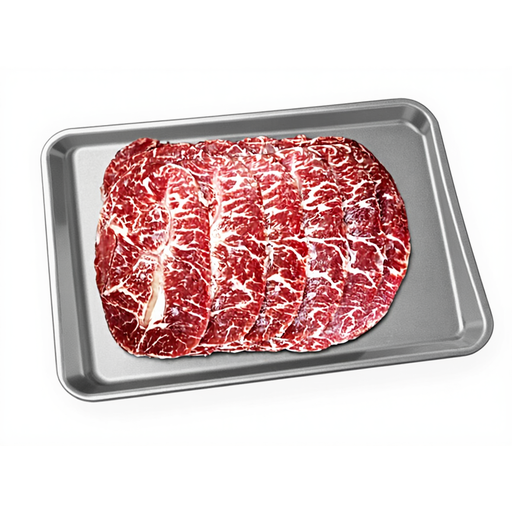
What makes it special: This product consists of 100% beef chuck, sliced to a thickness of 2 mm. This thickness is ideal for sukiyaki, as the meat is robust enough not to fall apart immediately but thin enough to cook until tender in a short time. The beef chuck provides a balanced, rich meat flavour.
Advantages:
Who it's for: A great choice for anyone looking for classic sukiyaki beef or a versatile meat for Chinese hot pot. The package size is practical for families or groups.
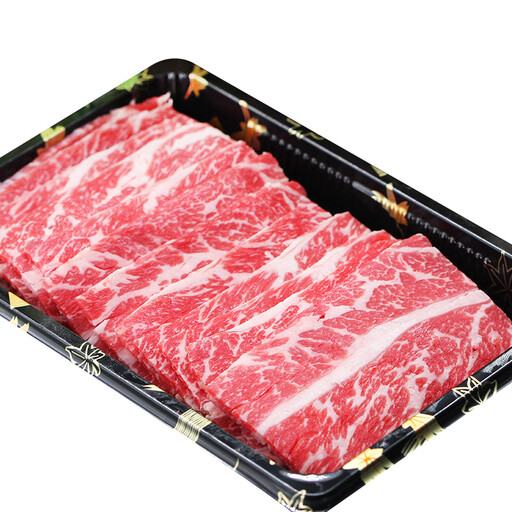
What makes it special: This meat comes from Japanese Wagyu cattle of the highest quality grade, A5. It is characterised by extreme marbling, which provides unparalleled tenderness and a rich, buttery flavour. It is specifically designed for shabu-shabu, where the pure quality of the meat is the main focus.
Advantages:
Who it's for: For connoisseurs and special occasions. Those seeking an authentic, premium shabu-shabu meat experience with a focus on meat quality will find this a perfect option.
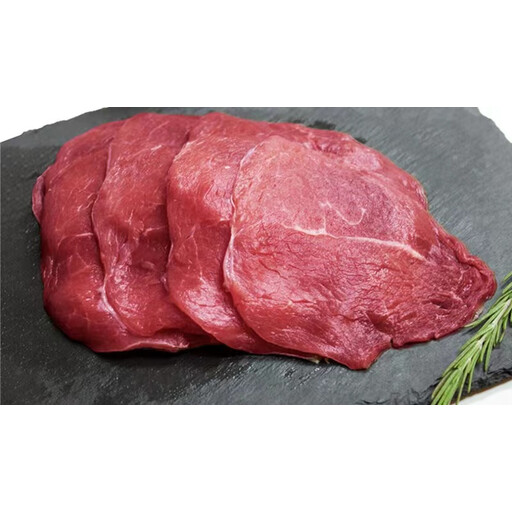
What makes it special: These Angus beef slices are cut particularly thin at 1 mm. This makes them ideal for classic hot pot, where the meat is dipped into the boiling broth for only a few seconds. Angus beef is known for its consistently high quality, tenderness, and delicate flavour.
Advantages:
Who it's for: Ideal for hot pot enthusiasts who prefer very thinly sliced beef that cooks almost instantly. A reliable choice for a straightforward and enjoyable hot pot experience.
The products featured provide a great starting point for various types of hot pot dishes. However, if you are looking for other types of meat, different cuts, or more options for your culinary projects, it's worth taking a look at our wider selection.
Discover our entire range of high-quality Beef for your culinary endeavours.
1. Which cut of beef is suitable for hot pot? Cuts with a good balance of fat and lean meat are ideal for hot pot, as they remain tender and juicy during the brief cooking time. Popular options include beef chuck, entrec?te (rib-eye), and short rib. The crucial factor is that the meat must be sliced very thinly.
2. How thick should meat for shabu-shabu be? For shabu-shabu, meat with a thickness of 1 to 1.5 mm is typically recommended. These fine slices cook within seconds in the simmering broth and absorb its flavour well without becoming tough.