Families with a large soup pot
If you’re using a full pot, its base size and total weight matter. CASO Design specifies a pot diameter of 12–24 cm and a maximum load of 6 kg for the Touch 2000; for the ProChef 3500, it’s 12–27 cm and 18 kg.


Choose your hotplate based on the filled soup pot first. With induction, the pot’s magnetic base and permitted diameter must suit the specific model; any stated weight limit applies to the pot and its contents combined. A single hotplate is enough for one pot, while a second cooking zone is useful if you want to heat noodles or side dishes at the same time. Traditional hotplates work with pots that are not induction-compatible, but they vary in how quickly they heat up and cool down.
If you’re using a full pot, its base size and total weight matter. CASO Design specifies a pot diameter of 12–24 cm and a maximum load of 6 kg for the Touch 2000; for the ProChef 3500, it’s 12–27 cm and 18 kg.
If you want to heat soup and noodles or a side dish at the same time, consider whether you really need two usable cooking zones. Severin specifies two cooking zones for the DK 1033.
If you want to keep using your existing pot, first check whether its base is suitable for induction. Bosch Home Appliances explains that induction requires magnetic cookware. A HiLight or cast-iron hotplate may be an alternative, provided the pot is suitable for the cooking surface.
For family noodle soup, the first thing to check is whether the hotplate can accommodate your filled pot. Then consider the cooking technology you prefer and whether you’ll be heating a second pot at the same time.
A good fit if: You have an induction-compatible pot and only need to heat the soup on one cooking zone.
Bear in mind: The pot base, diameter and, where applicable, weight must be suitable for the model. The CASO ProChef 3500 also has a rated power of 3500 W, which you’ll need to take into account.
A good fit if: You really do want to heat soup and noodles or side dishes in separate pots at the same time.
Bear in mind: Both pots must be suitable for induction. Check the footprint and connection requirements of the specific appliance, too.
A good fit if: You want to keep using an existing pot that isn’t induction-compatible and prefer a smooth cooking surface.
Bear in mind: The cooking surface heats up and may remain hot after you switch it off. The Rommelsbacher CT 2200/E has a selectable cooking zone with a diameter of 140 or 210 mm.
A good fit if: You want a simple cooking zone with rotary controls and have a suitable pot to use with it.
Bear in mind: Rommelsbacher describes cast-iron hotplates as slower to heat up than induction and as retaining heat for longer.
| What matters | What to check before buying | Who should pay particular attention |
|---|---|---|
| Size and weight of the filled pot | Compare the base diameter and total weight with the specifications for the specific model. | If I want my filled soup pot to sit securely on the cooking surface, I check its diameter and weight together. Around 31% of consumers prioritise pot size and weight. |
| Control when simmering | Check the controls, power settings and, where applicable, timer for the exact model. | If I want the soup to simmer for a while after coming to the boil, I check how easily I can adjust the heat and keep an eye on the pot while it cooks. Around 25% of consumers prioritise simmer control. |
| One or two cooking zones | Consider whether you need to heat two pots at once. If you do, check the space available and the connection requirements, too. | If I want to heat noodles or side dishes alongside the soup, a second zone matters to me. Around 19% of consumers prioritise cooking two things at the same time. |
| Keeping the pot you already own | Check that it’s suitable for induction and that the base is the right size, or choose a suitable traditional cooking surface. | If I don’t want to buy another pot, I check the base of the one I have and compare it with the cooking surface first. Around 13% of consumers prioritise continuing to use their own pot. |
| Space and electrical connection | Check the appliance dimensions and installation instructions; make sure the connection requirements suit your existing setup. | If worktop space is limited or the electrical circuit needs checking, I consider the dimensions and connection requirements before buying. Around 12% of consumers prioritise installation and power supply. |
A suitable diameter doesn’t confirm that a full pot is within the appliance’s weight limit. For the CASO Touch 2000, the manufacturer specifies a maximum weight of 6 kg for pots measuring 12–24 cm.
Measure the pot base and weigh the pot with its contents. Compare both with the limits for the exact model.
A ceramic glass surface alone doesn’t tell you how an appliance heats. The Rommelsbacher CT 2200/E uses HiLight radiant heating, while the CTS 2000/IN is an induction model.
Check the full model name and consider both pot compatibility and residual heat when choosing.
According to the manufacturer, the Severin DK 1033 has two cooking zones and a rated power of 3400 W. ELEKTRO+ points out that multi-socket adaptors don’t replace an electrical circuit and can be overloaded.
Choose two zones only if you genuinely need to cook two things at once, and check the available space, instructions and electrical circuit. Ask a qualified electrician to assess any unclear installation.
The Touch 2000 and ProChef 3500 show why you should check pot size and weight limits for each specific model.
The range includes the single induction hotplate CTS 2000/IN and the HiLight ceramic glass hotplate CT 2200/E.
The KP 1091 and DK 1033 represent different types of hotplate: a single cast-iron hotplate and a double induction hotplate.
The Kult X Mono is a portable single induction option with model-specific settings.
The hotplates below include single and double induction models, as well as a single electric hotplate for different pots and cooking needs.
 No image available
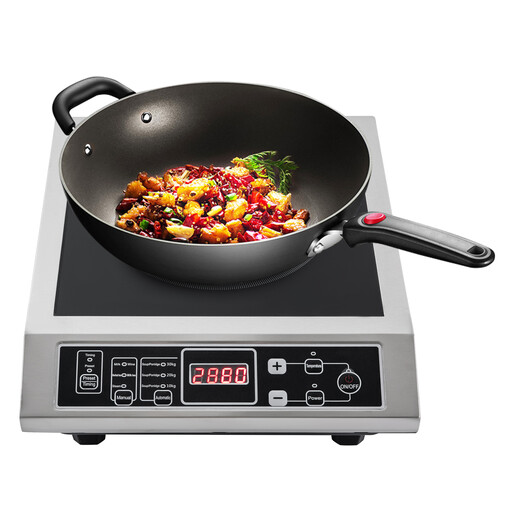
For heating a soup pot on a single induction cooking zone. The pot base must be suitable for induction.
The product title specifies eight temperature settings, 800–3500 W, a timer function and overheat protection.
 No image available
A single portable induction cooking zone for the soup. Use a pot with a magnetic base that’s suitable for induction.
The product title specifies nine heat settings, a timer of up to eight hours and a glass surface.
 No image available
Two cooking zones are useful if you want to heat soup and another pot at the same time. Both pots must be suitable for induction.
The product title specifies five temperature settings and functions for keeping warm, boiling, simmering, frying and slow cooking at a low temperature.
 No image available
For preparing soup on a single induction cooking zone. The pot must have a suitable magnetic base.
The product title specifies ten power settings, six functions, touch controls and a safety lock.
 No image available
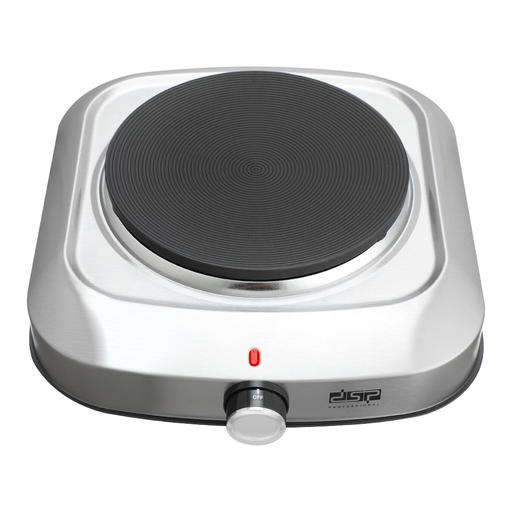
A single electric hotplate for one pot. First check that your existing cookware is suitable for the cooking surface.
The product title specifies 1500 W, adjustable temperature and a stainless steel cooking plate.
Check that the pot base is suitable for induction and measure its diameter. Compare it with the permitted range for the specific hob. If a weight limit is given, it applies to the pot and its contents combined.
Plan the connection based on the appliance instructions, its rated power and your existing electrical circuit. ELEKTRO+ warns that multi-socket adaptors don’t replace an electrical circuit and can be overloaded. If you’re unsure about the installation, ask a qualified electrician to assess it.
No. The Bundesnetzagentur explains that by applying the CE mark, the manufacturer declares on its own responsibility that the product meets the relevant requirements. The mark alone doesn’t prove that the product has been independently tested or made in Europe.
If a product is faulty, contact the seller about your statutory rights. A guarantee is a separate, voluntary benefit. The first step in putting things right is a repair or replacement. Also check the specific guarantee and service terms for your appliance.
Don’t put old electrical equipment in your household rubbish. The Federal Ministry for the Environment recommends that waste electrical equipment is collected separately. Check for a suitable local authority or retailer take-back point.