For cooks keeping an eye on the poaching liquid
When poaching, the liquid should steep over a low heat after coming to the boil, rather than continuing to boil. The NDR recipe recommends cooking the pears this way for 20–25 minutes.


When poaching pears, the key is to let the poaching liquid steep over a low heat after bringing it to the boil, without letting it continue to boil. Induction is a good fit if your pan is compatible; if it isn’t, consider a radiant ceramic-glass or cast-iron hotplate, bearing in mind that these retain heat. A double hotplate is most worthwhile if you want to cook another dish at the same time.
When poaching, the liquid should steep over a low heat after coming to the boil, rather than continuing to boil. The NDR recipe recommends cooking the pears this way for 20–25 minutes.
If you want to keep using your pear-poaching pan, check that its material and base size are compatible with the hob. The Federal Office for Radiation Protection explains the material requirements for induction.
An extra cooking zone may be all you need for a dinner with guests. Whether one or two zones make more sense depends on whether you want to heat another dish at the same time as the pears.
A good fit if: you have a compatible pan and need an extra cooking zone.
Bear in mind: the pan material and size must suit the model; the heat settings do not guarantee a constant temperature in the poaching liquid.
A good fit if: you want to keep using a pan that isn’t induction-compatible and its base fits the heating zone.
Bear in mind: the cooking surface stays hot after you turn the heat down or switch it off, so keep an eye on the poaching liquid.
A good fit if: you want to keep using your pan and would like continuously adjustable heat.
Bear in mind: Rommelsbacher says cast iron heats up more slowly and retains heat for longer; turn the heat down in good time.
| What matters to you | What to look for | Who is this particularly important to? |
|---|---|---|
| Controlling a low heat | Check how the specific model performs at low power, and whether it has sensor control and a timer. A temperature setting does not tell you the temperature of the poaching liquid. | If I want the poaching liquid to steep gently after coming to the boil, I need to be able to monitor and adjust the heat; around 36% of consumers put this level of control first. |
| Using a pan I already own | For induction, check the pan material and base diameter against the model specifications. If your cookware is incompatible, consider another heating type with a suitable cooking zone. | If I want to keep using my pear-poaching pan, I need to know in advance whether it will work with the hotplate; around 29% of consumers prioritise pan compatibility. |
| Space and cooking zones | Compare the available worktop space with the appliance dimensions. Only plan for a second zone if you really will use another pan at the same time. | If I want to heat another dish while the pears cook, I need enough space for the right number of zones; around 21% of consumers prioritise worktop space and the number of zones. |
| Overall cost | Consider the cost of the appliance separately from any need to buy compatible cookware; don’t use the rated power alone to estimate the cost per cooking session. | If I want to avoid unnecessary spending, I need to factor in the cost of a possible extra pan; around 14% of consumers put potential purchase and follow-on costs first. |
Bringing the liquid to the boil quickly doesn’t tell you how well the hotplate can keep it below boiling afterwards. The NDR recipe calls for the pears to steep over a low heat without the liquid continuing to boil.
Check how the lower settings work and keep an eye on the contents of the pan. Power or temperature settings don’t measure the temperature of the liquid.
For induction, the cookware material and size must be compatible with the model in question.
Check the pan base against the appliance specifications, or choose a heating type that works with the cookware you already own.
If your existing pan isn’t compatible, you may need to buy an additional induction-compatible pan.
Radiant ceramic-glass and cast-iron hotplates continue to give off stored heat after you turn them down. A double hotplate also takes up more worktop space.
Factor in residual heat and measure the space available before choosing between a single and double hotplate.
The CTS 2000/IN and CT 2203/TC offer different heating types and have different pan requirements.
The portable Touch 2000 single induction hob is designed for people who want to adjust power and temperature settings separately.
The KP 1092 single cast-iron hotplate and DK 1031 double induction hotplate cater for different cookware and space requirements.
The EKI 3569 single induction hotplate and EKP 3582 cast-iron hotplate differ in their pan requirements and controls.
The Kult X Mono is a portable single induction hotplate with a keep-warm programme.
This selection includes portable single hotplates with induction, infrared or cast-iron heating for poaching on an additional cooking zone.
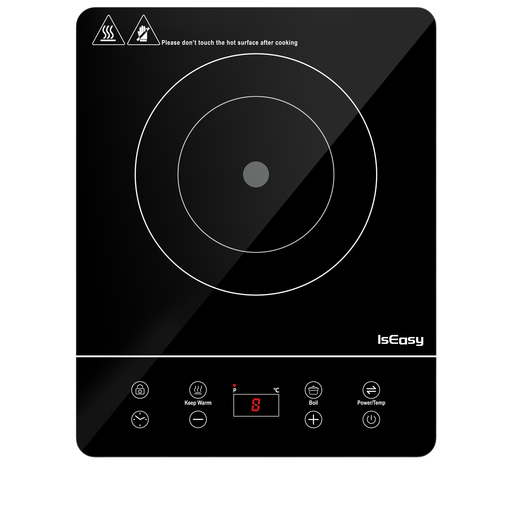 No image available
An extra cooking zone for when you want to adjust the heat in small increments after bringing the poaching liquid to the boil.
Nine power settings and nine temperature settings, an 8-hour timer and child lock. The pan must be magnetic; the specified diameter is 12–26 cm.
 No image available
An option if you want to use a heat-resistant pan without relying on induction.
Described as having a timer and both touch and rotary controls; the product description states that it is intended for indoor use.
 No image available
A single cooking zone for when you have an induction-compatible pan and want to adjust the heat while the pears steep.
Ten heat settings, six functions and a safety lock; the product description specifies magnetic cookware.
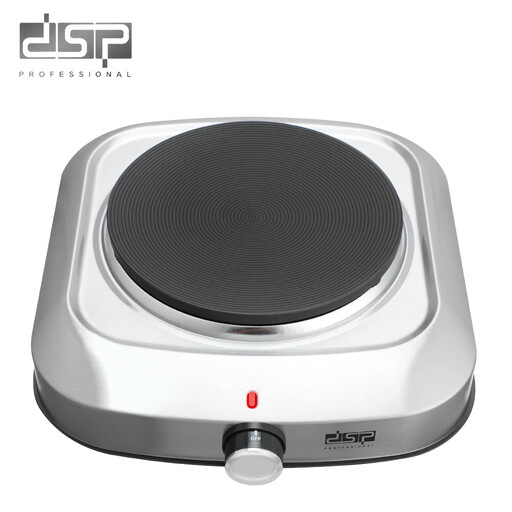 No image available
An extra cooking zone for when you want to adjust the temperature using a rotary control.
Described as having 1500 W of power and an adjustable temperature. The product description notes that a slight smell and some smoke may occur the first time it is used, and recommends using it in a well-ventilated area.
 No image available
An option if you want to use an existing pan without needing it to be induction-compatible, and would like continuously adjustable heat.
Described as having an 18 cm-diameter heating ring, 1,500 W of power and continuously adjustable temperature. Rommelsbacher says cast iron heats up more slowly and retains heat for longer; let the cooking surface cool completely before cleaning.
No. According to the NDR recipe, the liquid shouldn’t continue to boil after coming to the boil. The pears should steep over a low heat for 20–25 minutes; keep an eye on the liquid and adjust the heat if needed.
Only if its material is suitable for induction and its size is compatible with the model you choose. Check both the pan and the appliance specifications; for example, CASO specifies a diameter of 12–24 cm for the Touch 2000.
Let the appliance and pan cool as instructed in the model’s manual before cleaning. Bear in mind that radiant and cast-iron hotplates retain heat; the Rommelsbacher CT 2203/TC has a residual heat indicator.
New electrical equipment covered by Germany’s 1. ProdSV must comply with the relevant product regulations; according to the regulation, this includes equipment rated for 50–1.000 V AC. The EU explains that CE marking is a declaration by the manufacturer, not an official quality seal. If a product is faulty, the retailer is generally responsible for the statutory two-year warranty; this is separate from any manufacturer’s guarantee.
The Federal Office for Radiation Protection notes that electric and magnetic fields can affect electronic implants, and that sensitivity varies from person to person. If this applies to you, ask a medical professional to assess the risk to your implant.