
Lieferung heute & morgen

Qualitätsgarantie

Willkommens-Angebote freischalten: KOSTENLOSE Lieferung | Bis zu 80 % RABATT | Kostenlose 30-Tage-JoyPlus-Testphase
App herunterladen
Household cleaners are part of the basic equipment in many German homes. Even so, shopping often leads to unnecessary costs: a specialist cleaner is bought for surfaces that an all-purpose cleaner could handle, while an unsuitable product is used on delicate materials. Large bottles and striking fragrance claims also reveal little about coverage, material compatibility or safe use.
A strong fragrance can leave a fresh impression after cleaning, but it does not automatically remove limescale, grease or dirt. When choosing toilet cleaners, WC cleaners and kitchen cleaners, you should therefore check the intended use, contact time and ingredient information above all else.
An all-purpose cleaner is generally suitable for many wipe-clean surfaces. However, glass, natural stone, painted furniture, aluminium and delicate coatings may require special care. For example, a glass cleaner is not automatically suitable for TFT, plasma or LCD screens. The usage instructions on the label are therefore decisive.
The purchase price per bottle takes neither the required dosage nor the number of applications into account. For concentrates, check the recommended quantity. A 750-ml concentrate diluted with water may cover more applications than a ready-to-use spray bottle. The key figure is the price per application, not just the pack price.
Choose a cleaner suited to the task:
A drain cleaner containing sodium hydroxide or sodium hypochlorite must not be mixed with other cleaning products. This can produce dangerous gases. Toilet cleaners and drain cleaners should always be used separately.
Cleaning products bearing hazard symbols must be used according to the instructions on the packaging. Pay particular attention to warnings such as “causes severe skin or eye damage”, “causes serious eye irritation” or “may cause an allergic skin reaction”.
Suitable cleaning gloves protect your hands from prolonged contact with cleaning products. Strongly corrosive products may also require safety goggles or protective clothing. Latex gloves are not suitable if you have a known latex allergy; in this case, choose an alternative material.
Cleaning performance also depends on using the right accessories. Microfibre cleaning cloths pick up dust and liquid and, depending on the manufacturer’s instructions, can be washed several times. Household cloths made from viscose or blended fabric are suitable for dry and damp cleaning, but should be rinsed after every use and allowed to dry fully.
When using household sponges, distinguish between the soft side and the scouring side. Abrasive surfaces can scratch painted, polished or coated surfaces. Kitchen roll is practical for grease and spills, but must not be flushed down the toilet.
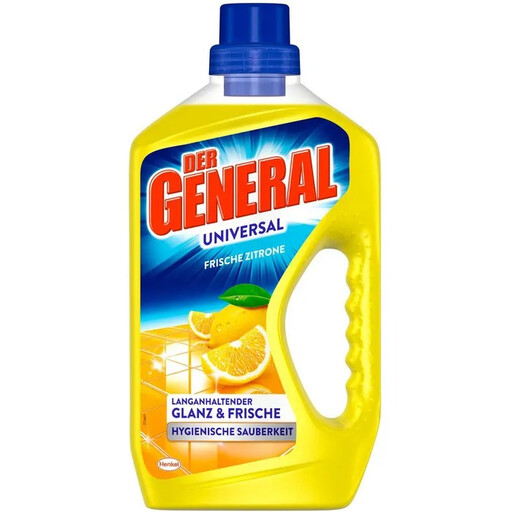
Why this product suits this profile: The concentrate is intended for wipe-clean surfaces and, according to the product information, is diluted at around 60 ml per 5 litres of water. This makes it possible to estimate coverage based on your own cleaning needs.
The recommended dosage makes consumption easier to assess than undiluted use. Before using it, check that the material is approved and read the safety instructions.
750 ml concentrate, citrus fragrance and pH-neutral formula according to the product description; no rinsing required after use.
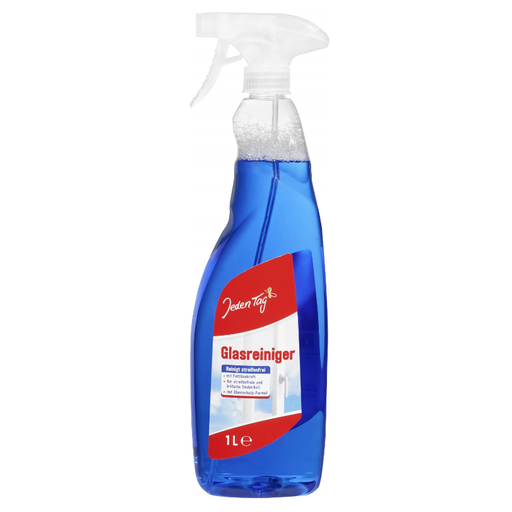
Why this product suits this profile: Clear usage instructions are important for windows, mirrors and glass tables. Spray the cleaner from a distance of 15 to 20 cm, then wipe it off with a dry, lint-free cloth.
The product information explicitly lists unsuitable screen types. It also recommends spraying the cloth first, rather than the surface directly, when cleaning painted areas.
1-litre bottle, less than 5% anionic surfactants according to the product information, and designed for streak-free cleaning of glass surfaces.

Why this product suits this profile: The gel is designed for use beneath the toilet rim. According to the product description, it can be left to work for up to 30 minutes on stubborn deposits before brushing and flushing.
The shaped bottle supports targeted application in hard-to-reach areas. The product information advises using protective measures such as gloves and eye protection.
750 ml contents, four-fold active-ingredient combination according to the product description, and a bottle made from 50% recycled plastic.
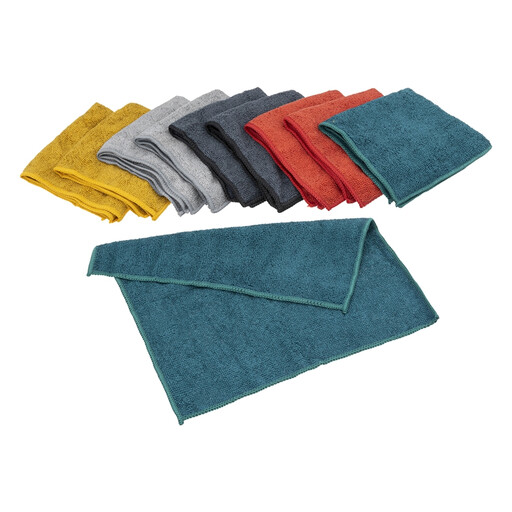
Why this product suits this profile: The set contains ten colour-coded microfibre cleaning cloths. Using different colours can help you keep cloths for the kitchen, bathroom and glass separate.
Using cloths separately for each area reduces the risk of transferring dirt from one zone to another. The cloths are washable at 30 °C; bleach and fabric softener should be avoided.
80% polyester and 20% polyamide according to the product description; suitable for dry dusting and slightly damp cleaning and polishing.
We have compiled a complete, regularly updated list of products that fully meet these strict selection criteria and the safety regulations applicable in the EU.
An all-purpose cleaner is suitable for many wipe-clean surfaces, provided the manufacturer’s instructions allow it. For glass, toilets, drains and heavy limescale deposits, specially formulated products are generally more suitable. Check material compatibility before every new application.
Shelf life depends on the product and how it is stored. Unopened containers should be kept in a cool, dry place away from direct sunlight. Check the best-before or use-by date on the packaging, and dispose of products whose consistency, smell or packaging has noticeably changed.
Compare the price per litre and, for concentrates, also the price per diluted application. For cleaning cloths and sponges, it is also important to check whether they are washable or intended for single use. A slightly larger starter pack may be worthwhile if the consumption, storage space and actual period of use are a good fit.