
Lieferung heute & morgen

Qualitätsgarantie

Willkommens-Angebote freischalten: KOSTENLOSE Lieferung | Bis zu 80 % RABATT | Kostenlose 30-Tage-JoyPlus-Testphase
App herunterladen
If you want to buy household essentials online, you’ll quickly find a wide choice of hygiene items, kitchen helpers, craft supplies and packing materials. Price alone, however, says little about whether a product will genuinely fit your day-to-day needs. What really matters are pack size, materials, dimensions and how you plan to use it.
A family pack can look great value at first glance. Always compare the price per roll, pack, sheet or kilogram. With tissues, for example, sheet count, sheet size and number of plies can vary considerably. A pack with lots of individual pocket packs is only practical if you have enough dry storage space.
Terms such as eco-friendly household items or sustainable packing tape should be checked more closely. Look for specific details on materials, recyclability and disposal. A kraft paper tape may be suitable for cartons, while its adhesive properties and compatibility with existing recycling processes depend on the specific product.
Clear labelling also helps with paper products. FSC certified means the product or the raw material used may be certified under the FSC system. The exact certification should be transparently stated on the packaging or product page.
Moist toilet tissue shouldn’t be treated the same as dry toilet paper as a matter of course. Even products marked accordingly should only be disposed of in small quantities, and only if your local wastewater system and household pipes allow it. Moist facial wipes, pocket tissues and kitchen paper should never go down the toilet.
For toilet paper and tissues, number of plies, sheet size and material are important comparison points. Three or five plies can offer different tear resistance and absorbency compared with single-ply products. Skin compatibility also depends on fragrances, care ingredients and your personal sensitivity. If irritation occurs, stop using the product.
Other materials matter around the kitchen and home:
A family pack with 24 tissue pocket packs can make sense for a large household. In a small flat, a smaller quantity is often more practical, as paper needs to be stored dry and protected from moisture. After opening, moist toilet tissue should be resealed to prevent it drying out.
Measure your available space and the device you use before buying. For air fryer baking paper, the diameter must match the basket. Toilet rolls should be compatible with your holder. For packaging tape, width and roll length matter, especially if you seal boxes regularly.
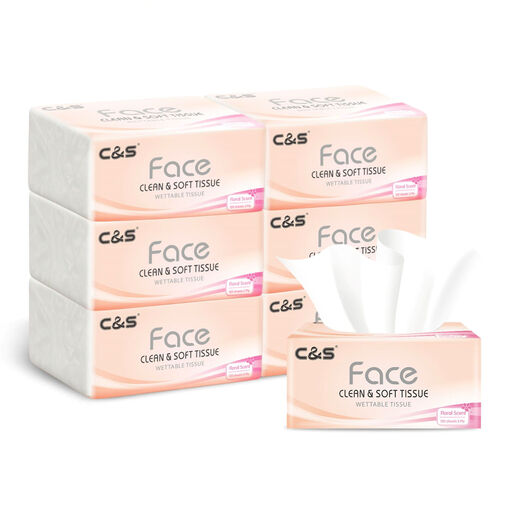
Why this product suits this profile: Six packs with 120 sheets each are ideal for regular household use and make quantity planning easier.
The total quantity is clearly stated as 6 × 120 sheets, making it easy to calculate the unit price.
Three-ply paper, 720 sheets in total and a stated sheet size of 195 × 133 mm.
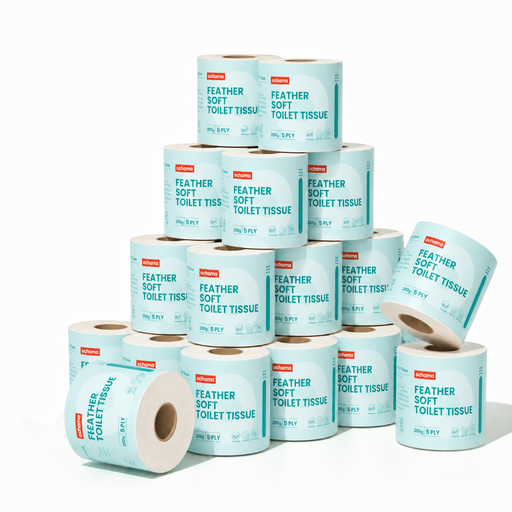
Why this product suits this profile: Five plies and a pack of 27 rolls cater to households that value both construction and having a good stock.
The number of rolls and the weight of 200 g per roll are stated, allowing for an objective quantity comparison.
Five-ply structure, 27 rolls and FSC labelling according to the product description.
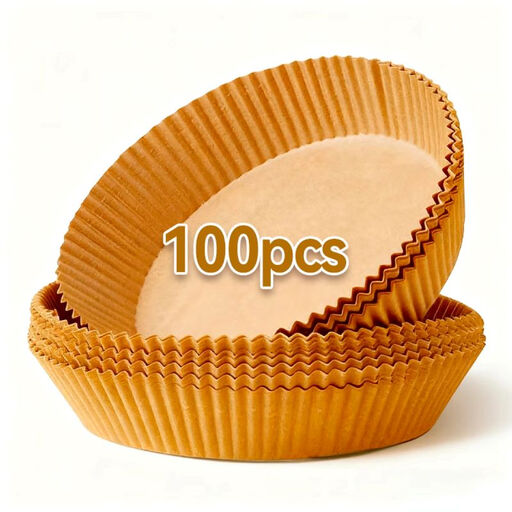
Why this product suits this profile: Air fryer users get a larger stock for regular kitchen tasks.
The pack contains 100 disposable sheets. Check your appliance basket’s diameter before ordering.
Designed for air fryers, ovens and food storage; heat resistance is stated in the product description.
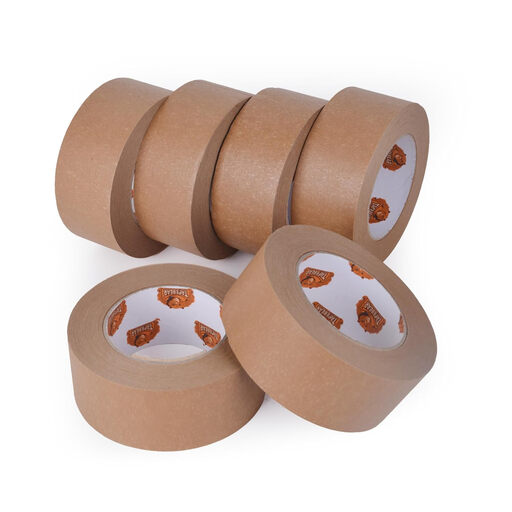
Why this product suits this profile: For shipping, moving house, storage and labelling, the multi-pack gives you predictable quantities.
Width and length are specified as 50 mm and 55 m per roll, respectively. Test actual adhesion on your intended carton.
Kraft paper surface, writable and, according to the product description, free from plastic components.
We’ve compiled a complete, continuously updated list of products that fully meet these strict selection criteria and the safety regulations in force in the EU.
For cooking and stocking up, frozen herbs such as chopped spring onions can be handy if they can be added straight from the freezer to soups, sauces or dips. Follow the storage instructions; once defrosted, do not refreeze.
With hygiene items, distinguish between facial tissues, moist toilet tissue and toilet paper. Facial tissues aren’t intended for the toilet. For on the go or everyday cleansing, moist wipes can complement dry paper, but must be disposed of as the manufacturer advises and with your local plumbing in mind.
For crafters, gel pens with a 0.8 mm tip, water-based ink and a tightly sealing cap are a good choice when you want fine labelling on dark paper. Pen caps are small parts and must be kept out of reach of young children.
Compare not just the total price but the unit price per sheet, roll, pack or per 100 g. For paper products, also consider number of plies and sheet format. Delivery costs and the storage space you need can also affect the true cost.
Dry paper goods usually don’t have a short use-by period, but should be stored in a cool, dry place away from direct sunlight. With moist wipes, reseal the pack after every use. The specific best-before or durability date and the storage instructions on the packaging are decisive.
Pocket tissues, moist facial wipes, kitchen paper and moist wipes not explicitly intended for this purpose should never go down the toilet. Even with moist toilet tissue marked as flushable, only use small quantities and follow local guidance on wastewater disposal.