
Lieferung heute & morgen

Qualitätsgarantie

Willkommens-Angebote freischalten: KOSTENLOSE Lieferung | Bis zu 80 % RABATT | Kostenlose 30-Tage-JoyPlus-Testphase
App herunterladen
If you’re looking for quality household and hand tools, you’ll find plenty of products with similar images and bold promises. But the differences often only become clear in everyday use: a cleaning handle doesn’t fit your existing attachment, a ratchet needs too much room to move, or a jewellery box offers less usable space than you expected.
This buying guide helps households, DIYers, carpenters, mechanics and jewellery lovers check product specifications carefully and avoid common buying mistakes.
Terms such as ‘professional’, ‘robust’ or ‘long-lasting’ don’t tell you much without specific material and size information. Check whether the manufacturer specifies stainless steel, aluminium alloy, chrome vanadium steel or simply refers to metal in general.
When choosing a telescopic cleaning handle, maximum length isn’t the only thing that matters. Weight, connection type and compatibility with your existing cleaning heads are important too.
With tools and storage solutions, size determines how practical they are for everyday use. A 1/4-inch ratchet is designed for smaller sockets and is particularly useful for working on screws and nuts on bicycles, vehicles or machinery where space is limited. A 200 mm try square, meanwhile, provides a defined blade length for marking and checking 90-degree angles.
When choosing a jewellery box, consider the internal layout and external dimensions together. Multiple drawers are only useful if your rings, necklaces and earrings actually fit into the compartments.
A lock, mirror or quick-release button can make a product easier to use, but these features shouldn’t distract from the basics. Check, for example, whether a lock actually comes with keys, whether a mirror is built into the lid, or whether a socket is held securely in the ratchet.
Chrome vanadium steel is a common material for hand tools used frequently. Check the surface finish too. A polished chrome finish can make cleaning easier and, according to the manufacturer’s product description, is designed to resist corrosion. However, this doesn’t mean the tool is completely rust-proof if it’s stored incorrectly.
A stainless steel blade is useful if you regularly use a square in a workshop or on a building site. An aluminium handle can help reduce the weight. What matters most is that the blade and handle remain securely joined at a right angle.
A 90-tooth ratchet has a smaller return angle than many models with fewer teeth. The DURATECH model is specified as having a working angle of 4°. This can be useful when working in tight spaces. A reversible ratchet should also have a clearly identifiable direction switch and a secure socket holder.
A quick-release head makes it easier to change sockets. If you’re working on a car or bicycle, check that you have the sockets you need, as they may need to be bought separately.
A carpenter’s square or precision square for woodworking should have a clearly legible scale and a solid connection between the stock and blade. A metric and imperial scale on both sides can make it easier to use from different directions.
Store metal tools in a dry place after use. Take care not to use squares as levers or striking tools. Keeping a tool accurate over time also depends on protecting it from drops and distortion.
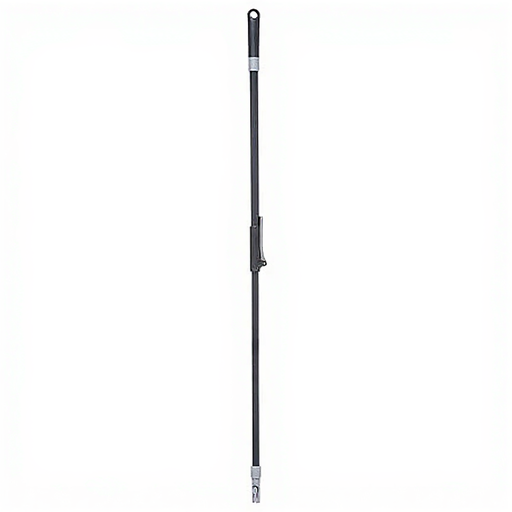
Why it’s a good fit: At 80 cm long, this cleaning handle is a good choice for households looking for a compact handle for floors and other surfaces.
The Click-and-Clean connection is clearly specified. Even so, check that it’s compatible with your existing cleaning head before buying.
Steel and PP construction, 80 cm length and a stated weight of 0,337 kg.
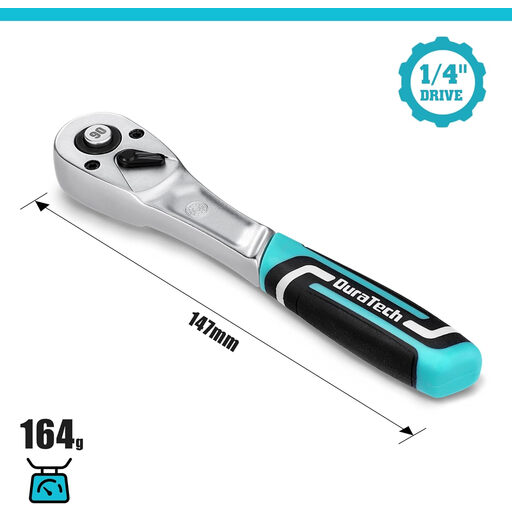
Why it’s a good fit: This model is designed for anyone who needs a small working angle when repairing a bicycle, car, motorbike or machine.
The specifications list the material, 90 teeth, 4° working angle, direction switch and quick-release button, rather than relying on vague claims about durability.
Chrome vanadium steel, a 90-tooth mechanism and reversible drive direction, with an ergonomic handle.
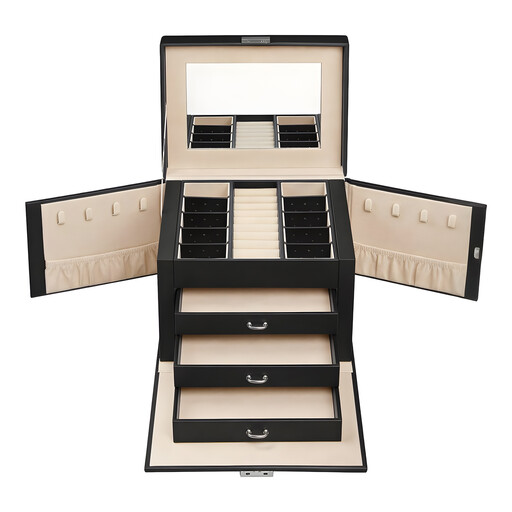
Why it’s a good fit: This lockable jewellery box is a good choice if you want to organise necklaces, rings and accessories separately while making the most of your space.
The specifications list external dimensions of 17,5 × 22,5 × 16,5 cm, three drawers, side hooks, a mirror and two keys.
Four tiers, a velvet-lined interior, carry handle and built-in mirror in one lockable case.
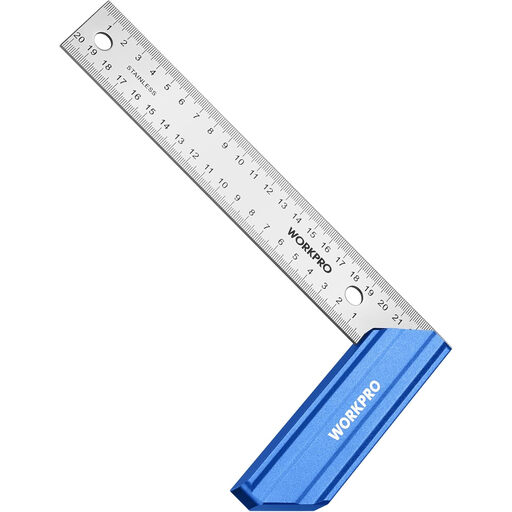
Why it’s a good fit: This square is designed for joiners, carpenters, metalworkers and DIYers who need to mark and check 90-degree angles.
The blade is specified as 200 mm long and 2 mm thick, with metric and imperial scales on both sides. This makes it easier to check the details before buying.
Stainless steel blade, aluminium handle, three-point fastening, laser engraving and hanging hole.
We’ve put together a complete, regularly updated list of products that meet these strict selection criteria and the safety regulations in force in the EU.
For simple repairs, it’s useful to have a tape measure, screwdrivers, pliers, a small hammer and a suitable ratchet. Depending on your home, you might also want a precision square for woodworking or a compact cleaning handle. The key is to choose tools that are the right size for the jobs you plan to do.
No. A 90-tooth ratchet can be useful in tight spaces because of its small stated working angle. However, it’s no substitute for a larger ratchet when you need high torque. Before buying, make sure the drive, socket size and fasteners you plan to use are compatible.
Keep the pieces you wear often in easy-to-reach compartments, and use separate sections for necklaces, rings and earrings. A jewellery box with drawers and side hooks can help keep different types of jewellery apart. Before buying, check that the external dimensions and internal layout suit the space you have available.