
Lieferung heute & morgen

Qualitätsgarantie

Willkommens-Angebote freischalten: KOSTENLOSE Lieferung | Bis zu 80 % RABATT | Kostenlose 30-Tage-JoyPlus-Testphase
App herunterladen
As your Joybuy Product Recommendation Officer, I see the vast array of household helpers on offer every day. From cleaning cloths to tablecloths, the selection is huge. But not every product lives up to its promises. A clear understanding of the basics will help you avoid disappointment and find textiles that truly make your daily life easier.
Many buyers face similar problems: a cleaning cloth advertised as "extremely absorbent" just spreads liquid around instead of soaking it up. An tablecloth declared "easy-care" shrinks or loses its shape after the first wash. Another common annoyance is overpriced specialty cloths whose cleaning performance is barely different from that of a conventional microfiber cloth. These experiences lead to unnecessary expense and frustration.
To avoid bad buys, you should focus on a few crucial product characteristics. These objective criteria are more important than any marketing message.
The material is the primary factor determining what a cloth or tablecloth is suitable for. Instead of relying on advertising claims, a look at the label helps.
The quality of a textile is evident not only in its material but also in its construction.
A truly easy-care product saves time and effort. Look for clear care instructions. The term "washable" should be supplemented with a specific temperature rating. Check if the textile can be washed at 40°C, 60°C, or is even boil-proof. This is particularly relevant for cleaning cloths and dish towels for hygiene reasons. Being wrinkle-free is another plus, especially for large tablecloths.
Based on these objective criteria, we have identified some products suitable for specific user profiles and their needs.
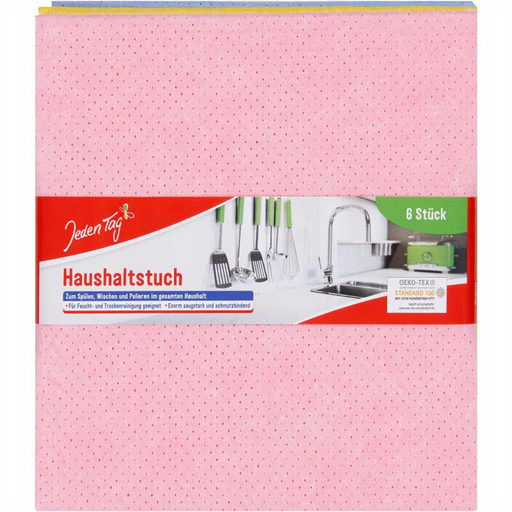
Why This Fits Their Persona: A practical and cost-effective solution for daily cleaning tasks throughout the house. Ideal for anyone looking for functional basics without the high cost.
Instead of vague promises, this cloth offers a clear material blend of 85% viscose and 15% polypropylene. This composition is known for its good absorbency for everyday messes and meets the expectations of a standard household cloth.
Lint-free and suitable for wet and dry cleaning. The perforated structure enhances its absorbency.
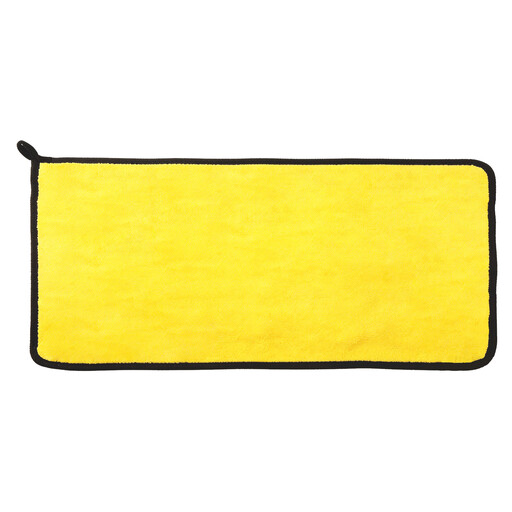
Why This Fits Their Persona: For users who need high performance for special tasks like car care or streak-free cleaning of glass, and who value the protection of delicate surfaces.
This cloth avoids the trap of exaggerated marketing claims with a clear, measurable specification: 600 GSM. This high weight is an objective indicator of a dense, soft, and extremely absorbent structure required for demanding tasks.
According to the manufacturer, it can absorb 7 times its own weight in water. The soft material is designed for use on car paint and other delicate surfaces.
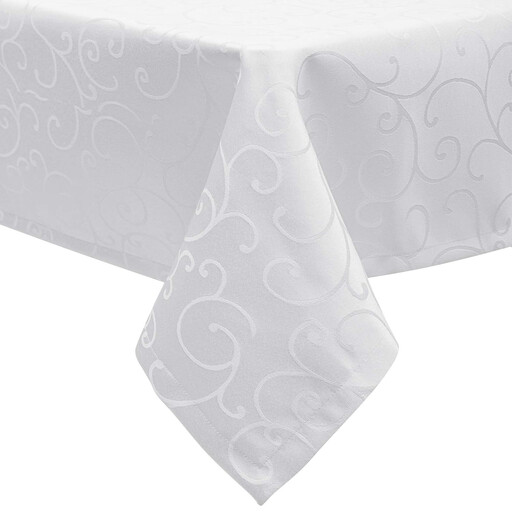
Why This Fits Their Persona: Perfect for families and hosts who want elegant table decor without sacrificing practical handling and easy cleaning.
Instead of a delicate fabric that's ruined after one mishap, this model made of 100% polyester offers a stain- and water-repellent surface. The "easy-care" promise is substantiated here by its wipeable nature and machine washability.
Wipeable, machine washable up to 40°C, and wrinkle-free. The damask look provides an elegant appearance.
We have compiled a complete, up-to-date list of products that fully meet these strict selection criteria and applicable regulations.
For good hygiene, it is recommended to change cleaning cloths used daily in the kitchen or bathroom every 1-2 days and wash them at a minimum of 60°C to kill bacteria. Microfiber cloths should not be washed with fabric softener, as it clogs the fibers and reduces their effectiveness. Replacement is advisable when the cloth no longer smells fresh even after washing or its absorbency has noticeably decreased.
For streak-free results on glass and mirrors, microfiber cloths are the right choice. Their fine fibers effectively pick up dirt and water without leaving behind lint or streaks. A two-step process is often helpful: one damp microfiber cloth for cleaning and a second, dry one for polishing. Special glass polishing cloths often have a finer, waffle-weave texture.
Yes, most polyester tablecloths are very easy-care and can be machine washed without any issues. However, it's important to follow the specific care instructions on the product label. Typically, washing at 30°C or 40°C on a gentle cycle is recommended. A major advantage of polyester is that it hardly wrinkles and is often considered "wrinkle-free".