
Lieferung heute & morgen

Qualitätsgarantie

Willkommens-Angebote freischalten: KOSTENLOSE Lieferung | Bis zu 80 % RABATT | Kostenlose 30-Tage-JoyPlus-Testphase
App herunterladen
As a Joybuy Product Recommendation Officer, I've seen soju, the popular Korean spirit, gain immense popularity. But as the selection grows, so does the uncertainty. Many people ordering soju online for the first time face the same question: Which bottle is right for me? This guide will help you avoid common pitfalls and make an informed decision.
A common misconception is that all soju tastes the same. People often buy a flavoured, sweet variety when they were expecting the clean, pure taste familiar from Korean films or restaurants. Another factor is the alcohol content, which can vary significantly and has a major impact on the drinking experience. Overlooking these details can lead to a disappointing first try.
To find the right soju for you, it helps to understand two key characteristics that define the character of every bottle.
Perhaps the most important distinction is between classic and flavoured soju.
The alcohol content is a direct indicator of the soju's intensity. While flavoured varieties are mild at 13%, classic versions like Jinro Soju Classic offer a more robust experience at over 20%.
A soju's quality is also determined by its base ingredients and production method. Traditionally, this Korean spirit is distilled from rice. Today, other starches like sweet potatoes, barley, or tapioca are also commonly used. Renowned brands like Jinro use sophisticated filtration processes, such as bamboo charcoal filtration, to achieve exceptional purity and a smooth taste. A look at the product description can provide insight into its quality.
Based on these criteria, we've selected a few products to suit different preferences and occasions.
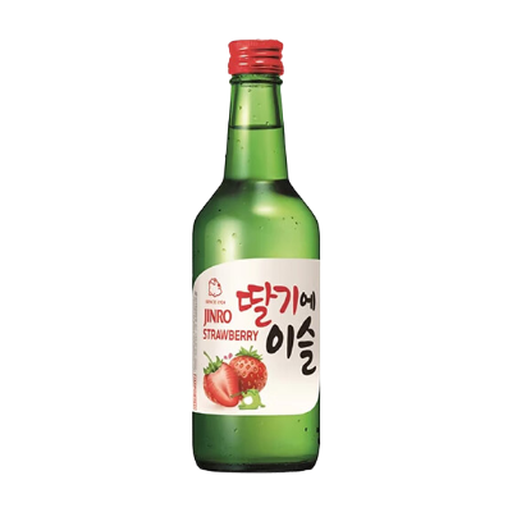
Why This Fits Their Persona: Ideal for anyone trying soju for the first time. The sweet strawberry flavour and low alcohol content make it very approachable and straightforward. It offers a gentle introduction without being overwhelming.
This product is clearly labelled as a flavoured variety. You know you're getting a fruity, light drink, which avoids any confusion with classic, unflavoured soju.
Pleasant sweet and fruity taste; low alcohol content of 13% ABV; best enjoyed well-chilled and neat.
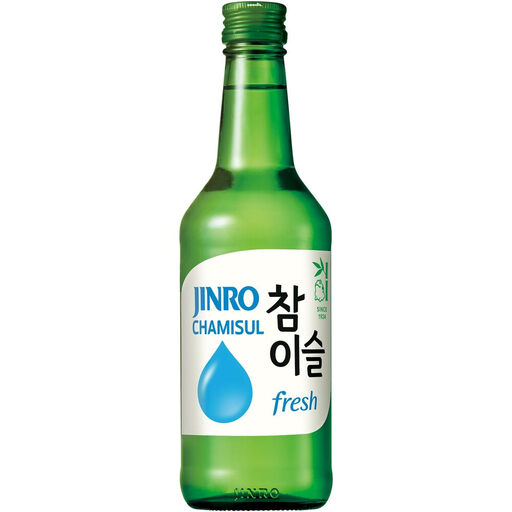
Why This Fits Their Persona: For those seeking the authentic, clean taste of soju. This variety is the standard in Korea and worldwide. Its clean, smooth character makes it the perfect base for cocktails or for sipping neat.
This is a classic, unflavoured soju. You get exactly what is considered an authentic Korean spirit, avoiding the "trap" of an unexpectedly sweet flavour.
Clean, smooth taste from bamboo charcoal filtration; versatile for sipping neat or in cocktails; moderate alcohol content of 16.5% ABV.
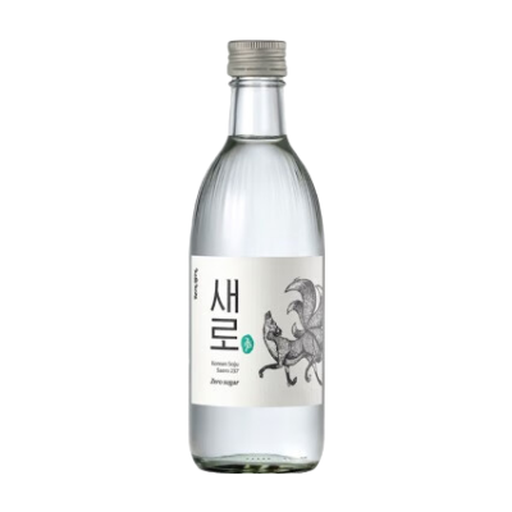
Why This Fits Their Persona: For connoisseurs looking for a modern interpretation of soju. This "Saero" (Korean for "new") variety is zero-sugar according to the manufacturer and uses alternative sweeteners, resulting in an exceptionally clean and crisp flavour profile.
This product highlights its unique ingredients and modern recipe. You are making a conscious choice for an innovative alternative, knowing it differs from traditional sojus.
Zero-sugar according to the manufacturer; modern, exceptionally clean taste; classic-range alcohol content of 16% ABV.
We have compiled a complete, real-time list of products that fully satisfy these strict selection criteria and UK safety regulations.
Traditionally, soju is served well-chilled in small, special soju glasses. It's a social drink, often enjoyed in company and paired with food (called "anju"). When pouring, it is customary to hold and fill an elder's glass with both hands.
Although both are from Korea, they are very different. Soju is a clear, distilled spirit with a relatively high alcohol content (13–21% ABV). Makgeolli, on the other hand, is an unfiltered, fermented rice wine. It is milky, slightly sparkling, and has a sweet-and-sour taste with a much lower alcohol content (usually 3–8% ABV).
An opened bottle of soju should be tightly resealed and stored in the refrigerator. Due to its alcohol content, it has a long shelf life. However, for the best flavour, it's recommended to consume it within a few weeks, as it can lose its freshness over time.