
Lieferung heute & morgen

Qualitätsgarantie

Willkommens-Angebote freischalten: KOSTENLOSE Lieferung | Bis zu 80 % RABATT | Kostenlose 30-Tage-JoyPlus-Testphase
App herunterladen
A foundation should even out your complexion without sitting visibly on the skin. In practice, however, buying the wrong product often comes down not to the product itself, but to a poor choice. A shade can look correct in an online shop and then appear too yellow or too pink on your skin. A matte foundation can look flaky on dry skin, while a radiant foundation can make oily skin look shinier faster.
As a Joybuy Product Recommendation Officer, the focus is therefore on clear, understandable criteria rather than marketing promises. The following tips will help you compare make-up foundation, liquid foundation, cushion foundation, cream foundation and CC cream with confidence.
"Light", "medium" or "dark" doesn't describe the undertone. For a foundation shade that truly matches, cool, warm or neutral undertones are also crucial. A shade that is too warm can look orange, while one that is too cool can appear greyish or pinkish.
When shopping online, you should therefore look beyond the depth of colour and also pay attention to descriptions such as "neutral", "cool", "warm", "rosy" or "golden". Colour representation can vary depending on your screen. If possible, compare the shade along your jawline and neck in natural daylight, not just on the back of your hand.
A foundation with high coverage can conceal redness and imperfections more effectively. However, that doesn't automatically mean it will look invisible in everyday wear. What matters is the buildable layer thickness and the texture.
A buildable foundation allows you to apply a thin layer first and then add targeted coverage where needed. This reduces the risk of a mask-like finish. For individual blemishes, a concealer can be a better option than covering your entire face with a very heavy layer.
A long-lasting foundation may contain film formers or powdery ingredients to help it stay in place. On dry skin, such textures can emphasise dry patches more. A foundation for oily skin, on the other hand, is often marketed with mattifying or oil-reducing properties, but can still look uneven if your skin lacks proper care.
"Long-lasting" also doesn't automatically mean water-resistant. So always check the specific product details regarding finish, skin type, water resistance and application.
Cosmetic products are not a substitute for medical treatment. If you experience burning, redness or itching, stop using the product.
A matte finish is generally less reflective and often suits those who want to reduce visible shine. A radiant foundation reflects more light and can create a fresh, glowing appearance. The so-called Korean Glass Skin foundation typically refers to a moisturising, light-reflecting look. However, this term describes a make-up finish, not a guaranteed change to your skin.
A foundation with SPF can contribute to your daily UV protection. The stated sun protection factor is based on the tested application amount. In everyday use, foundation is usually applied more thinly, so it does not replace a separate sunscreen during prolonged or intense sun exposure.
Also, check whether a product actually states an SPF value. Not every CC cream or foundation contains UV filters.
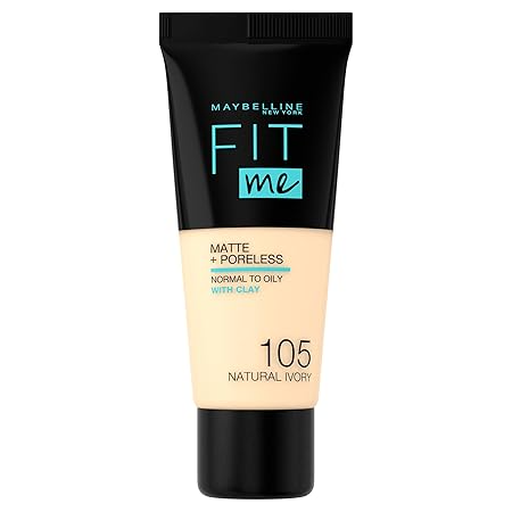
Why this product suits the profile: This liquid foundation offers straightforward application with fingers, sponge or brush and is designed, according to product details, for normal to oily skin.
The details on skin type and finish make it clear that the focus is on a matte result, not a luminous look.
Oil-free formulation, 30 ml content and an explicitly mattifying product profile.
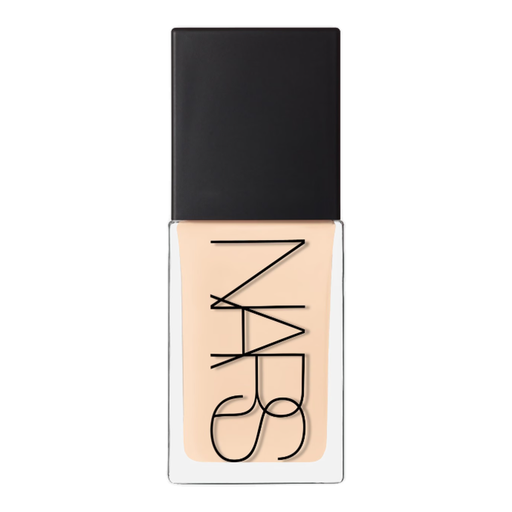
Why this product suits the profile: The lightweight, breathable texture is described as offering medium coverage with a naturally radiant finish.
The medium coverage can be an alternative to a very heavy full-coverage finish and is reportedly buildable.
30 ml content, natural radiance and a product positioning suitable for all skin types.
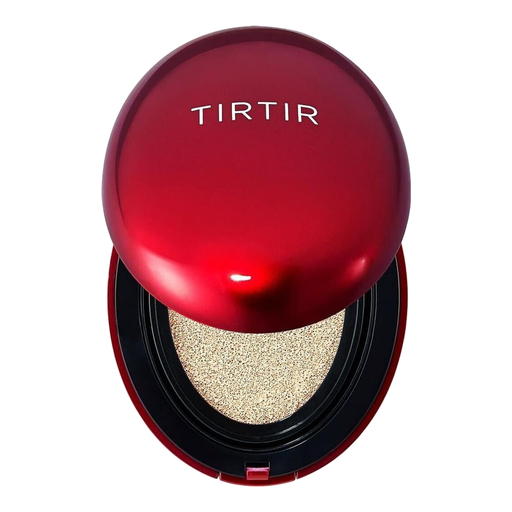
Why this product suits the profile: The cushion format is ideal for quick touch-ups on the go. It features SPF40, high coverage and a semi-matte finish.
The finish is described as semi-matte rather than purely glossy, making it easier to assess the desired look before purchase.
Integrated applicator, SPF40 and a cushion texture that can be applied in layers.
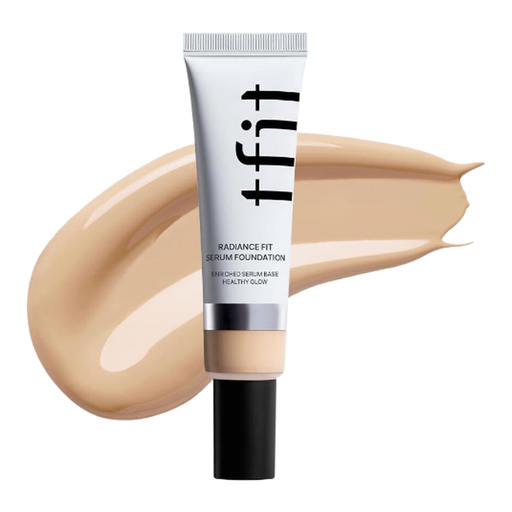
Why this product suits the profile: This serum foundation is described as having a lightweight, buildable application and a radiant finish. The INCI list includes glycerin, panthenol and ceramide NP, among others.
The product description explicitly mentions a lightweight serum base and a buildable result, rather than a rigid, heavy layer of coverage.
30 g content, luminous finish and several moisturising ingredients according to product details.
We have compiled a complete, regularly updated list of products that fully meet these strict selection criteria and the safety regulations in force in the EU.
If you have sensitive skin, it is advisable to do a small patch test before your first full application. Fragrances, essential oils and certain plant extracts can be tolerated differently from person to person.
A foundation for oily skin is often offered with a matte finish, oil-free formulation or oil-absorbing ingredients. The key is to apply only as much product as necessary and not to dry out your skin too much beforehand. For combination skin, a targeted dusting of powder may be sufficient.
Compare both the depth of colour and the undertone together. If possible, apply several similar shades along your jawline and check them in natural light. Let the foundation settle for a moment, as some formulations can change their colour appearance.
The best-before date and the jar-open symbol on the packaging are the key indicators. Check the smell, consistency and colour regularly. If you notice significant changes or skin irritation, stop using the product.