
Lieferung heute & morgen

Qualitätsgarantie

Willkommens-Angebote freischalten: KOSTENLOSE Lieferung | Bis zu 80 % RABATT | Kostenlose 30-Tage-JoyPlus-Testphase
App herunterladen
Choosing the right baking pan is often the first step towards a perfect cake. However, with the vast array of materials, shapes, and sizes available, the decision can be overwhelming. A cake that sticks to the bottom, bakes unevenly, or is difficult to release from the pan can significantly diminish the joy of baking.
This article serves as a practical guide. We will introduce different types of baking pans and explain which features are important for your specific baking projects. Our goal is to provide you with a solid foundation for making an informed decision, so you can find the cake pan that perfectly meets your needs.
To find the right pan, there are a few fundamental criteria to consider. The material, pan type, and coating play a crucial role in the baking result and handling.
A pan's material significantly influences heat conduction and, consequently, how evenly your cake bakes.
A high-quality non-stick coating is a key feature. It allows the cake to be removed effortlessly after baking, often without any extra greasing. To maintain it, you should avoid metal utensils and harsh cleaning agents, opting instead for gentle hand washing to extend the coating's lifespan.
Different types of cakes have different requirements for their pans. The three most common types for home use are:
Based on functionality, material, and applications, we have curated a selection of baking pans suitable for various baking projects.
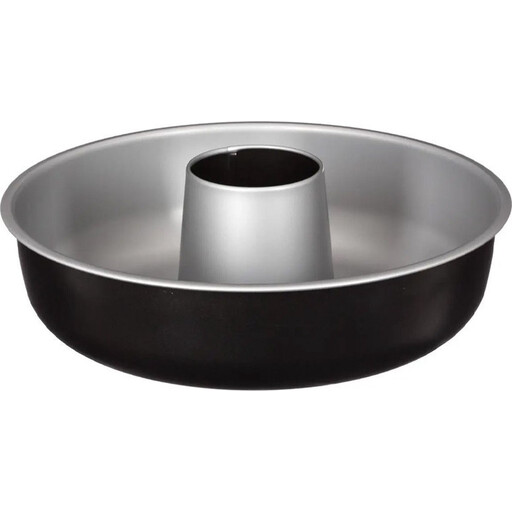
Why it stands out: This Bundt pan from 5five combines a classic design with practical features. With a 25 cm diameter, it's a standard size that fits most Bundt cake recipes. The sturdy metal construction is designed for durability in everyday kitchen use.
Advantages:
Who it's for: For home bakers looking for a reliable and straightforward Bundt pan for classic pound and yeast cakes.
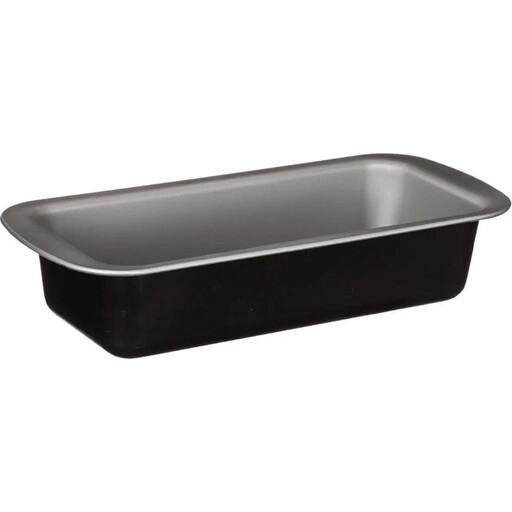
Why it stands out: The loaf pan from 5five is a versatile piece of bakeware. With a length of 29 cm (baking surface approx. 25 cm) and a capacity of 1.3 litres, it's suitable not only for sweet cakes but also for homemade bread or savoury p?tés. The simple black design blends seamlessly into any kitchen collection.
Advantages:
Who it's for: For anyone who needs a universal loaf pan for everyday use, whether for a quick weekend cake or fresh bread during the week.
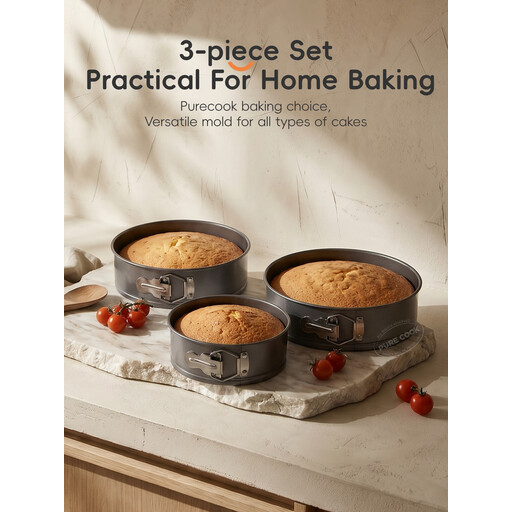
Why it stands out: This springform pan set from PURECOOK offers maximum flexibility for ambitious baking projects. It consists of three round pans in the common sizes of 18 cm, 20 cm, and 24 cm. The material, carbon steel, ensures exceptionally even heat distribution, which is advantageous for delicate batters like cheesecake. The quick-release latch allows you to cleanly remove the sides without damaging the cake.
Advantages:
Who it's for: Ideal for bakers who enjoy making more elaborate tortes, layer cakes, or cheesecakes. The set is also a great starter kit for families or baking novices to experiment with different cake sizes.
If you haven't found the perfect pan for your project in our selection, or if you need special baking accessories like muffin tins, tartlet moulds, or novelty-shaped pans, it's worth taking a look at our broader assortment.
Discover more options in our Dessert Mould category and find the right equipment for your next baking creation.
A springform pan has a removable ring that is opened and closed with a latch. This allows you to release the cake from the sides instead of inverting it. This is particularly advantageous for delicate creations like cheesecakes or tortes with soft fillings. A conventional round cake pan is made from a single piece and requires the cake to be turned out.
To ensure the longevity of the non-stick coating, hand washing with warm water, a soft sponge, and mild dish soap is recommended. You should avoid using metal utensils, steel wool, or abrasive cleaners, as these can scratch and damage the coating. The manufacturers of the products featured here also recommend hand washing.
A high-quality non-stick baking pan doesn't necessarily require parchment paper. The batter should release easily without it. Nevertheless, using parchment paper can be beneficial: it provides extra protection for the coating, especially with very sticky or sugary batters, and simplifies cleanup even further.