
Lieferung heute & morgen

Qualitätsgarantie

Willkommens-Angebote freischalten: KOSTENLOSE Lieferung | Bis zu 80 % RABATT | Kostenlose 30-Tage-JoyPlus-Testphase
App herunterladen
A face cream should moisturise, feel comfortable and suit your individual skincare needs. Yet choosing the right one often leads to disappointing purchases: a rich cream can feel heavy on oily skin, while a light lotion may not be enough for dry skin. Korean skincare products are also often promoted around individual trending ingredients, even though the overall formula, texture and application are just as important.
This buying guide from the Joybuy Product Recommendation Officer will help you put marketing claims into perspective and choose a face cream using clear, practical criteria.
Hyaluronic acid, ceramides, niacinamide, retinal, vitamin C and snail mucin are common ingredients in modern facial skincare. However, simply mentioning one of them says little about whether the product as a whole is suitable. The full INCI list, concentration, combination with other ingredients and your own skin’s tolerance are what really matter.
For example, a hyaluronic acid cream may have a light, gel-like formula, while a ceramide cream may also contain oils, waxes or rich emollients. Both products may be suitable as a moisturiser for the face, but they are designed for different skincare needs.
A universal claim is no substitute for assessing your skin type. If you are prone to shine and blemishes, a lighter texture is usually more suitable. For dry skin, a lotion alone may not be enough. For sensitive or reddened skin, short, straightforward formulas without perfume or essential oils are often easier to assess.
A non-comedogenic face cream may be worth considering for blemish-prone skin. However, this description should be treated as a guide, not a guarantee that individual intolerances are ruled out.
500 ml may seem attractive in terms of price at first glance, but this size makes most sense when the product is used on both the face and body or regularly shared by several people. A 50 ml jar is more suitable for targeted facial care or trying out a product. With jars, it is also important to handle the product hygienically; pump dispensers can make it easier to measure out the right amount each day.
For facial skincare for dry skin, glycerine, hyaluronic acid, ceramides, squalane and nourishing lipids are useful points of reference. A barrier repair cream may be a sensible choice if your skin feels dry or tight. Rich textures should be applied sparingly, particularly on combination skin.
For oily, blemish-prone or shiny skin, lightweight lotions and gel creams are often a better fit. The term “Oil Free” describes how the product is positioned, but on its own it says nothing about whether the formula will suit your individual skin.
The information on the packaging takes priority, as formulas can change. If you have a known allergy or experience persistent irritation, stop using the product and seek medical advice if necessary.
Cosmetic products intended for the EU market should include, among other things, a complete ingredients list, the details of the responsible person, the quantity of product and information about its shelf life or period after opening. Check the original packaging and make sure the product information matches the listing.
Before using a product for the first time, people with sensitive skin are advised to carry out a patch test on a small area. A face cream should not be applied to open, damaged or severely irritated skin unless the manufacturer expressly states otherwise.

Why this product suits the profile: The 50 ml cream is aimed at people who specifically look for ceramides and different forms of hyaluronic acid in their K-beauty moisturiser.
The selection is based on the complete stated formula rather than just one active ingredient: it contains several ceramides as well as different hyaluronic acid derivatives.
50 ml capacity, Ceramide NP, AS, AP, NG, NS and EOP, plus several listed forms of hyaluronic acid.
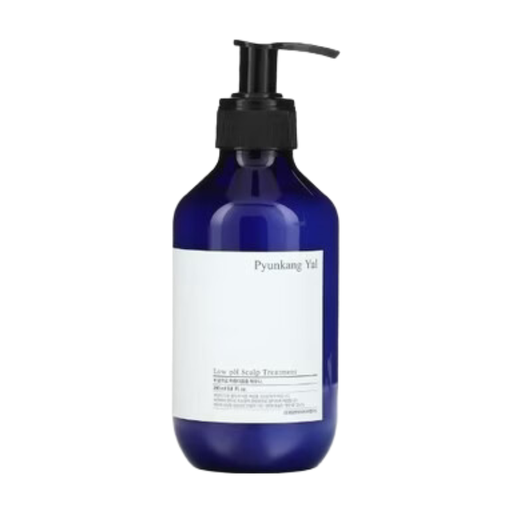
Why this product suits the profile: The large 500 ml pump bottle is practical if ceramide care is to be used regularly on both the face and body.
The product size is not mistaken for that of a face-only cream: its stated use for the face and body explains the large volume.
500 ml capacity, pump dispenser and Ceramide NP, NS, AS, EOP and AP in the stated ingredients list.
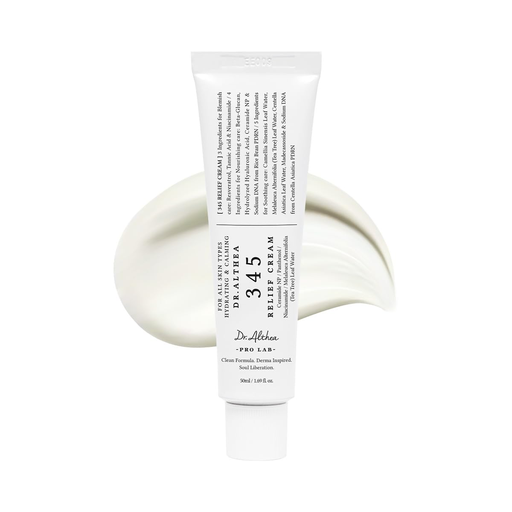
Why this product suits the profile: The gel cream is designed for lightweight application and may appeal to people with combination, oily or blemish-prone skin.
The formula is not promoted solely around “soothing”; it also lists niacinamide, panthenol, centella ingredients, Ceramide NP and Sodium Hyaluronate.
50 ml, lightweight gel cream texture and, according to the product information, tested and labelled as non-comedogenic.
We have put together a complete, regularly updated list of products that fully meet these strict selection criteria and the safety regulations applicable in the EU.
Apply your face cream after cleansing, when your skin is slightly dried or still a little damp. A small amount is usually enough for your face and neck. If you use several skincare products, the cream generally comes after lighter products such as toner or serum. In the morning, follow with a suitable sunscreen.
An anti-ageing face cream containing retinal or a vitamin C formula should be incorporated into your routine in accordance with the relevant manufacturer’s instructions. Avoid introducing a large number of new active ingredients at the same time, so that any skin reaction is easier to identify.
Look for a straightforward INCI list and check whether it contains perfume, essential oils or any personal triggers you already know about. A face cream for sensitive skin should first be tested on a small area. If redness, swelling, itching or persistent irritation occurs, stop using the product.
The best-before date or the open-jar symbol showing the period after opening on the packaging is the key information. Store the cream somewhere cool and dry, away from direct sunlight. Take products from jars with clean hands and close the container after use.
No. Price is no substitute for checking your skin type, the texture, ingredients, size and intended use. The right face cream is one whose formula and format suit your own skincare habits and which you can tolerate when used correctly.