
Lieferung heute & morgen

Qualitätsgarantie

Willkommens-Angebote freischalten: KOSTENLOSE Lieferung | Bis zu 80 % RABATT | Kostenlose 30-Tage-JoyPlus-Testphase
App herunterladen
A face serum is a cornerstone of an effective skincare routine. With highly concentrated active ingredients, it targets specific skin concerns—from dehydration and wrinkles to dark spots. However, the market is overwhelming and full of marketing promises that often create more confusion than clarity. This guide will help you understand the key factors and make an informed decision.
Before investing in a new product, it's helpful to recognise common marketing traps that can lead to unsuitable purchases.
To find the right serum, you should focus on objective criteria tailored to your skin goals.
Identify your primary skin concern and choose the appropriate main active ingredient. Each category has a specific function:
The effectiveness of an active ingredient depends on how it penetrates the skin. Pay attention to the following aspects:
Instead of a one-size-fits-all recommendation, we present formulations tailored to specific user profiles and their skin goals.
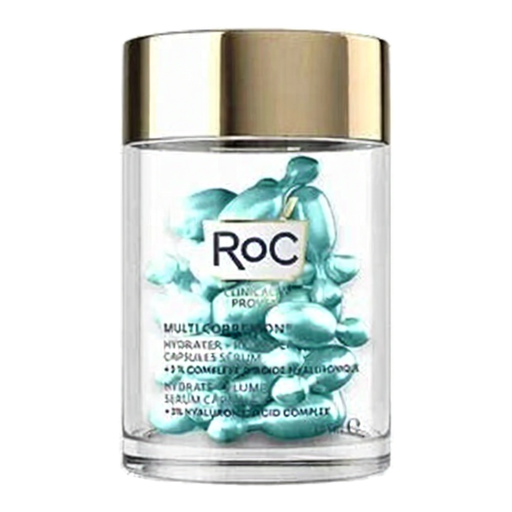
Why It's a Match: Perfect for those new to the world of serums who are looking for a straightforward, hydrating product. The focus is clearly on hydration and plumping with hyaluronic acid.
It avoids vague promises and concentrates on a clear goal: "Hydrate + Plump." The single-dose capsules protect the active ingredient from oxidation, ensuring a fresh, effective dose with every application.
The pre-portioned, biodegradable capsules are convenient for use at home and while travelling, and they ensure the stability of the hyaluronic acid.
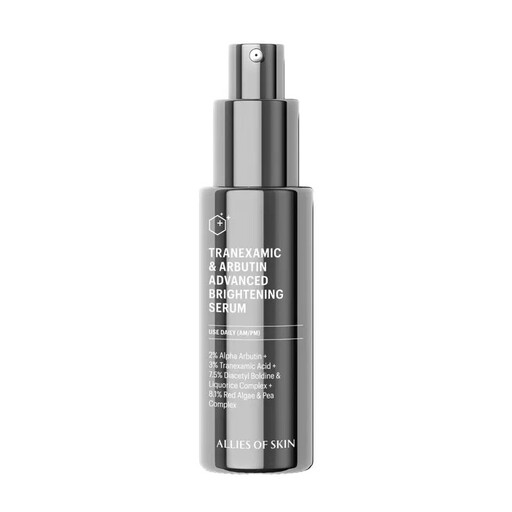
Why It's a Match: For users who want to specifically target stubborn dark spots and an uneven skin tone, and are looking for an advanced formulation beyond standard Vitamin C.
This serum debunks the "miracle ingredient" myth by using a sophisticated combination of 3% Tranexamic Acid, 2% Alpha Arbutin, and other complexes to tackle hyperpigmentation from multiple angles.
The formulation is designed for the targeted treatment of discolouration and has been ophthalmologist-tested, allowing for use around the eye area as well.
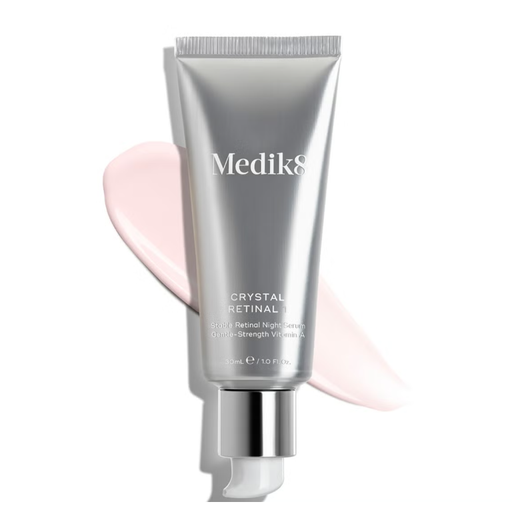
Why It's a Match: For experienced users who are familiar with retinoids and are seeking a more potent yet well-tolerated form. Retinal is a more advanced precursor to retinoic acid than traditional retinol.
It directly addresses the problem of retinoid stability and irritation. The patented crystal encapsulation system protects the retinal and releases it gradually into the skin, which improves tolerability.
Contains 0.01% stabilised retinal, a form of Vitamin A that, according to the manufacturer, works faster than retinol. The formulation is designed as an entry point into the Crystal Retinal range.
We have compiled a complete, up-to-date list of products that fully meet these strict selection criteria and comply with current regulations.
A serum should always be applied to slightly damp skin after cleansing and using a toner, if any. Its lightweight texture allows the active ingredients to penetrate deeply. Follow up with a moisturiser to seal in the active ingredients and hydration. During the day, sunscreen is an essential final step.
Yes, a practice known as "layering" is possible, but it requires some knowledge. A good rule of thumb is to layer from the thinnest to the thickest consistency. However, be careful not to combine certain active ingredients directly. For example, highly concentrated Vitamin C and niacinamide or retinoids should not be mixed in the same application. A safe method is to use different serums at different times of the day (e.g., Vitamin C in the morning, retinol in the evening).
Visible results depend on the active ingredient and the skin goal. A hyaluronic acid serum can provide an immediate plumping effect by hydrating the top layer of the skin. For active ingredients like retinol, Vitamin C, or peptides that work at a cellular level to improve texture, wrinkles, or pigmentation, patience is required. It can take 4 to 12 weeks of consistent use to see significant changes.