Motion algorithm teams
You need to run your own control software and carry out repeatable trials on a bipedal system, not just use pre-programmed movements.


Choose a platform based on the specific trial. If you’re developing your own control or motion software, verified development access and the configuration actually on offer are key. For grasping trials, the hand, sensors and interfaces need to work together. If the trial process or operational workload is still unclear, a supported pilot can help you define your requirements. However, it doesn’t replace agreed development rights or checks of the safety and conformity documentation before purchase.
You need to run your own control software and carry out repeatable trials on a bipedal system, not just use pre-programmed movements.
For your project, the specific hand, available sensor data and capabilities for perception or interaction with people all need to work together.
You want to define your test objectives and operational workload in a supported trial before specifying a platform of your own.
First, decide exactly what you want the robot to do during the trial. Then clarify development access, hand and sensor options, and how you plan to operate it in the lab.
| Priority | What to check before buying | Who should pay particular attention? |
|---|---|---|
| Development access | Confirm the SDK, accessible computer, ROS or DDS interfaces, and usage rights for the exact variant. | If I need to run my own motion or perception software on the robot, access to the right commands and data matters. Around 29% of consumers say development access is their top priority. |
| Hands and grasping data | Confirm the hand model, sensor configuration, control protocol and what’s included in the delivery, item by item. | For grasping and tactile trials, the hand you order must provide the specific data you need. Around 24% of consumers prioritise hand configuration and grasping data. |
| Movement and scale | Check the test area, scale required, sensor access and availability of a simulation model. | If I’m studying movement or interaction in realistic spatial conditions, the right scale is crucial. Around 23% of consumers prioritise movement, perception and test scale. |
| Safety and documentation | Have an expert check the scope, documentation for the specific complete configuration and planned commissioning date. | If I’m responsible for preparing safe lab operations, I need clarity on the classification and operating documentation for the specific system. Around 18% of consumers say this is their most important purchasing consideration. |
| Pilot and support | Agree on testing rights, operator requirements, training, maintenance, battery servicing and responsibility for add-ons. | If I want to define the trial before committing to a full purchase, I need a pilot with appropriate testing rights and clear support arrangements. Around 6% of consumers put a supported preliminary test first. |
Regulation (EU) 2023/1230 applies from 20 January 2027, when it replaces the Machinery Directive. Germany’s 9th ProdSV will cease to apply at the end of 19 January 2027. The requirements for a specific system depend, among other things, on its classification and configuration. The exemption set out in § 1 of the 9th ProdSV for machinery specifically designed and built for research purposes and intended for temporary use in laboratories does not automatically apply to every university or research project. Check the intended date of supply and commissioning, as well as the documentation for the specific system.
Unitree distinguishes between the standard G1 and the EDU version in terms of development access. The manufacturer’s shop states that the standard G1 does not support secondary development.
Before placing your order, confirm the full variant name and the promised development access in writing.
Choosing the wrong variant could mean switching platforms before you can start your planned software trial.
The documented G1 EDU configurations differ in several respects, including the Dex3-1 hands and their tactile sensor equipment. A hand option does not prove that it’s included in the specific offer.
Ask for the hand variant, tactile sensors, interfaces and delivery contents to be listed individually in the offer.
A German rental offer from TONEART specifies that the robot can only be used with an operator and technical specialist present. This does not confirm unrestricted SDK access or independent lab operation.
Before agreeing to anything, specify your test objectives, development rights and the access you need to data and programmes.
§ 1 of the 9th ProdSV limits the exemption to machinery specifically designed and built for research purposes and intended for temporary use in laboratories. The type of buyer alone does not determine whether it applies.
Check the scope of application and the documentation for the complete configuration on offer, based on the intended commissioning date.
For projects requiring documented development access, distinguish the G1 EDU variant from the standard G1.
TALOS is positioned as a human-scale bipedal research platform for movement and manipulation trials.
The GR-1 documentation describes an Aurora motion control SDK for development trials.
OP3 is a small humanoid platform for teaching, basic research and open experimental setups.
The Joybuy offers below include humanoid development and motion platforms, as well as a G1 model with grasping hands. For the specific variant, check development rights, what’s included and the safety and conformity documentation required.
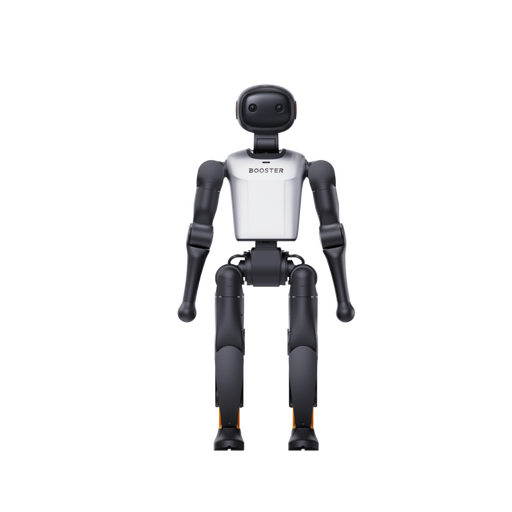 No image available
Described as an embodied AI development platform, this model may suit trials using your own software. Check the development access available for the specific configuration.
The product title lists 48 TOPS AI and 22 DoF.
No image available
This education and research development platform may suit university and research projects. Check which development tools and rights are included in the specific offer.
The product title lists 117 TOPS AI and 22 DoF.
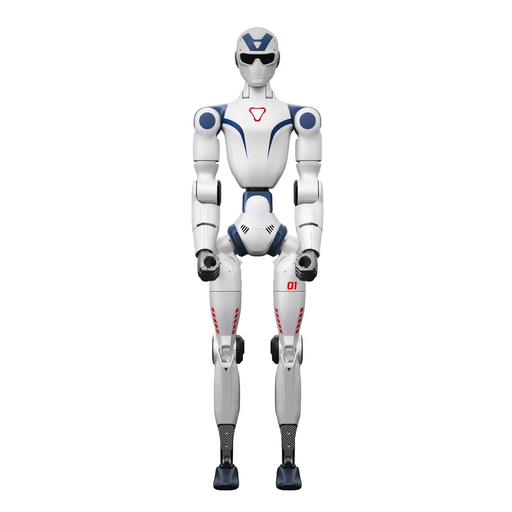 No image available
The movement and interaction features listed in the product title may be relevant to related research questions. Check that you can access the data and functions you need.
The title lists 26 DoF, dual cameras and an integrated AI language model. Note the warning about moving joints and use the emergency stop if the robot moves unexpectedly.
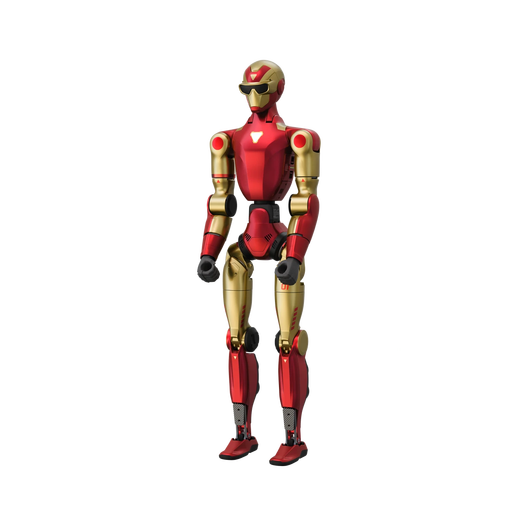 No image available
This model is also described as suitable for developers and researchers. Check that the listed interaction features meet the requirements of your trial.
The title lists 20 DoF, a monocular camera and an AI language model. The warning mentions the risk of falls and crushing injuries: don’t operate the robot near stairs or edges, or on uneven ground, and use the supplied charging adapter.
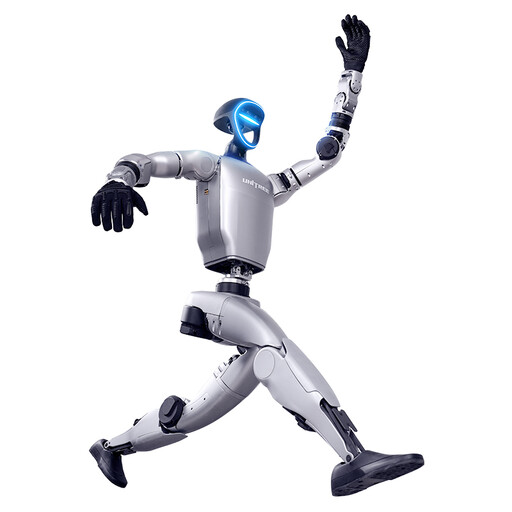 No image available
The hand configuration may suit supported physical manipulation trials, but not projects that require you to develop your own software.
According to the product information, this version does not include an SDK/API; subsequent development modifications and custom adjustments are not available.
No. § 1 of the 9th ProdSV refers to machinery specifically designed and built for research purposes and intended for temporary use in laboratories. You’ll need to check whether a specific system meets these conditions; use by a university alone does not establish that the exemption applies. The relevant legislation is the 9th ProdSV, published by the German Federal Ministry of Justice.
§ 3 of the 9th ProdSV lists, among other things, technical documentation, required information including operating instructions, the applicable conformity assessment procedure, the EC declaration of conformity and CE marking. Check how these requirements apply to the configuration on offer; a CE claim in marketing copy is no substitute for this check.
The 9th ProdSV will cease to apply at the end of 19 January 2027. From 20 January 2027, Regulation (EU) 2023/1230 will apply, replacing the Machinery Directive. Agree the planned date of supply or commissioning and the applicable requirements with your supplier. The EU Regulation also includes a narrowly defined exemption for products specifically designed for research purposes and intended for temporary use in laboratories.
There’s no general answer. Include the specific modification and intended use in your safety assessment. Regulation (EU) 2023/1230 sets out obligations for people who make a substantial modification; whether a particular alteration qualifies depends on the circumstances.
Check the legal basis for processing data in your specific trial and how recordings containing personal data will be handled. In its guidance on video surveillance, the German Data Protection Conference emphasises the need to assess each case individually: simply entering a clearly marked camera area does not count as informed consent. This does not amount to blanket approval or a general ban on recording for research.