What matters when choosing?
When standardised load carriers need to move between fixed points, a transport platform is usually the most obvious option to assess first. If different items need to be picked up at existing workstations, consider mobile manipulation as a limited pilot; Fraunhofer IPA points out that a demonstration alone doesn’t prove a process is ready for production.
Humanoid robot with mobile manipulation
Worth considering when: different items need to be picked up, transported and put down as part of the same workflow.
Things to consider: the type of gripper, the actual arm payload and the safe, repeatable performance of the entire workflow must be assessed at the site.
AMR with a transport attachment
Worth considering when: containers, carts or shelving need to move between set points, and handover can be handled separately.
Things to consider: platform payload is not the same as gripping capability; the attachment, load securing and handover equipment must suit the task.
Mobile platform with fixed automation
Worth considering when: routes may change, but handovers can be standardised at a small number of fixed points.
Things to consider: the interface between the vehicle and the station needs its own planning and a safety assessment of the entire process.
| Question to consider |
What to check before buying |
Who should pay particular attention? |
| Complete transport workflow |
Ask for a demonstration of the full workflow, including the load carrier, handover heights, pick-up and drop-off, and the required attachment or gripper. |
I want to move containers between fixed handover points and need to know whether pick-up and drop-off work as part of the same process. Around 28% of consumers put the complete transport workflow first. |
| Gripping capability and payload |
Check the items’ weight and shape, the gripper supplied with the model on offer, the load’s centre of gravity and tests using your actual containers. |
When handling different items, I’d first check whether the specific configuration can grip them and carry them throughout the intended workflow. Around 22% of consumers prioritise gripping capability and payload. |
| Safety in shared operations |
Include routes, areas where people and vehicles meet, load securing, safety measures, training and responsibilities in the risk assessment. |
If employees use the same areas, I need the planned use and its hazards to be assessed. Around 22% of consumers put safety in shared work areas first. |
| Routes and integration |
Check aisle and doorway widths, flooring, gradients, pedestrian traffic, IT interfaces and communication with stations for the specific configuration. |
In an existing warehouse, I want to know whether the vehicle and handover points will fit the current layout. Around 17% of consumers prioritise routes and integration. |
| Support and total costs |
Get quotes for commissioning, training, spare parts, response times and maintenance for the exact model and site. |
Before buying, I want responsibilities and ongoing support for the site set out in the contract. Around 11% of consumers focus on service and total costs. |
Joybuy products for mobile manipulation
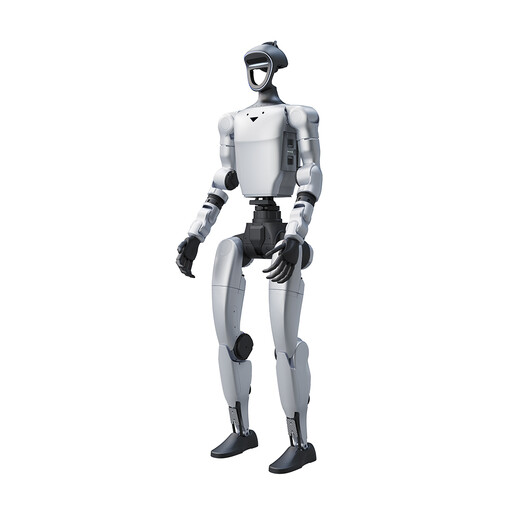
This selection includes Unitree G1 models for assessing humanoid mobile manipulation. A product description or pilot doesn’t replace an assessment of the specific configuration and workplace safety plan.
 No product image available
Unitree G1 Humanoid Robot with force-controlled hands
Worth considering for a limited pilot assessing mobile object manipulation; the product name doesn’t confirm that the transport process is ready for production.
The product description mentions force-controlled hands for object manipulation and states that SDK/API is currently unavailable. Check in advance whether the integration access you need will be provided.
View on Joybuy
 No product image available
Unitree G1 Pro Embodied Intelligence Robot
Worth considering as a humanoid platform for assessing mobile manipulation in a limited pilot; the model name alone doesn’t prove it’s suitable for a particular transport workflow.
The product description lists 29 degrees of freedom in total, including 16 joint degrees of freedom. These figures describe the model configuration, not the payload or performance of a complete transport cycle.
View on Joybuy
Frequently asked questions
When is an AMR enough instead of a humanoid?
An AMR is the first option to assess when a suitable load carrier can travel between defined points and pick-up and drop-off can be handled without changing manual tasks. If the workflow involves different picking tasks at existing workstations, you can assess mobile manipulation in a limited pilot. Platform payload and arm payload describe different capabilities.
What should you check before using shared aisles?
Assess hazards such as collisions, crushing, tipping and falling loads on the actual traffic route, then put appropriate safety measures and training in place. BAuA describes risks associated with mobile work equipment; Fraunhofer IPA highlights the additional challenges of safety-related functions in humanoid applications.
Which ongoing costs should you include in a request for quote?
Ask for separate costs for the attachment or gripper, handover point integration, training, maintenance and service for the specific model and site. Also agree the scope of service, response times and responsibilities in the contract.
Which machinery rules apply if equipment is placed on the market before 20 January 2027?
According to the European Commission, machinery placed on the EU market before 20 January 2027 must comply with the Machinery Directive 2006/42/EC. When purchasing, check the actual date and circumstances in which it is placed on the market, along with the documentation for the specific configuration.
Does CE marking replace a workplace risk assessment?
No. The European Commission describes conformity assessment as part of the obligations involved in placing a product on the market. Under Section 5 of the German Occupational Safety and Health Act, employers must also assess the hazards associated with the specific use and identify suitable measures.


