What should schools look for when buying?
Programmable educational robots
A good fit if: Learners are expected to create movement sequences and simple programmes themselves, with guidance. ROBOTIS documents R+ Task and R+ Motion for MINI; UBTECH lists Blockly lessons for Alpha 1E.
Consider: Software features are no substitute for suitable teaching materials in the language you need, or for checking the specific device version.
Robots for language and storytelling activities
A good fit if: Teachers are leading dialogues or storytelling prompts in supervised lessons. Génération Robots describes the language and programming features of NAO V6; Navel Robotics lists a Control Studio and a Python SDK.
Consider: If the device has microphones, cameras or external services, check how data is processed and how these features can be switched off for the specific version. The Heilbronn pilot project does not prove the effectiveness of a product you can buy.
Development platforms for STEM projects
A good fit if: A group with technical support is exploring robot software, sensors and movement. ROBOTIS Docs lists ROS 2 for the OP3 relaunch from 2025; Unitree distinguishes between the standard and EDU configurations of the G1.
Consider: The specific version determines the development access and equipment available. You’ll also need a clear plan for the movement area, supervision and maintenance.
| Buying priority |
What to check before buying |
Who is it most relevant to? |
| Language interaction |
Ask for a demonstration of dialogue controls, the language you need and the teacher’s role for the specific version. |
If I’m planning teacher-led storytelling, the interaction needs to fit the lesson plan. Around 26% of buyers put language development first. |
| Programming access |
Ask them to confirm the software version and actual access to tasks, example files or an SDK for the model on offer. |
For a coding club, what matters is whether learners can edit programmes and movements themselves. Around 21% of buyers prioritise programming access. |
| Data and sensors |
For the hardware, software and app, check which sensors are active, where data is sent and how features can be disabled. |
If learners talk to the device or it captures images, I want to clarify data flows and responsibilities in advance. Around 21% of buyers are particularly concerned about data minimisation. |
| Supervision and movement |
Agree on the operating instructions, movement area, how to stop the device, transport and who is responsible for supervision. |
For use in a learning space, I need to know who will supervise the device and how its movements can be controlled. Around 16% of buyers prioritise supervision and safe, manageable operation. |
| Training and maintenance |
Check the offer to clarify who is responsible for training, updates, spare parts and repairs for the specific version. |
If technical support is not a firm part of the staff rota, I need a clear route for servicing and maintenance. Around 16% of buyers prioritise ongoing support. |
For use in Germany, the organisation should also check the CE marking and relevant conformity documentation for the specific device. If the system processes personal voice, image or other data, clarify the legal basis, configuration and responsibilities in advance. In its guidance of 6 May 2024, the German federal and state data protection authorities list purpose, lawfulness, data processing, transparency and choice as points to check, among others. The guidance is not a definitive set of requirements for a particular school or product.
Joybuy products for lessons and robotics projects
The selection includes humanoid development platforms for supervised robotics and STEM projects, as well as models presented as offering interaction or language features. Before use, check the documentation, data processing and operating conditions for the specific version.
 No image available
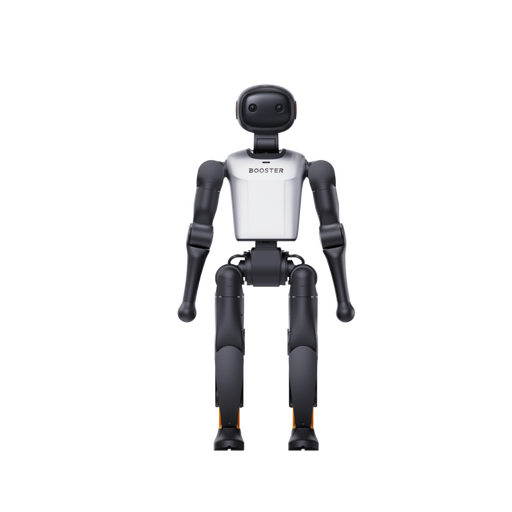
Booster Robotics K1 Geek
Its positioning as a development platform makes it a good fit for robotics and STEM projects with technical support.
Listed in the product title: 48 TOPS AI and 22 DoF.
View at Joybuy
No image available
Booster Robotics K1 Edu
Its positioning for education and research in the product title makes it a good fit for supervised robotics projects.
Listed in the product title: 117 TOPS AI and 22 DoF.
View at Joybuy
 No image available
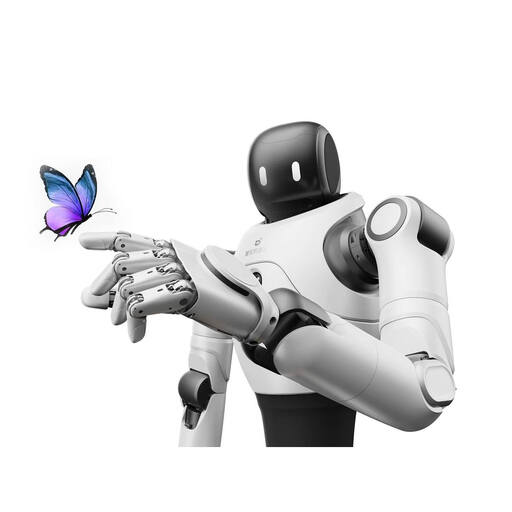
AGIBOT X2
The product name highlights intelligent interaction; check whether the features suit your supervised lesson plan.
Before use, clarify the language, sensor and data features of the specific version on offer.
View at Joybuy
 No image available
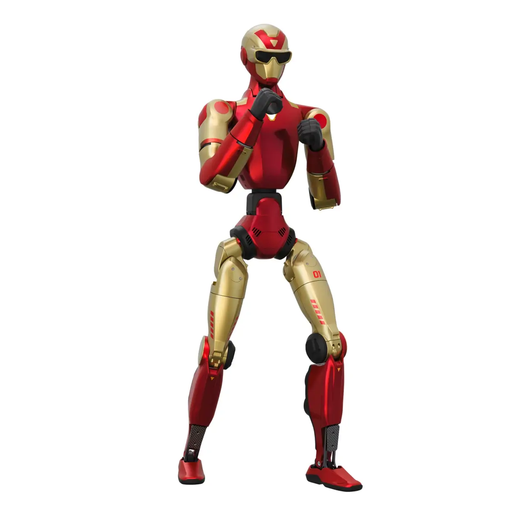
Unitree R1
The product name mentions an AI language model and intelligent interaction for supervised interactive activities.
Listed in the product title: two cameras and 26 degrees of freedom. The description warns of injury risks within the movement area and mentions an emergency stop function for irregular movements. Data processing and supervision must be clarified before use.
View at Joybuy
 No image available
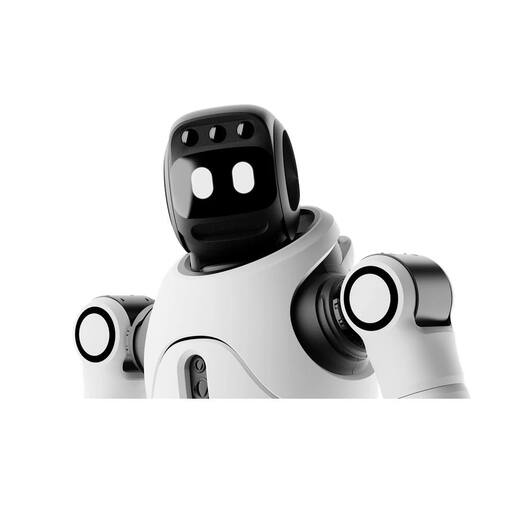
AGIBOT X2 Ultra
The product name mentions secondary development and autonomous navigation; check whether these features suit your supervised project.
The product description warns of crushing and impact risks and says children must not operate the device or play near it while it is running. Plan the movement area and supervision accordingly.
View at Joybuy
Frequently asked questions
Is a humanoid robot with a CE mark automatically suitable for school lessons?
No. The CE mark alone does not prove that a product is suitable for teaching or that its data processing is appropriate. For products it oversees, the German Federal Network Agency lists checks including the CE mark, product identity, German-language instructions and a declaration of conformity. The organisation must separately assess whether the product is suitable for its school.
What level of supervision should be planned when using a robot?
The level of supervision depends on the specific device and how it is used. According to its German operating instructions, Navel recommends having someone supervise the robot even when it is operating autonomously. This model-specific recommendation is not a general statutory supervision ratio for all robots.
What should an education provider check about maintenance and ongoing support?
Set out responsibilities for training, updates, repairs and any required software in the specific offer. For example, Navel’s German operating instructions refer to training, updates and maintenance, but this does not amount to a general service commitment for other models.
What should you consider when using an AI language feature and personal data?
If personal data is being processed, those responsible must clarify matters including the purpose, legal basis and transparency before use. The German federal and state data protection authorities cover these points in their guidance of 6 May 2024; it is not a definitive set of requirements for a particular school or product.


