What should you consider when choosing?
First, establish whether the process involves changing handling tasks or a fixed, repeatable activity. For fixed processes, compare specialised automation alongside a humanoid robot. On 10 March 2025, Fraunhofer IPA reported that respondents considered wheeled platforms or stationary dual-arm systems more suitable, depending on the task.
| Consideration |
What to check before buying |
Who it matters most to |
| Workplace safety |
Have routes, grippers, moving objects and stopping behaviour assessed; check that protective measures are effective before the first use. The DGUV highlights the risk of potential collisions. |
If employees might enter the test area, I want routes, grippers and stops assessed in advance. Around 31% of consumers put safety in the specific workplace first. |
| Task capability and operator involvement |
Define the workpieces, variants, routes and success criteria; record successful runs, errors, interventions and operating time separately. Fraunhofer IPA identifies technical limitations as an important part of pilot planning. |
For a specific picking or transport task, I want to know how often the process succeeds and when people need to intervene. Around 31% of consumers prioritise proof that the robot can perform the task. |
| Integration with existing processes |
Set out IT and equipment interfaces, programming, workplace changes and training in the scope of work; confirm software access for the exact variant. |
If my team needs to connect the robot to existing equipment and IT systems, I need clear responsibilities and the right access. For around 23% of consumers, integration is the top priority. |
| Procurement and support requirements |
Compare rental, purchase and leasing offers for the same task and duration; list travel, technician hours, set-up, training, insurance and ongoing support separately. |
To make a decision for my business, I want to know what’s included in the pilot and what my team will need to handle itself. Around 15% of consumers focus primarily on procurement and support requirements. |
Humanoid robots at Joybuy
The Joybuy products below are humanoid robots and development platforms. Their stated purposes and available access vary by model. Product descriptions do not prove performance on a specific operational task or workplace safety. Assess the intended work area and protective measures before using a robot in your business.
 No image available
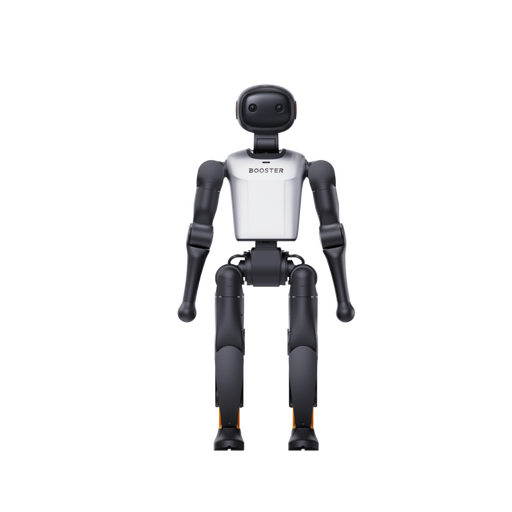
Booster Robotics K1 Geek – humanoid robot
The product description presents this model as an embodied AI development platform, which may be suitable for related development trials.
Listed specifications include 22 degrees of freedom and 48 TOPS AI.
View at Joybuy
No image available
Booster Robotics K1 Edu – humanoid robot
The product description positions this variant for education, research and development. Check that its access options meet your needs.
Listed specifications include 22 degrees of freedom and 117 TOPS AI.
View at Joybuy
 No image available
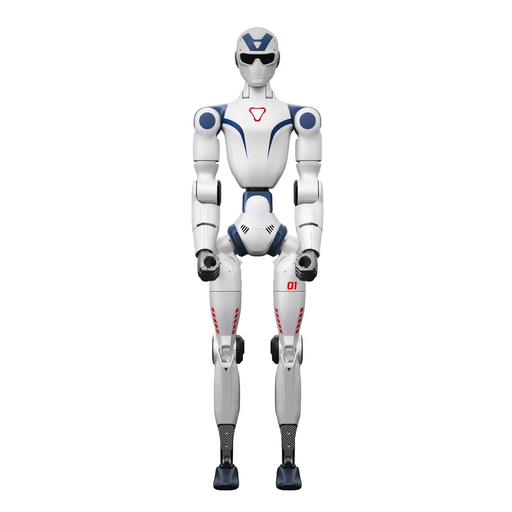
Unitree R1 – humanoid robot
The product description lists a humanoid robot with a language model and Smart Interaction; it does not specify a particular operational task.
Listed specifications include 26 degrees of freedom, two cameras and a blue-and-white colour option.
View at Joybuy
 No image available
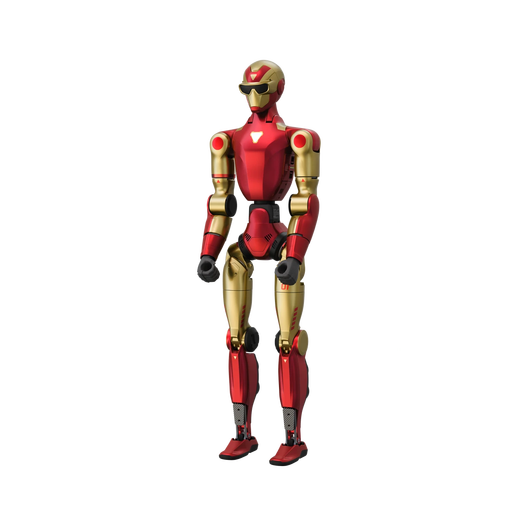
Unitree R1 Air – humanoid robot
The product description lists a humanoid robot with a language model and Smart Interaction. Check that it’s suitable for your specific task before planning to use this variant in an operational trial.
Listed specifications include 20 degrees of freedom, a monocular camera and a red-and-gold colour option.
View at Joybuy
 No image available
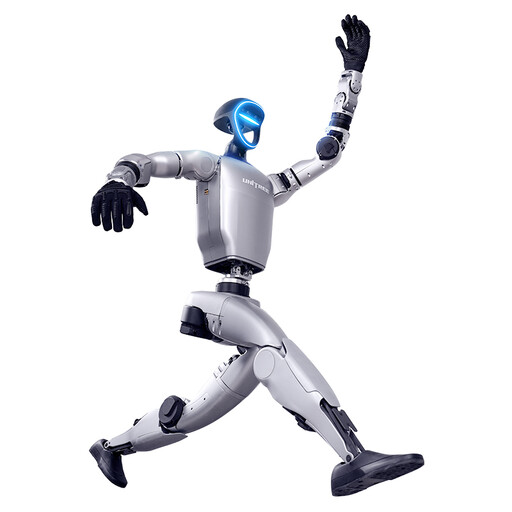
Unitree G1 – humanoid robot
The product description lists force-controlled hands. Before a picking trial, check that this version and its access options are suitable for your task.
SDK/API is not available for this version, according to the product description.
View at Joybuy
Frequently asked questions
Which task should a business test first?
Choose a limited, repeatable process with defined objects, start and end points, and clear rules for when people should intervene. Compare the mobility, manipulation, perception and safety requirements with the configuration on offer. A stated application is not, by itself, proof that the robot can perform your task.
Who sets up an on-site trial and operates the robot?
ECOSPHERE’s rental offer includes two technicians, set-up, operation, dismantling and an introductory session. For a production pilot, agree in writing which tasks the technicians will handle, who will intervene if something goes wrong and what your team will be responsible for.
Which services should I compare when reviewing offers?
Compare offers for the same scope of testing and the same duration. ECOSPHERE lists travel and related costs separately; Terra Robotics offers the H series for purchase or lease, as well as project enquiries, with services varying by package. In particular, check whether the insurance and support cover your actual operational trial.
Is CE marking enough for a trial near employees?
No. Marking does not replace a risk assessment for the specific workplace. The DGUV highlights the possibility of collisions; the Federal Institute for Occupational Safety and Health (BAuA) also states that the effectiveness of protective measures must be checked before first use. Under the legal position explained by the BAuA as at 19 October 2026, the EU Machinery Regulation (EU) 2023/1230 applies to the placing of machinery on the market from 20 January 2027.


