Regular hobby room users
If you spend long periods in the room, it’s worth measuring the humidity and only adding moisture when needed. Make sure you can control the humidity, and keep an eye on cold surfaces.


First, measure the relative humidity: adding moisture makes sense if the air in the room is actually too dry. For regular use, an evaporative humidifier with humidity control is a good benchmark for comparison. With ultrasonic models, changing the water and cleaning the unit are particularly important, while power consumption and placement need more consideration with steam humidifiers. Also keep an eye on cold walls and moisture-sensitive workpieces.
If you spend long periods in the room, it’s worth measuring the humidity and only adding moisture when needed. Make sure you can control the humidity, and keep an eye on cold surfaces.
If you work near sensitive materials or surfaces, check how the water tank and appliance should be cleaned before choosing a type, and whether deposits could be an issue.
For regular use, noise is not the only consideration: power consumption, maintenance and the availability of suitable replacement parts also matter. Check the specifications for the specific model.
A good choice if: you use your hobby room regularly and want to control humidity without visible mist.
Things to weigh up: filters can mean ongoing maintenance and replacement costs; actual performance also depends on the room conditions.
A good choice if: you’re considering a compact misting humidifier and can keep up with regular water changes and cleaning.
Things to weigh up: minerals and micro-organisms in the tank can be released into the room along with the mist.
A good choice if: you prefer this type and can plan for its placement, descaling and power consumption.
Things to weigh up: power consumption and humidity control vary by model.
A good choice if: a thermo-hygrometer doesn’t show persistent dryness, or there are already damp issues on cold surfaces.
Things to weigh up: measuring the room air doesn’t replace checking cool walls and alcoves.
| Priority | What to check when buying | Who it matters to most |
|---|---|---|
| Adjustable humidity | Compare thermo-hygrometers, humidity settings and recommended room size. | If I want to add moisture only when dryness is measurable and keep an eye on cold surfaces, it’s important to be able to control humidity. Around 36% of consumers prioritise humidifying only when needed. |
| Water hygiene and deposits | Check access to the tank, cleaning instructions and the recommended type of water. | Those working near sensitive workpieces want to be able to clean the water system thoroughly and minimise deposits. Around 29% of consumers prioritise water hygiene and protection against deposits. |
| Undisturbed work | Check the noise rating for each operating level, as well as night mode and lighting. | When you need to concentrate, you want the appliance to cause as little disturbance as possible. Noise and operating-level specifications can help you compare models. Around 21% of consumers prioritise quiet operation. |
| Ongoing costs and effort | Compare compatible replacement parts, power consumption and the model’s cleaning requirements. | If you plan to use the appliance regularly, electricity use, replacement parts and maintenance are all part of the buying decision. Around 14% of consumers prioritise ongoing costs and effort. |
The relative humidity in the room doesn’t tell you directly how damp a cold wall surface is. This means damp issues on walls or in alcoves can go unnoticed.
Measure the room air before and during use, and also check cold walls and alcoves.
With ultrasonic models, substances in the tank water can be released into the air. Low-mineral water can reduce the amount of minerals released, but it doesn’t replace regular maintenance.
Compare the type of appliance and its care instructions together, and don’t choose a misting humidifier solely because it runs quietly.
Changing the water and cleaning the appliance are part of regular use.
Filters, limescale pads and electricity use vary by model and how you use it, and all affect ongoing costs and effort.
Check that consumables are compatible and look at the power consumption of the exact model. To work out your own electricity costs, you’ll also need to know your usage hours and tariff.
Depending on the appliance, you may also need replacement filters, limescale pads or extra descaling.
The HU5710/03 is an evaporative humidifier with adjustable humidity control.
The range includes different types of humidifier: the LB 200 is an evaporative model, the LB 45 is ultrasonic and the LB 55 is a warm-mist humidifier.
The Oskar is an evaporative humidifier with a hygrostat and replaceable humidifier filters.
The LW25 Comfort Plus humidifies through cold evaporation over a stack of plates, rather than using humidifier pads.
The S250 adds a steam humidifier with digital humidity control to the range of types available for comparison.
This selection includes humidifiers for different needs, including evaporative models and misting humidifiers. A fan heater with built-in humidification is only worth considering if you also need heat in your hobby room.
 No image available
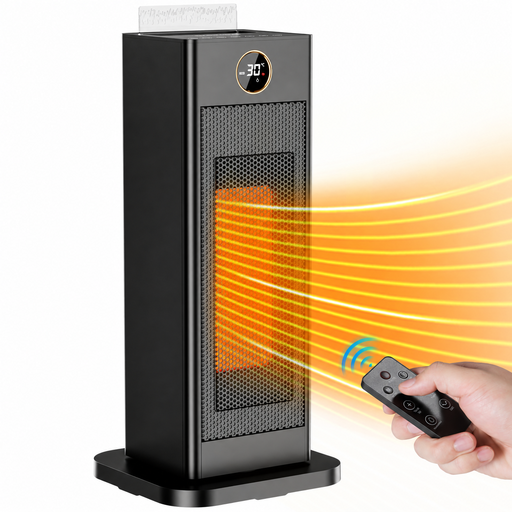
For a hobby room where you need a fan heater as well as humidification.
The product title specifies 90° oscillation and ECO Mode.
 No image available
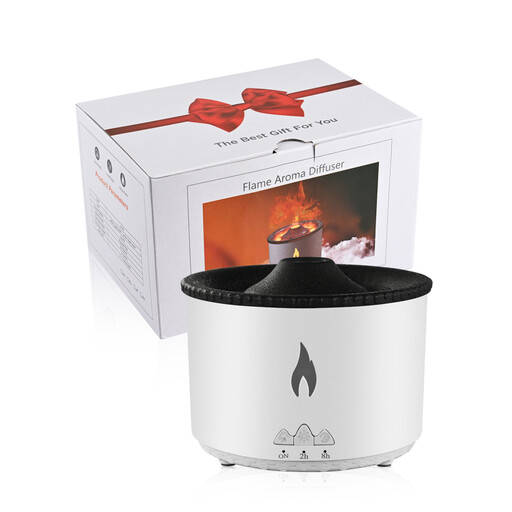
For a hobby room where a humidifier with adjustable mist output could be a good fit.
The product description mentions cool mist and a choice of flame or jellyfish effect.
 No image available
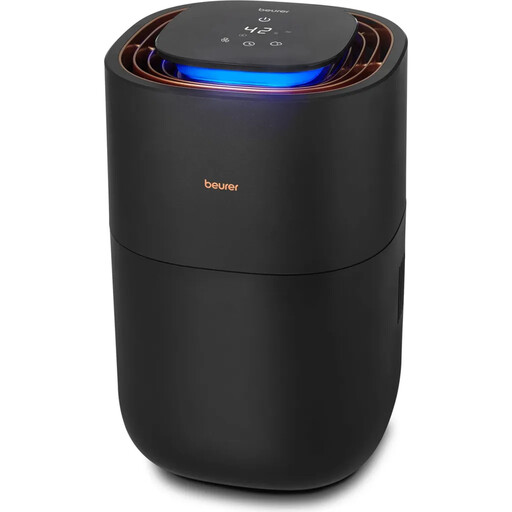
For regular use if you’re looking for an evaporative humidifier with an adjustable target humidity.
Cold evaporation; up to 300 ml/h and coverage of up to 45 m², according to the product specifications. Three humidity settings and an automatic mode are listed. According to the description, the filter should be replaced approximately every six months.
 No image available
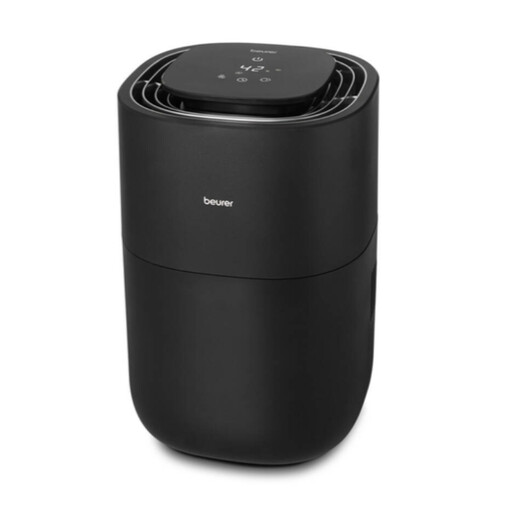
For regular use if you want to set a target humidity on your evaporative humidifier.
Cold evaporation; three target humidity settings of 40%, 50% and 60%, plus an automatic mode, are listed. The product specifications state that it has a 3-litre tank, covers approximately 30 m² and delivers around 200 ml/h. According to the description, the filter should be replaced approximately every six months.
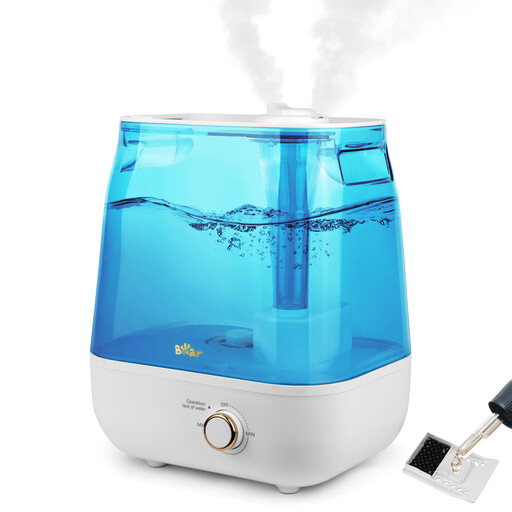 No image available
For longer periods of use if a larger tank and adjustable mist output suit your needs.
The product specifications list a 6-litre tank, up to 35 hours of run time and a noise level of 28 dB. A wide opening for cleaning and automatic shut-off when the water level is low are also mentioned.
Measure the relative humidity with a thermo-hygrometer rather than relying on how the air feels. The Verbraucherzentrale gives 40–60% as a general guide for living spaces. However, cold surfaces in poorly insulated or cool rooms may call for extra caution; this range isn’t a target for every hobby room.
The US Environmental Protection Agency recommends emptying the tank daily, wiping it dry and refilling it with fresh water, and cleaning the appliance every third day. Also follow the instructions for your specific model. With ultrasonic models, low-mineral water can reduce the amount of minerals released; these cleaning intervals are recommendations, not statutory deadlines in Germany.
Check the mains voltage and safety instructions for your specific model. Position the appliance so that escaping moisture doesn’t land directly on workpieces or cold surfaces. For mains-powered appliances covered by the EU Low Voltage Directive, product-specific conformity is relevant. The German Federal Network Agency describes CE marking as a declaration made by the manufacturer under its own responsibility, not as an independent test mark.
Check which replacement filters or limescale pads fit, and look at the power consumption of the exact model. The Verbraucherzentrale notes that your statutory warranty rights against the seller and a voluntary manufacturer’s guarantee are different, so you shouldn’t treat the claims and terms as interchangeable.