
Lieferung heute & morgen

Qualitätsgarantie

Willkommens-Angebote freischalten: KOSTENLOSE Lieferung | Bis zu 80 % RABATT | Kostenlose 30-Tage-JoyPlus-Testphase
App herunterladen
A hyaluronic acid face cream can be a useful addition to your daily skincare routine if your skin feels dry, tight or lacking in moisture. However, choosing the right product involves more than simply looking for “hyaluron” on the front of the packaging. The overall formulation, texture and compatibility with your personal skincare routine are what really matter.
Hyaluronic acid is a moisture-binding ingredient. However, it does not automatically replace a cream that helps to reduce water loss. A hyaluronic acid serum or facial moisturising gel may have a lightweight formula, while dry skin may also need a protective cream. Check whether the product contains not only Sodium Hyaluronate or Hydrolyzed Hyaluronic Acid, but also humectants such as Glycerin, Panthenol, Urea or skin-conditioning lipids.
A gel often feels lightweight and is suitable for normal, combination or oily skin. If your skin is particularly dry, a richer moisturiser with hyaluronic acid may feel more comfortable. Conversely, a very occlusive cream may feel heavy under make-up or in warm weather. The term “plumping facial skincare” therefore says little about how the product will actually feel on your skin.
An anti-ageing face cream may contain additional active ingredients alongside hyaluronic acid, such as retinoids, acids or vitamin C derivatives. These ingredients can be useful in certain routines, but they require careful application. If you have sensitive skin or an already compromised skin barrier, test new products on a small area first.
The INCI list shows which forms of hyaluronic acid are included. Several forms, such as Sodium Hyaluronate, Hydrolyzed Sodium Hyaluronate or Sodium Hyaluronate Crosspolymer, may indicate a formulation with different molecular structures. However, this does not provide a reliable indication of how effective the product will be for your individual skin.
Also pay attention to the other ingredients:
Formulas can change. Before using a product, compare the packaging with the details shown in the product listing.
A hyaluronic acid face cream is generally used as a standalone moisturiser or as the final step in your routine. A serum has a thinner texture and is typically applied after cleansing, and after toner if required. A cream is then applied afterwards. A moisturising gel can work as a lightweight daytime moisturiser or, if your skin is dry, be applied underneath a cream.
Hyaluronic acid products can often be applied to cleansed skin in the morning and evening. A serum can be applied to slightly damp skin and followed by a cream. If you have sensitive skin, it is best to introduce the product gradually: start with a few applications per week, then use it more often depending on how your skin feels.
If you experience burning, persistent redness, itching or swelling, stop using the product. Products containing acids or retinoids can increase sensitivity to light, so an appropriate sunscreen should be part of your daytime routine.
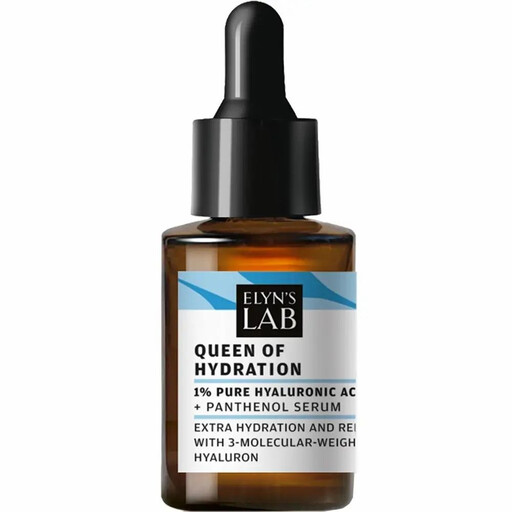
Why this product suits this profile: This serum is a compact addition for anyone looking for lightweight hydration with clearly stated key ingredients.
The INCI list includes Sodium Hyaluronate, Panthenol and Glycerin; no additional acids, fragrances or retinoids are listed in the stated formula.
Lightweight serum texture, 30 ml capacity and application before your preferred face cream.
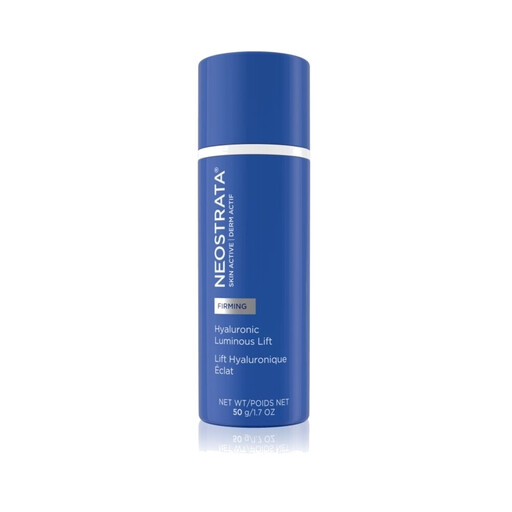
Why this product suits this profile: This gel cream is designed for mature skin and combines three stated forms of hyaluronic acid with Acetyl Glucosamine.
The product information explicitly mentions lactic acid and a gentle exfoliating component. This makes it easier to understand the formulation than a purely hydrating product.
Gel cream texture, three listed hyaluronic acid variants and use on the face, neck and décolletage.
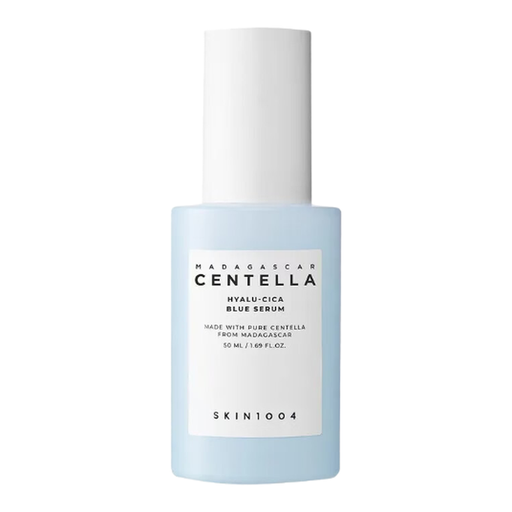
Why this product suits this profile: This serum is aimed at users of Korean skincare who prefer a lightweight combination of Centella Asiatica extract, hyaluronic acid and Panthenol.
Alongside Sodium Hyaluronate, the stated formula contains Ceramide NP and Panthenol. The lightweight serum format can be combined with a separate cream.
50 ml capacity, lightweight gel texture and several listed forms of hyaluronic acid.
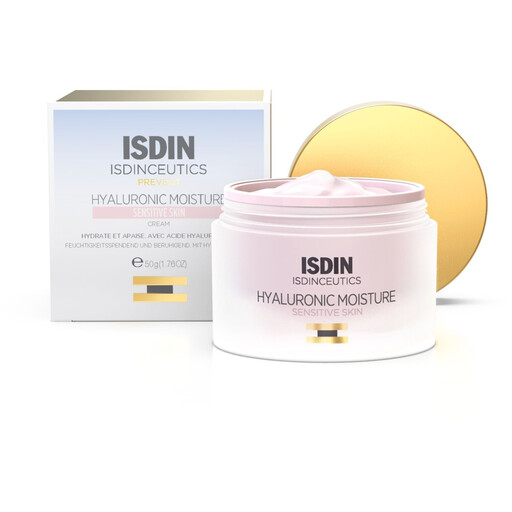
Why this product suits this profile: According to the product description, this cream is intended for sensitive skin prone to redness and can be used in the morning and evening.
The product page lists Sodium Hyaluronate, Hydrolyzed Hyaluronic Acid, Panthenol and Niacinamide. Fragrance is also listed, so a skin compatibility test remains advisable.
50 g capacity, lightweight cream and refillable Eco-Refill format according to the product information.
We have put together a complete, regularly updated list of products that fully meet these strict selection criteria and the safety regulations applicable in the EU.
That depends on the formulation. A lightweight gel or serum can add moisture, but it does not always create a sufficient protective layer. For facial skincare for dry skin, a cream containing Glycerin, lipids, ceramides or other conditioning ingredients is often more suitable. If your skin feels very tight, combining a serum and cream may be helpful.
Yes. Apply a thin layer of serum after cleansing, then use a cream afterwards. This combines the serum’s lightweight texture with a final moisturising step. New combinations should initially be introduced separately and with time between applications, making it easier to identify any potential reactions.
The best-before date, batch number and period-after-opening symbol on the packaging are the key indicators. Many products also state how long they can be used after opening. Store the cream or gel somewhere dry and cool, protected from direct sunlight. If the smell, colour or consistency changes, stop using the product.