
Lieferung heute & morgen

Qualitätsgarantie

Willkommens-Angebote freischalten: KOSTENLOSE Lieferung | Bis zu 80 % RABATT | Kostenlose 30-Tage-JoyPlus-Testphase
App herunterladen
A feeling of tightness after cleansing, dry patches despite using moisturiser or a dull complexion: hyaluronic acid facial care can be a useful addition to your daily hydration routine. The range includes everything from classic hyaluronic acid serum and hyaluronic acid cream to a hyaluronic acid face mist for use on the go.
However, a high concentration of active ingredients alone is not a reliable selection criterion. What matters is the overall formulation, how the product is used and whether it suits your skin type and daily routine.
Hyaluronic acid, also known as Sodium Hyaluronate, is one of the ingredients that bind moisture. Facial care products containing several forms can offer different textures and application properties. However, the number of hyaluronic acid variants alone says nothing about individual tolerance or how the product feels on your skin.
If you focus only on terms such as “intensive”, “glow” or “anti-ageing”, you may overlook alcohol, fragrances or a base that is either too rich or too light for your skin.
A facial moisturising mist is practical in the office, when travelling or over make-up. Water-based products can feel pleasantly refreshing, but dry skin often needs a cream or another product afterwards to complete its moisturising care. Simply reapplying the mist is therefore not sufficient for every routine.
PDRN hyaluronic acid combines PDRN, also known as Sodium DNA, with hyaluronic acid. This is an interesting formulation feature, but it is not blanket proof of a medical or therapeutic effect. Those with sensitive skin should check the complete INCI list and the manufacturer’s instructions, and carry out a patch test beforehand.
A hyaluronic acid cream is often the final step. With very lightweight skincare, a serum may also be sufficient, provided your skin continues to feel comfortable.
Product packaging may list Hyaluronic Acid, Sodium Hyaluronate, hydrolysed hyaluronic acid or cross-linked variants. These terms describe different forms of the ingredient. For your purchasing decision, humectants such as glycerin, soothing ingredients such as panthenol and barrier-supporting lipids such as ceramides are also relevant.
With a hyaluronic acid toner or lotion, check whether a cream is intended to follow. A toner is usually a preparatory skincare step and is not necessarily a complete replacement for a final moisturiser.
Cosmetic products intended for the German market should display a clear INCI declaration, the fill volume and information about shelf life or the period after opening. The information on the packaging is authoritative, as formulations may be updated.
When using mists, keep your eyes closed and observe the recommended distance. With serums and creams, it is advisable to carry out a small patch test before applying the product over a larger area for the first time. If redness, itching or irritation occurs, discontinue use.
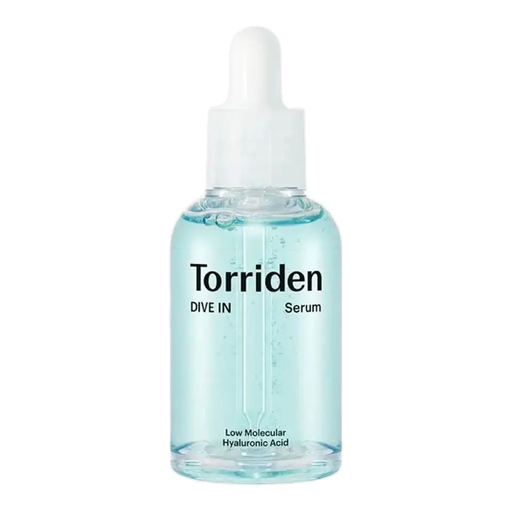
Why this product suits the profile: The serum contains five specified forms of hyaluronic acid, as well as panthenol, Ceramide NP and beta-glucan.
The product details specify the forms included and state that the product is fragrance-free. Nevertheless, the complete packaging information remains authoritative.
50ml serum, five hyaluronic acid variants, Ceramide NP and a fragrance-free product formulation.
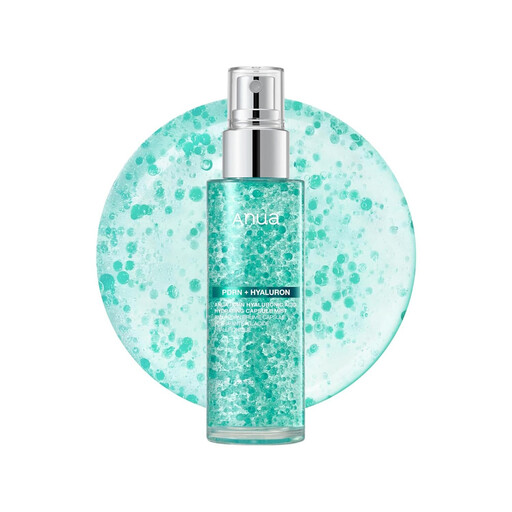
Why this product suits the profile: The 100ml mist is designed for use as a toner, setting spray or refreshing mist in the office, after exercise and when travelling.
The product description specifies a fine mist texture, an alcohol-free and fragrance-free formulation, as well as recommended use over make-up.
100ml content, fine mist, PDRN, hyaluronic acid and hydrolysed collagen according to the product description.
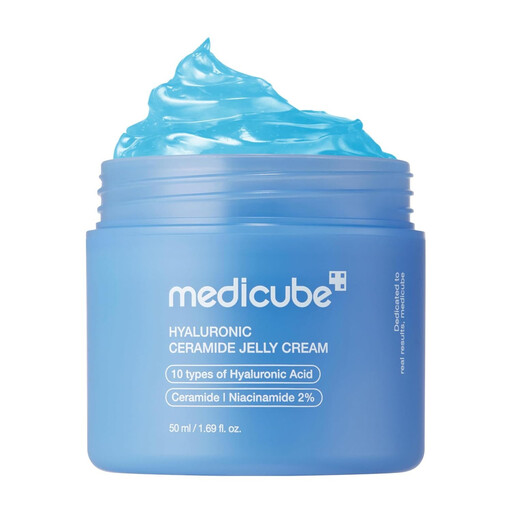
Why this product suits the profile: The lightweight gel cream is described for use as a day cream under make-up, a multi-layered mask or an overnight treatment.
In addition to listing ten forms of hyaluronic acid, the product description names several ceramides, cholesterol and phytosphingosine.
50ml water-gel texture, ten forms of hyaluronic acid and a ceramide complex according to the manufacturer’s information.
We have put together a complete, regularly updated list of products that fully meet these strict selection criteria and the safety regulations applicable in the EU.
After cleansing and, if appropriate, using a toner, apply a small amount to your face and neck. You can then follow with a cream. During the day, the final skincare step should include sun protection. The exact order depends on the usage instructions for the individual product.
Many formulations are labelled as suitable for sensitive skin, but there is no blanket guarantee of compatibility. Test new products on a small area of skin first and check the INCI list for fragrances, alcohol and any known personal triggers. If irritation persists, it is advisable to seek medical advice.
The best-before date and the PAO symbol on the packaging, such as “12M”, are the key indicators. Shelf life can be shortened by heat, direct sunlight or unhygienic dispensing. Mists and creams should therefore be stored according to the manufacturer’s instructions and no longer used if their colour, smell or texture changes.