
Lieferung heute & morgen

Qualitätsgarantie

Willkommens-Angebote freischalten: KOSTENLOSE Lieferung | Bis zu 80 % RABATT | Kostenlose 30-Tage-JoyPlus-Testphase
App herunterladen
A hyaluronic acid mask promises quick, intensive moisture for a plump, radiant complexion. However, the market is flooded with products whose promises often outweigh their actual effects. Many users invest in masks that fail to deliver the desired results. To avoid disappointment, it's crucial to understand the most common purchasing pitfalls and know which objective criteria truly matter.
This guide will help you distinguish marketing hype from genuine product features and make an informed decision for your skincare.
The selection can be overwhelming, and often, well-intentioned purchases miss the mark. Watch out for these three common problems:
To find a mask that meets your needs, you should examine the following technical parameters.
The deciding factor is the molecular weight of the hyaluronic acid used. It determines how deeply the active ingredient can penetrate the skin.
The material transports the active ingredients and ensures they are delivered effectively to the skin.
A good hyaluronic acid mask is often a multi-tasker. Look for additional ingredients that suit your skin type.
Here are some product recommendations tailored to specific needs and user profiles.
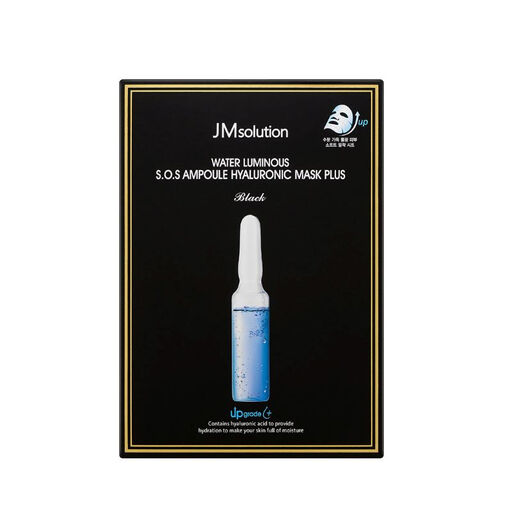
Why This Fits Their Persona: Ideal for users who want to easily supplement their skincare routine with a regular moisture boost. The bulk pack offers excellent value for weekly use.
This mask bypasses the pitfall of an ineffective carrier material, as each sheet is saturated with a generous 30 ml of essence. This ensures the skin has ample time to absorb the moisture before the sheet dries out.
High concentration of essence for intense hydration. Also contains panthenol and allantoin to soothe the skin.
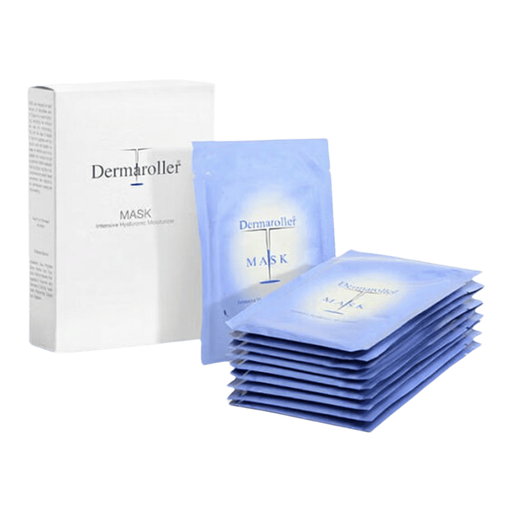
Why This Fits Their Persona: Suitable for users with mature skin who want to not only hydrate but also actively address signs of aging like fine lines and loss of elasticity.
This product avoids the 'hyaluron-only' fallacy by enhancing its formula with the peptide Matrixyl (Palmitoyl Pentapeptide-3). This provides a targeted benefit for mature skin that goes beyond simple hydration.
Combines hyaluronic acid with peptides to support skin elasticity. The silk mask material ensures a great fit and effective ingredient delivery.
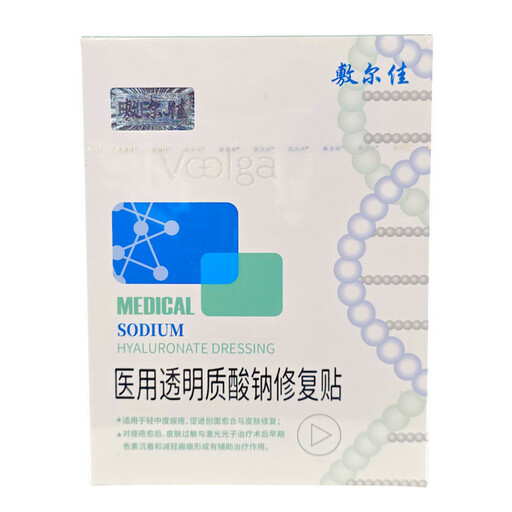
Why This Fits Their Persona: Specifically for users with sensitive, allergy-prone, or irritated skin, including for post-procedure care. The focus is clearly on soothing, repair, and low-irritant hydration.
This mask avoids the trap of overloaded formulas. With a very short and targeted ingredient list focused on sodium hyaluronate, it minimises the risk of irritation and serves a clearly defined purpose.
Minimalist formula focused on repair and soothing. Suitable for use on irritated skin and after cosmetic treatments.
We have compiled a complete, up-to-date list of products that fully meet these strict selection criteria and comply with current regulations.
1. How often should you use a hyaluronic acid mask? The frequency of use depends on your skin condition and the specific product. As a general guideline, using a mask 1 to 3 times a week is recommended to keep the skin continuously hydrated. For very dry skin or in preparation for a special event, a mask can be used more frequently as an intensive treatment. Always follow the manufacturer's recommendations.
2. Should you wash off the serum after using a sheet mask? No, the remaining serum should not be washed off. It contains the mask's valuable active ingredients. Gently massage or pat the residue into the skin of your face, neck, and décolletage until it is fully absorbed. Afterwards, apply your usual moisturizer to seal in the hydration.
3. Can a hyaluronic acid mask be used on sensitive skin? Yes, hyaluronic acid is generally very well-tolerated and suitable for sensitive skin. However, choose a soothing mask that is free of potential irritants like fragrance, alcohol, and essential oils. Look for calming additives such as panthenol, allantoin, or madecassoside. It is always advisable to patch-test a new product on a small area of skin, such as on the forearm or behind the ear, before the first full application.