
Lieferung heute & morgen

Qualitätsgarantie

Willkommens-Angebote freischalten: KOSTENLOSE Lieferung | Bis zu 80 % RABATT | Kostenlose 30-Tage-JoyPlus-Testphase
App herunterladen
Hyaluronic acid is a cornerstone of modern skincare. As a key active ingredient for intense hydration, it promises to plump up dry skin and deliver a fresh, dewy complexion. Yet, the market is saturated with serums, creams, and ampoules whose marketing claims often create more confusion than clarity. Many users invest in products that fail to deliver the desired results or, even worse, have the opposite effect.
As your Joybuy Product Recommendation Officer, I'm here to help you identify the common pitfalls and make an informed decision. Before you purchase your next moisturiser, you should be aware of the following points.
Choosing the right product depends less on price or flashy marketing slogans and more on the quality of the formulation. Here are three common marketing myths that can lead to disappointment:
To ensure your next hyaluronic acid product delivers on its promises, check these three core parameters. They are the key to effective hydration.
A high-quality formulation should ideally contain a combination of different molecular sizes of hyaluronic acid. Look for terms like "multi-molecular hyaluronic acid" or a list of various hyaluronic forms in the INCI list (e.g., Sodium Hyaluronate, Hydrolyzed Hyaluronic Acid). This combination allows for hydration on multiple levels of the skin—for immediate smoothing on the surface and long-lasting moisture deep within.
A good hyaluronic product is more than just water and hyaluronic acid. Its effectiveness is significantly determined by its supporting ingredients. Look for formulations that offer additional benefits:
Choosing the right format depends on your skin type and your existing skincare routine:
Based on the criteria above, we have identified some products that are well-suited for different needs and skin types.
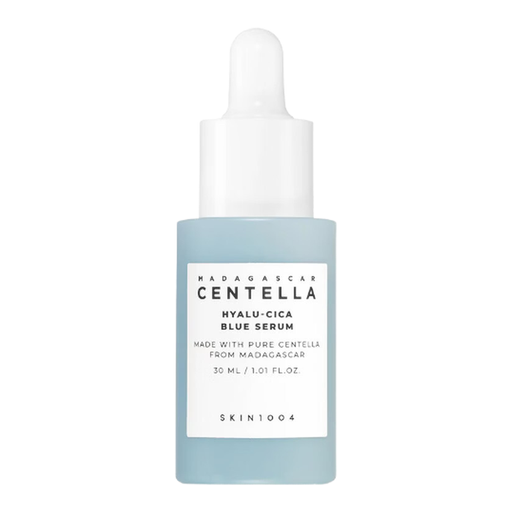
Why This Fits Their Persona: Ideal for users seeking a straightforward yet effective solution. The formula combines hydration with soothing properties, making it perfect for sensitive or redness-prone skin looking for a gentle introduction to active ingredients.
The "Hyalu-Cica" formula relies on a combination of 5 types of hyaluronic acid and Centella Asiatica. It doesn't just depend on hyaluronic acid alone but uses a powerful supporting ingredient to soothe and strengthen the skin barrier.
Hydrates and calms redness simultaneously. The lightweight gel texture absorbs quickly without stickiness and also contains Niacinamide to brighten the complexion.
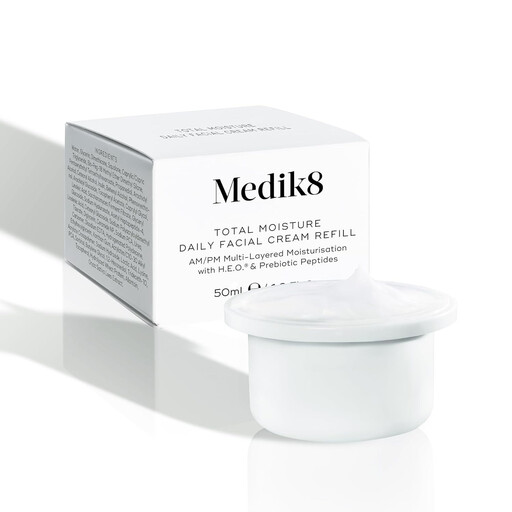
Why This Fits Their Persona: For users seeking a high-performance day and night cream that provides long-lasting moisture while actively supporting skin health and the skin barrier. The refill system also appeals to eco-conscious consumers.
This cream specifically addresses the molecule and supporting ingredient traps. It contains multi-weight hyaluronic acid, plus ceramides and a prebiotic peptide to effectively lock moisture into the skin.
According to Medik8, the cream is clinically proven to provide 100 hours of hydration. The formula is non-comedogenic and works well as a base under makeup.
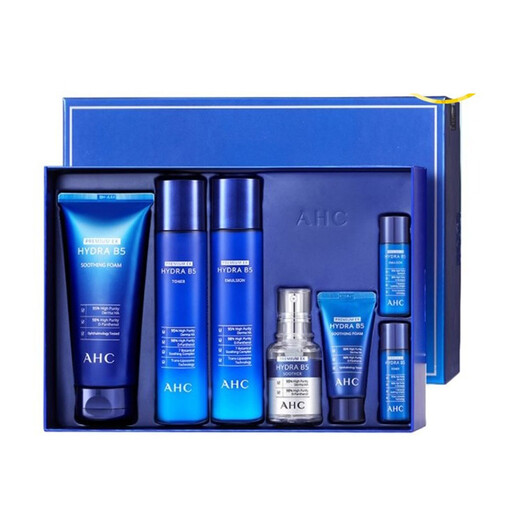
Why This Fits Their Persona: Perfect for skincare enthusiasts who prefer a complete, coordinated routine. This set offers an all-in-one solution from cleansing to moisturising, designed for hydration and repair.
The set demonstrates the principle of "layering." Instead of relying on a single product, moisture is built up and sealed in stages. The combination of hyaluronic acid with Vitamin B5 (Panthenol) creates a powerful synergy.
Provides a complete 7-step routine for maximum hydration. The lightweight textures layer well without feeling heavy, and the formulas are enriched with soothing botanical extracts.
We have compiled a complete, real-time list of products that fully satisfy these strict selection criteria and UK safety regulations.
Yes, hyaluronic acid is a very well-tolerated active ingredient and can be easily integrated into your daily skincare routine, both morning and night. It is a fundamental component for well-hydrated skin.
A hyaluronic serum should always be applied to slightly damp skin, for example, right after cleansing or after applying a facial mist or toner. Hyaluronic acid molecules bind to water. When applied to damp skin, they bind to that moisture and draw it into the skin. If applied to dry skin in a very dry environment, they could theoretically pull moisture from the deeper layers of your skin.
Sodium Hyaluronate is the salt form of hyaluronic acid. It has a smaller molecular size than pure hyaluronic acid, which gives it a better ability to penetrate the skin. It is also more stable in cosmetic formulations. Most skincare products use Sodium Hyaluronate or a mixture of both forms.