
Lieferung heute & morgen

Qualitätsgarantie

Willkommens-Angebote freischalten: KOSTENLOSE Lieferung | Bis zu 80 % RABATT | Kostenlose 30-Tage-JoyPlus-Testphase
App herunterladen
A hyaluronic acid serum can be a useful addition to your skincare routine if your skin feels dry, tight or lacking in moisture. However, there is a huge choice available. Terms such as “multi-molecule”, “barrier repair” or “anti-ageing” may sound impressive, but on their own they reveal little about how suitable a formulation is for everyday use.
If you are looking for a facial hyaluronic serum, you should therefore consider more than just the active ingredients or packaging design. The complete INCI list, texture, skin compatibility and whether the serum fits into your existing routine are all important.
A statement such as “1% hyaluronic acid” may initially seem clear-cut. However, it does not automatically tell you which hyaluronic acid compounds are included or how the overall formulation is structured. A hyaluronic acid serum may, for example, combine Sodium Hyaluronate, Hydrolyzed Hyaluronic Acid or cross-linked forms.
The percentage should therefore always be considered alongside the INCI list and the other humectants. Glycerin, Panthenol, Betaine or Saccharide Isomerate can also contribute to the moisturising feel of a product.
A moisturising serum may generally be suitable for many skin types. However, other ingredients also matter when you have sensitive skin. Fragrance, essential oils, denatured alcohol or a large number of botanical extracts may cause problems for some individuals.
It is therefore worth checking the current packaging information before buying. Product details and formulations can change. If your skin is reactive, a patch test on a small area of skin is also recommended.
Hyaluronic acid binds water at the skin’s surface. If you apply a hydrating serum but do not follow it with a cream, your skin may still feel dry depending on the environment. Finishing with a moisturiser is particularly useful in dry indoor air or during winter.
A serum does not automatically replace your entire facial skincare routine. During the daytime, you should also apply sun protection with a suitable SPF.
Different forms of hyaluronic acid may target different areas of the skin’s surface. Terms such as low molecular weight, hydrolysed, Sodium Hyaluronate or Sodium Hyaluronate Crosspolymer can be identified in the INCI list. However, they are not, on their own, proof of a particular cosmetic effect.
For a serum for dry skin, the combination with Glycerin, Panthenol, Betaine or Beta-Glucan is also worth considering. These ingredients can complement the formulation as part of a moisturising skincare routine.
If you are specifically looking for a serum for skin barrier care, you may wish to look for Panthenol, Ceramides, Cholesterol, Lecithin or Beta-Glucan. If you have sensitive skin, the ingredient list should ideally be relatively straightforward, so that new products can be introduced gradually.
Niacinamide, Adenosine and botanical extracts are often used in anti-ageing serums or brightening skincare products. However, suitability depends on your individual skin and your routine as a whole. Cosmetic products are not intended to treat skin conditions.
A watery or gel-like texture is usually absorbed more easily and can be layered under a cream or sun protection. With ampoules, individual portions are practical for a limited course of use or when travelling. However, they require more packaging than a bottle.
Pay attention to the fill volume: 20, 30, 50 or 100 ml can only be compared meaningfully when the recommended amount per application is also taken into account. A serum should be applied after cleansing and followed with a suitable moisturiser.
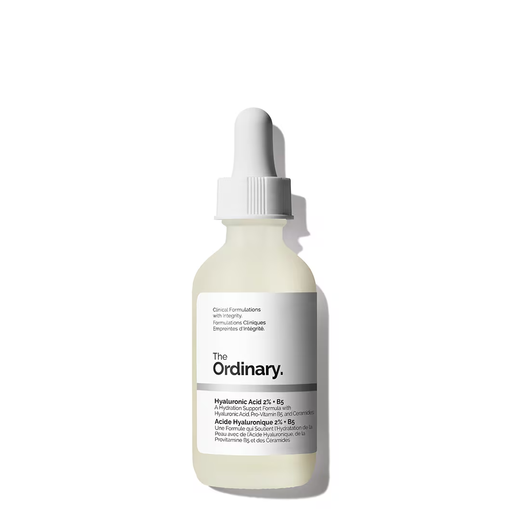
Why this product suits this profile: The 60ml size is ideal for anyone who wants to incorporate a straightforward moisturising serum into their routine on a regular basis.
The product description lists five forms of hyaluronic acid along with Provitamin B5, and is fragrance-free.
60ml content, several types of hyaluronic acid, Panthenol and ceramide-related lipids according to the stated INCI list.
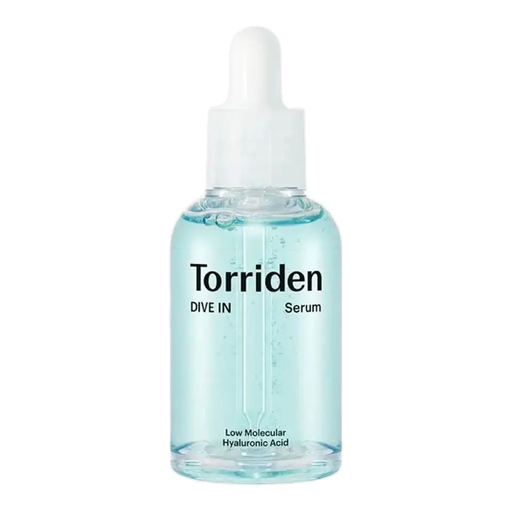
Why this product suits this profile: This Korean skincare serum combines five stated types of hyaluronic acid with a lightweight texture for everyday use.
The selection can be checked against the listed INCI ingredients, including Panthenol, Ceramide NP and Beta-Glucan; the product is described as fragrance-free.
50ml content, five forms of hyaluronic acid, Panthenol and Ceramides according to the product information; vegan and listed as fragrance-free.
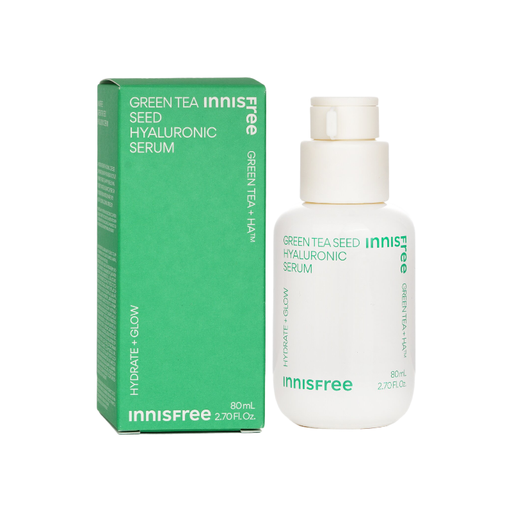
Why this product suits this profile: The larger size is practical if you want to care for your face and neck both morning and evening.
The product description mentions a lightweight gel texture and several forms of hyaluronic acid. Check the current packaging INCI before buying.
80ml content plus Panthenol, Allantoin and hyaluronic acid compounds according to the product description.
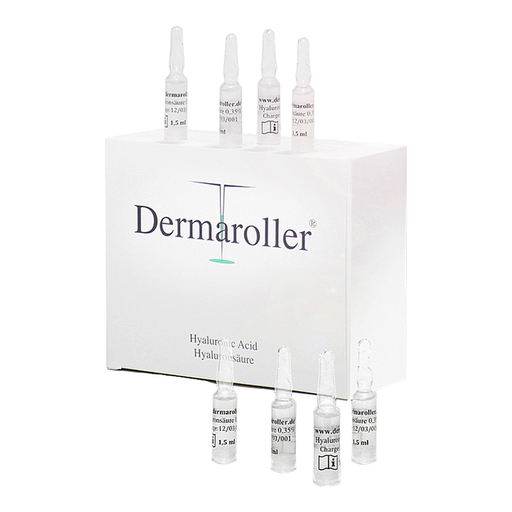
Why this product suits this profile: Individual ampoules make dosing easier and are suitable for a four-week skincare routine or for travelling.
Individual portions reduce the need to repeatedly open a large bottle. However, the formulation reportedly contains Alcohol Denat. and Retinol, which should be taken into account if you have sensitive skin.
30 ampoules containing 1.5 ml each, 0.35% hyaluronic acid according to the product information, and convenient portioned application.
We have put together a complete, regularly updated list of products that fully meet these strict selection criteria and the safety regulations applicable in the EU.
When introducing new products, avoid adding several active formulations at the same time. If you experience burning, redness, itching or any other persistent reaction, stop using the product and seek medical advice if necessary.
Many products are designed for use in the morning and evening. Always follow the instructions on the packaging. If you have sensitive skin, it may be sensible to start slowly, using the product just a few times a week.
This depends on the individual product. Information such as “12 months after opening” or a specific best-before date can be found on the packaging or bottle. Store the serum in a cool, dry place away from direct sunlight.
The price depends on factors including the fill volume, packaging, ingredients and brand. Compare the price per millilitre while also checking the INCI list. A larger bottle is not automatically more economical if its texture or skin compatibility does not suit your routine.