
Lieferung heute & morgen

Qualitätsgarantie

Willkommens-Angebote freischalten: KOSTENLOSE Lieferung | Bis zu 80 % RABATT | Kostenlose 30-Tage-JoyPlus-Testphase
App herunterladen
A hyaluronic acid serum can be a straightforward addition to your daily facial skincare routine when your skin feels dry, tight or lacking in moisture. However, there is a wide range of products available: terms such as “multi-layer hydration”, “100% hyaluronic acid” or “anti-ageing serum” may sound impressive, but on their own they reveal little about how suitable a formula is for everyday use.
The complete ingredients list, pack size, application instructions and suitability for your own skin type are the key factors. The following selection from the Joybuy Product Recommendation Officer provides an objective overview of these points.
A claim such as “1%” or “2%” does not always refer to the same form of hyaluronic acid. A hyaluronic acid serum may contain Sodium Hyaluronate, Hydrolyzed Hyaluronic Acid or cross-polymers, for example. Their properties within the formula differ. In addition, a single percentage cannot reliably predict how a product will work for you personally or how well you will tolerate it.
A facial serum with hyaluronic acid may generally have a lightweight formula, but fragrances, alcohol or numerous plant extracts may still be undesirable for some people. If you are looking for a serum for sensitive skin, pay particular attention to parfum, essential oils and any known personal triggers. Describing a product as “gentle” is no substitute for a patch test.
Hyaluronic acid binds water in the upper layer of the skin. If you apply a hydrating serum and do not follow it with a cream or emulsion, your skin may still feel dry, depending on the environment. A final moisturising product is therefore usually a useful part of a complete skincare routine. During the day, sun protection should also be part of your routine.
Look at the specific INCI list rather than just the front of the packaging. Sodium Hyaluronate, Hydrolyzed Hyaluronic Acid and Hyaluronic Acid indicate different forms of humectant. Additional ingredients can affect how the product feels on your skin and its overall skincare focus:
Cosmetic claims such as “soothing”, “smoothing” or “for plumper-looking skin” should be understood as product positioning. They are not medical claims.
A serum for dry skin should fit easily into your existing routine. Water-based or gel textures are often suitable for people who do not want a heavy layer beneath their day cream or sun protection. Richer formulas may feel more comfortable on very dry skin.
The relevant manufacturer's instructions should always be followed. The serum is often applied after cleansing to slightly damp skin and then followed with a cream. If you have sensitive skin, start with a small amount and carry out a patch test on an inconspicuous area before using a new product.
30 ml is a standard size for a facial serum used daily. 50 to 100 ml may offer better value if the product is used regularly. Single-use ampoules, as supplied with the Dermaroller product, provide measured applications and are practical for a limited-time routine or when travelling.
Before buying, also check the expiry date, batch number, storage instructions and responsible person in the EU. If there are any differences between the packaging and online information, the ingredients list on the packaging takes precedence.
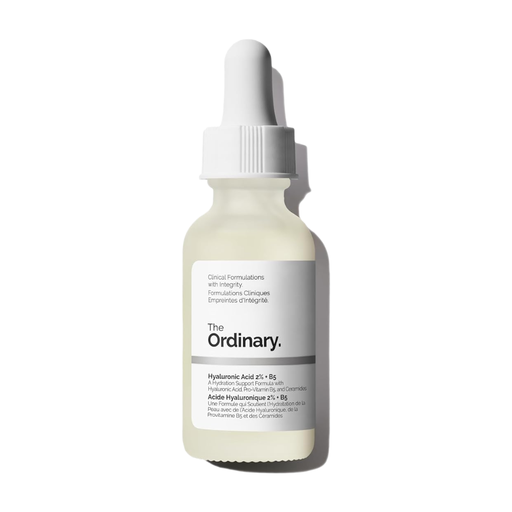
Why this product suits this profile: The 30 ml size is ideal for anyone who wants to try a hyaluronic acid serum in a manageable quantity first. The formula contains several forms of hyaluronic acid and panthenol.
The ingredients list names specific forms of hyaluronic acid as well as panthenol and, according to the product information, contains no parfum.
30 ml contents; several forms of hyaluronic acid; panthenol and glycerin in the INCI list.
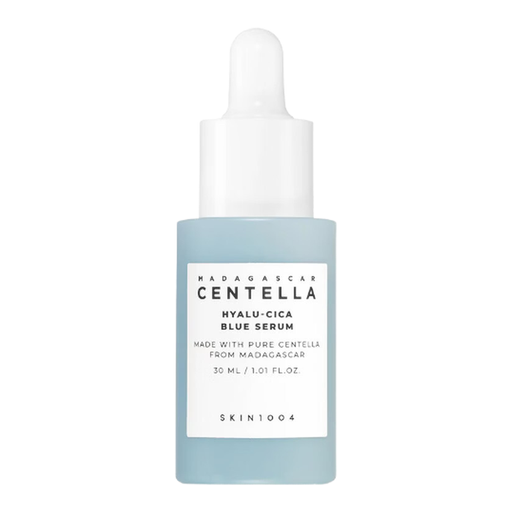
Why this product suits this profile: This Korean hyaluronic acid serum combines Centella Asiatica ingredients with several forms of hyaluronic acid. Ceramide NP and panthenol complement the formula, which is designed to support hydration and the skin barrier.
Rather than relying solely on a percentage claim, the product description identifies several specific forms of hyaluronic acid and complementary ingredients.
30 ml; gel texture according to the product information; hyaluronic acid, Centella Asiatica, niacinamide, panthenol and Ceramide NP.
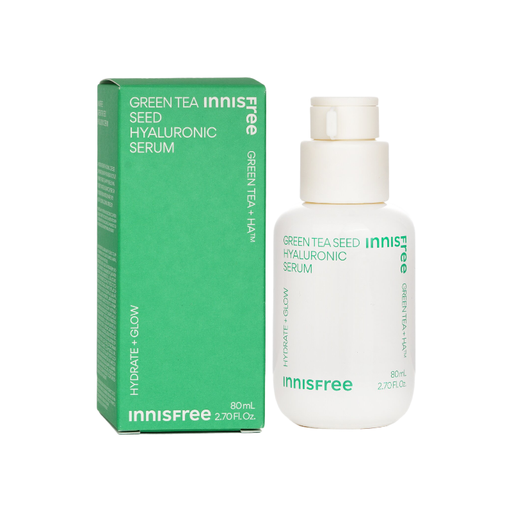
Why this product suits this profile: With 80 ml, this hydrating serum is designed for regular use. The formula lists several forms of hyaluronic acid as well as panthenol, squalane and green tea ingredients.
The larger quantity is combined with a detailed INCI list. This makes it easier to compare the formula with your own skincare routine.
80 ml contents; several forms of hyaluronic acid; panthenol, squalane and green tea extract according to the product information.
We have put together a complete, regularly updated list of products that fully meet these strict selection criteria and the safety regulations applicable in the EU.
If you have a serum for sensitive skin, begin by using it at longer intervals. Products containing additional active ingredients such as azelaic acid, retinol or fragrances require particular care if you are already using several active products. Stop using the product if persistent redness, stinging or itching occurs.
Many products are intended for daily use in the morning and evening. The specific manufacturer's instructions and your skin's response are the key factors. If your skin barrier is sensitive, it is advisable to introduce the product gradually.
A cream is a useful part of many routines because it complements the hydration provided by the serum and improves how your skin feels. Especially if you have dry skin, a final moisturiser may feel more comfortable than using a serum on its own.
The expiry date and the open-jar symbol showing the period of use after opening on the packaging are the decisive factors. Many products state 12 months after opening, while others may provide different information. The serum should be stored closed, in a dry place and away from direct sunlight.