
Lieferung heute & morgen

Qualitätsgarantie

Willkommens-Angebote freischalten: KOSTENLOSE Lieferung | Bis zu 80 % RABATT | Kostenlose 30-Tage-JoyPlus-Testphase
App herunterladen
A hyaluronic acid serum can be a useful part of your daily facial skincare routine if your skin feels dry, tight or rough on the surface. However, the choice can be overwhelming: terms such as “plumping”, “5D hyaluronic acid” or “intense hydration” alone reveal little about whether a product is suitable for your skin.
As a Joybuy Product Recommendation Officer, I therefore filter out the most important product features and common purchasing misconceptions. This makes it easier to choose a hyaluronic acid serum based on your skin type, how you intend to use it and its formulation.
The concentration of hyaluronic acid is not the only relevant factor. It is also important to consider which forms are included, such as Sodium Hyaluronate, hydrolysed hyaluronic acid or Sodium Hyaluronate Crosspolymer. Different molecular sizes are often combined in formulations to target the skin’s surface and different levels of hydration.
A single percentage therefore does not allow a complete comparison between products. Other humectants, such as glycerin, panthenol or betaine, also affect how the product feels on the skin.
Hyaluronic acid binds water at the surface of the skin. If you apply a serum without following it with a moisturiser, your skin may still feel dry depending on the surrounding conditions. Intensive moisturising therefore usually involves several steps: cleansing, serum and then a cream or emulsion.
Finishing with a moisturiser is particularly useful in heated indoor spaces or in dry winter air if your skin is prone to feelings of tightness.
A serum for sensitive skin should not be chosen solely based on the marketing claim “soothing”. Check the INCI list for parfum, fragrance allergens that must be declared and alcohol. These ingredients are not inherently problematic, but they can affect individual tolerance if your skin is reactive.
When trying a new product, it is advisable to carry out a small patch test on an unobtrusive area of skin first. If redness, burning or itching persists, stop using the product.
Look for several hyaluronic acid derivatives and a balanced base formula. Glycerin, panthenol, urea or betaine can complement the formulation’s hydrating properties. A serum containing several forms of hyaluronic acid is not automatically more suitable for every skin type, but it does offer a clear formulation rationale.
If you want to strengthen the skin barrier, you can also look for ceramides, cholesterol or skin-soothing ingredients. These are not a substitute for medical treatment, but they can form part of a simple skincare selection.
Watery serums are often suitable for people who prefer a lightweight layer under sun protection or make-up. Gel creams are more practical if you want to reduce the number of additional skincare steps. For very dry skin, applying a serum underneath a richer cream may be beneficial.
Apply two to three drops, or the amount recommended on the packaging, to cleansed skin. Follow with a moisturiser. In the morning, sunscreen should be the final step in your routine.
Check the following before buying:
Ampoules such as the Dermaroller Hyaluron Serum can allow portion-controlled application, but glass requires careful handling. If a product contains AHA or fragrance, people with sensitive skin should read the instructions particularly carefully.
The following recommendations match specific products to different usage profiles. The selection is based on the listed ingredients, texture, fill size and intended use.
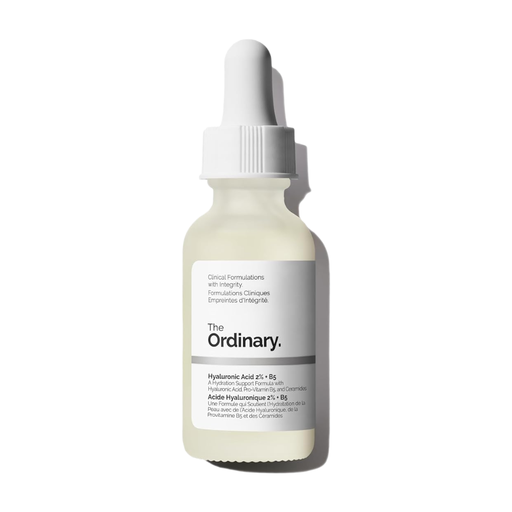
Why this product suits the profile: The 30ml size and application of just a few drops make it suitable for people who want to incorporate a straightforward hyaluronic acid serum into their existing routine.
The INCI list names several forms of hyaluronic acid, as well as panthenol and glycerin. This makes it possible to assess the formulation more objectively than by relying on a single marketing term.
30ml contents, a fragrance-free formulation according to the product details and five named forms of hyaluronic acid, including Crosspolymer.
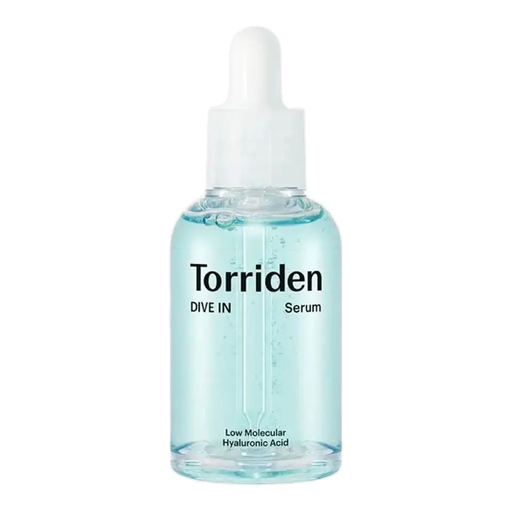
Why this product suits the profile: This Korean formulation is aimed at users who want to combine several types of hyaluronic acid with ingredients relevant to the skin barrier.
The product description names five forms of hyaluronic acid, as well as panthenol, ceramide NP, cholesterol and beta-glucan. This combination is more meaningful than the statement “Low Molecular” alone.
50ml contents, a fragrance-free formulation according to the product details and use in the morning and evening after cleansing.
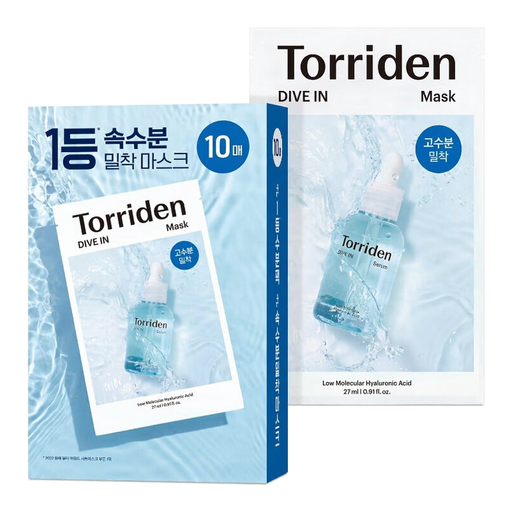
Why this product suits the profile: The ten individually packaged sheet masks are suitable for occasional hydration boosts, travel or days when a traditional serum routine is not enough.
The single-use portions limit the time the product is exposed after opening. The stated application time of 10 to 15 minutes makes planned use easier.
10 cellulose sheet masks with panthenol and allantoin; dermatologically tested for non-irritation according to the product details.
We have compiled a complete, regularly updated list of products that fully meet these strict selection criteria and the safety regulations applicable in the EU.
An anti-ageing serum can make the skin appear smoother through hydration. However, claims relating to wrinkles, collagen or “rejuvenation” should always be regarded as product-specific manufacturer information and are not a substitute for medical advice.
Hyaluronic acid is used in cosmetic formulations as a moisture-binding ingredient. For dry skin, combining it with a moisturiser is often beneficial, as a serum alone does not provide lasting protection against moisture loss at the skin’s surface.
Many products are intended for daily use in the morning and evening. However, the instructions on the relevant packaging are decisive. If you have sensitive skin, you should initially use the product less frequently to monitor your individual tolerance.
This depends on the formulation and packaging. Check the expiry date and the open-jar symbol showing the stated period of use. Pipettes, spray heads and jars should be kept clean and closed immediately after use.